You own the land. Now you want to build. But what is the real cost to build a house if you already own the land?
That’s the question most people can’t get a straight answer to and it leads to blown budgets and stressful surprises.
I’ve been through enough construction projects to know where the money goes and where it quietly disappears.
This article walks you through real building costs phase by phase, the hidden fees most people miss, and smart ways to save without cutting quality.
By the end, you’ll know exactly what to expect and how to plan for it.
How Much Does It Cost to Build a House if You Already Own the Land?
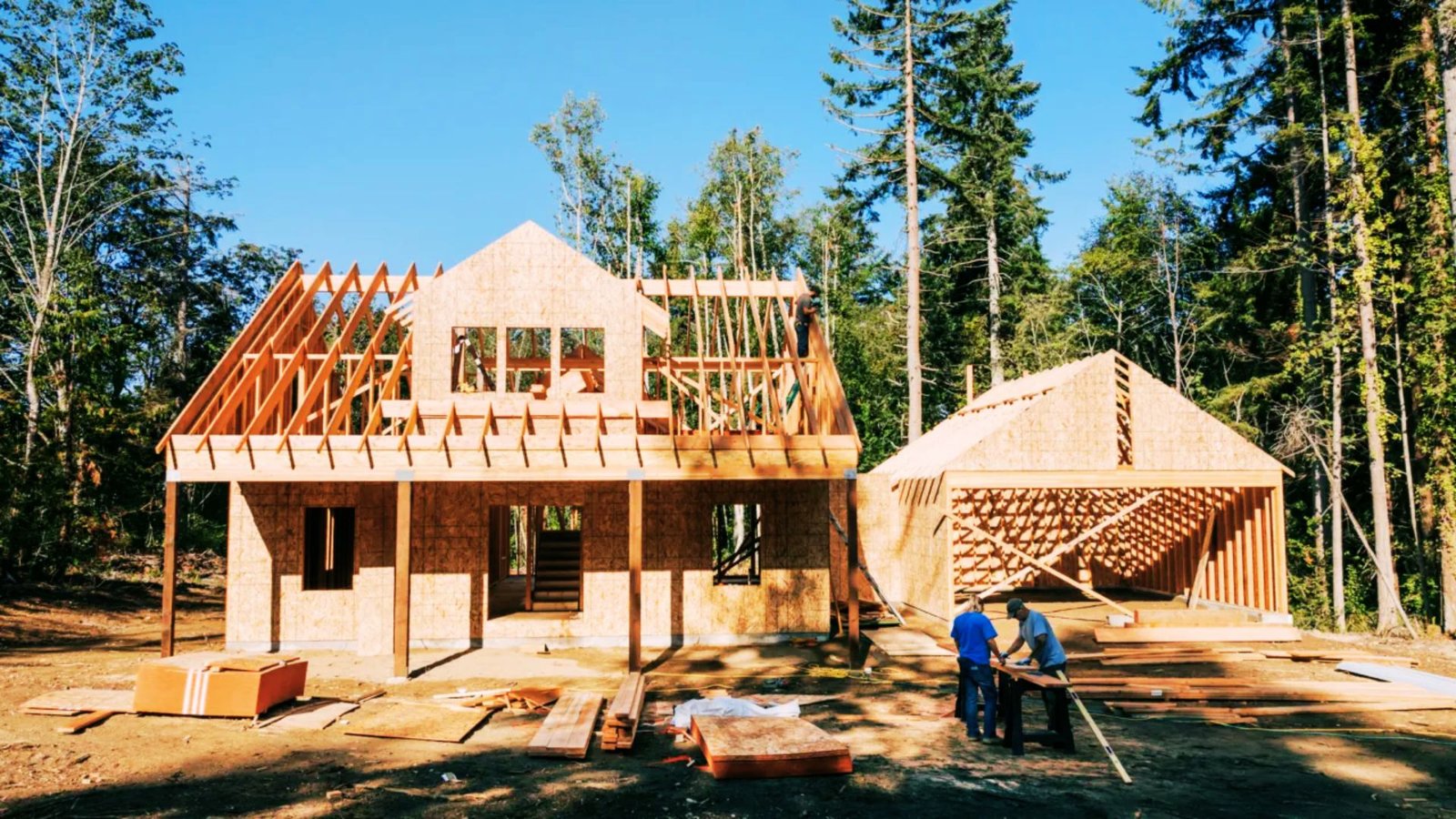
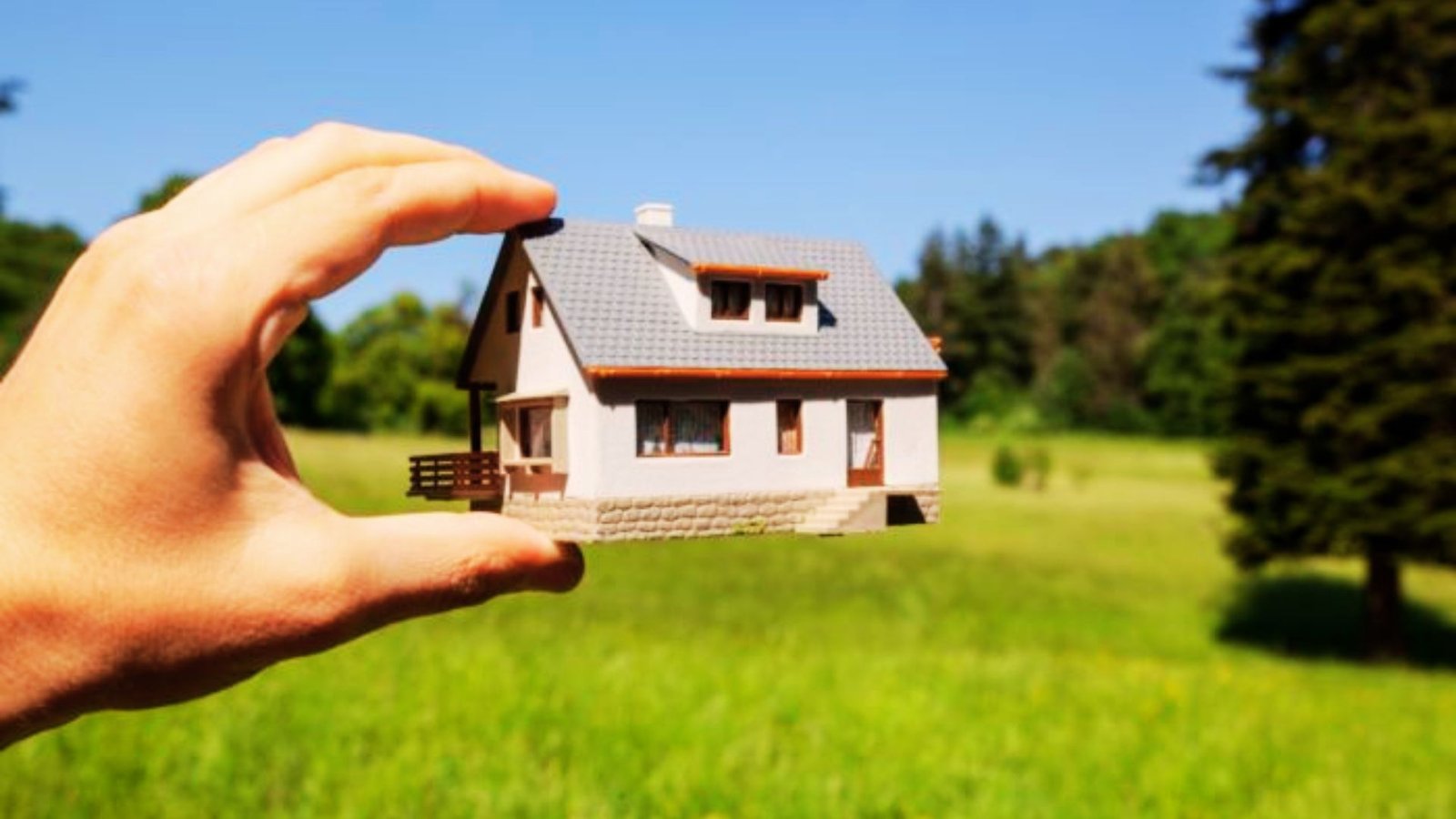
Owning land already puts you ahead since it can account for 20% to 30% of a home’s total value.
In the U.S., building typically costs between $150 and $500 per square foot, but you will still need to budget for site preparation, permits, utility hookups, foundation work, and labor.
Soft costs like inspections and engineering reports can add another 10% to 20% on top of that. Getting local contractor quotes early will help you build a realistic budget and avoid unexpected costs down the road.
Cost Breakdown of Building a House on Your Land
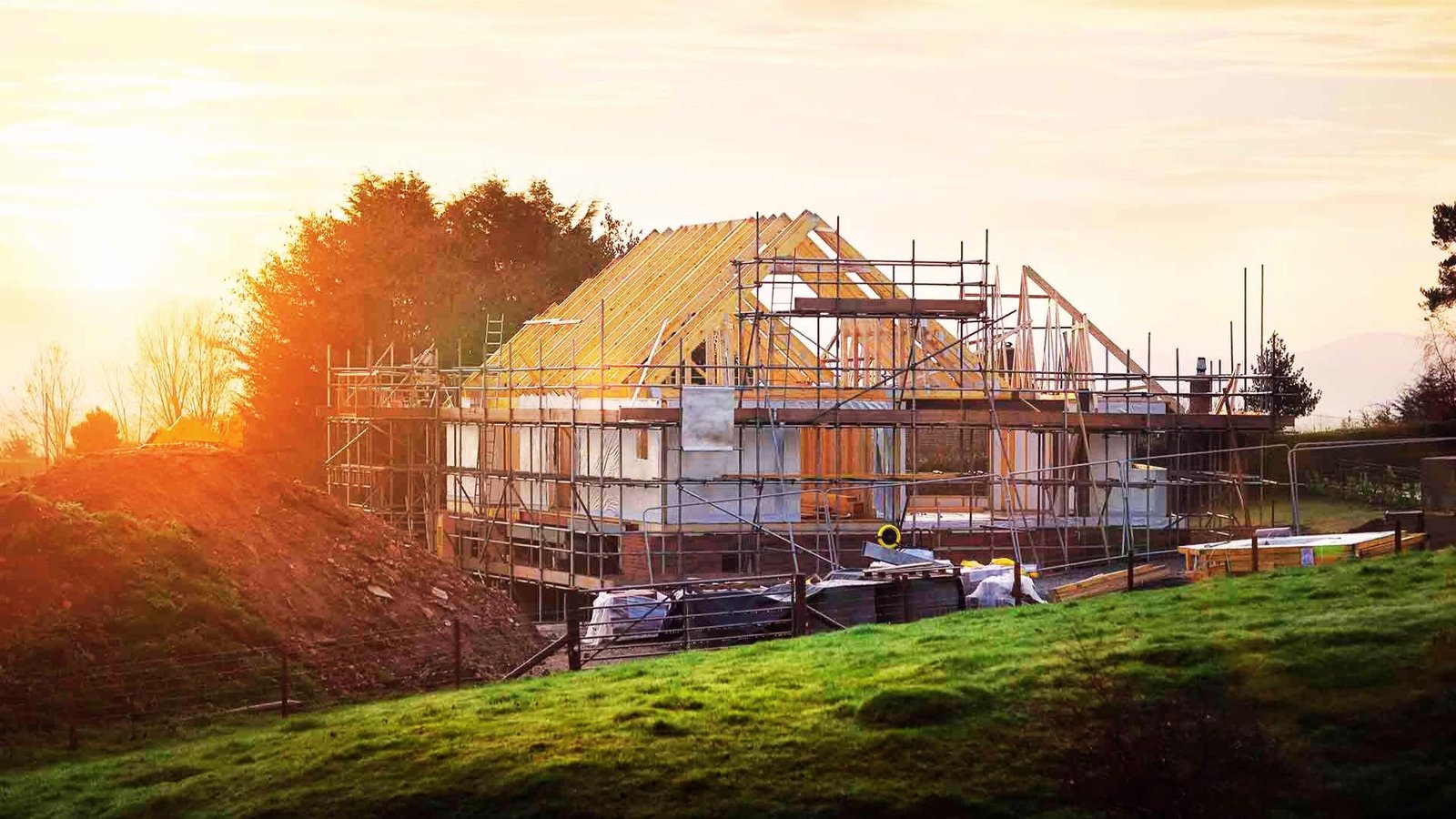
Building a house on your own land comes with multiple cost stages. Knowing what each phase costs helps you plan and avoid surprises.
Site Preparation and Land Clearing
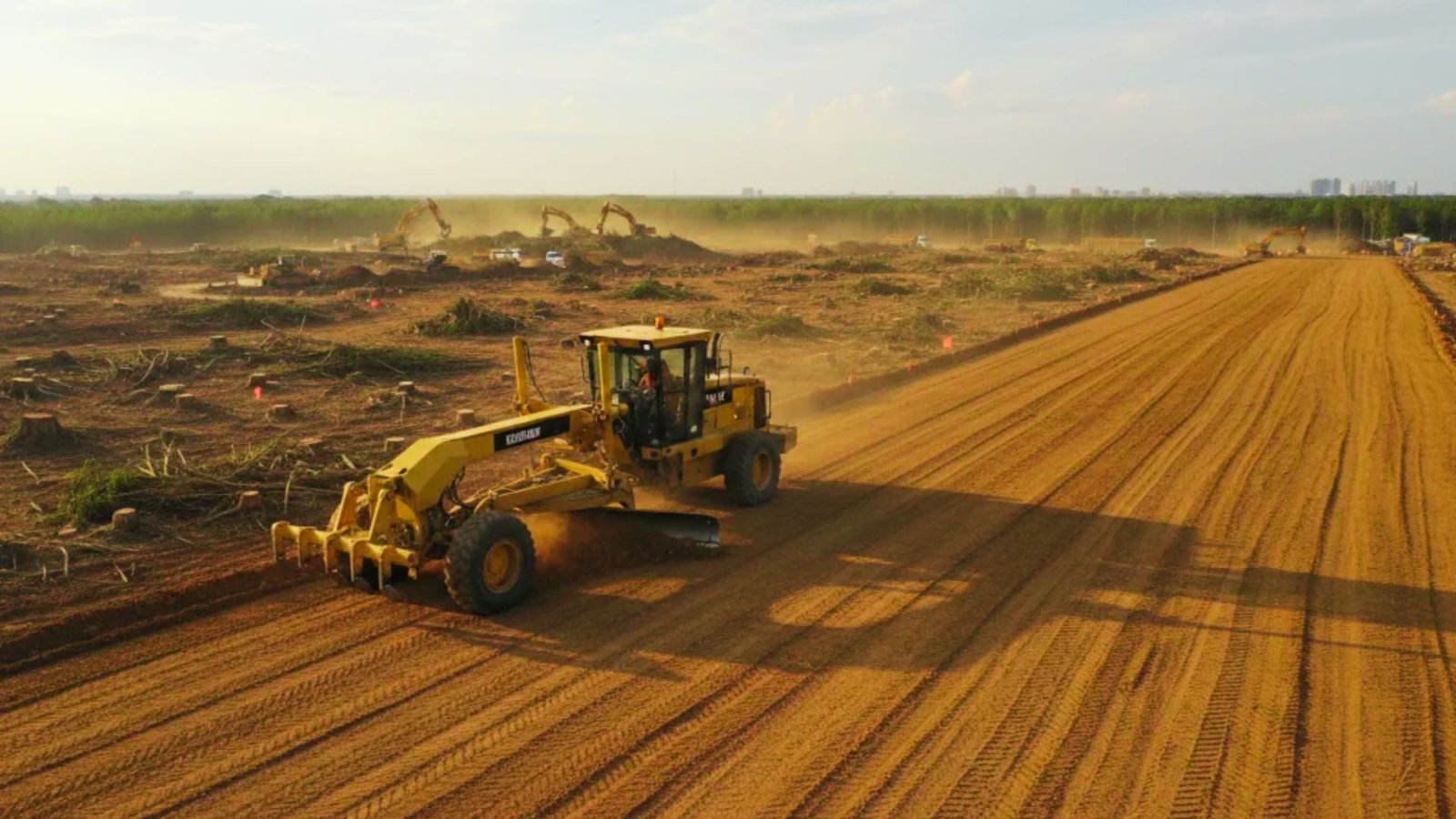
Land clearing removes trees, rocks, and debris before construction starts. Costs range from $1,500 to $5,000 for a basic lot, and more for wooded land.
Grading the ground for proper drainage costs $1,000 to $3,000. Running utility lines from the road can add $10,000 to $30,000, depending on distance.
A soil test costs $500 to $2,000 and helps determine the right foundation type for your land.
Foundation and Framing
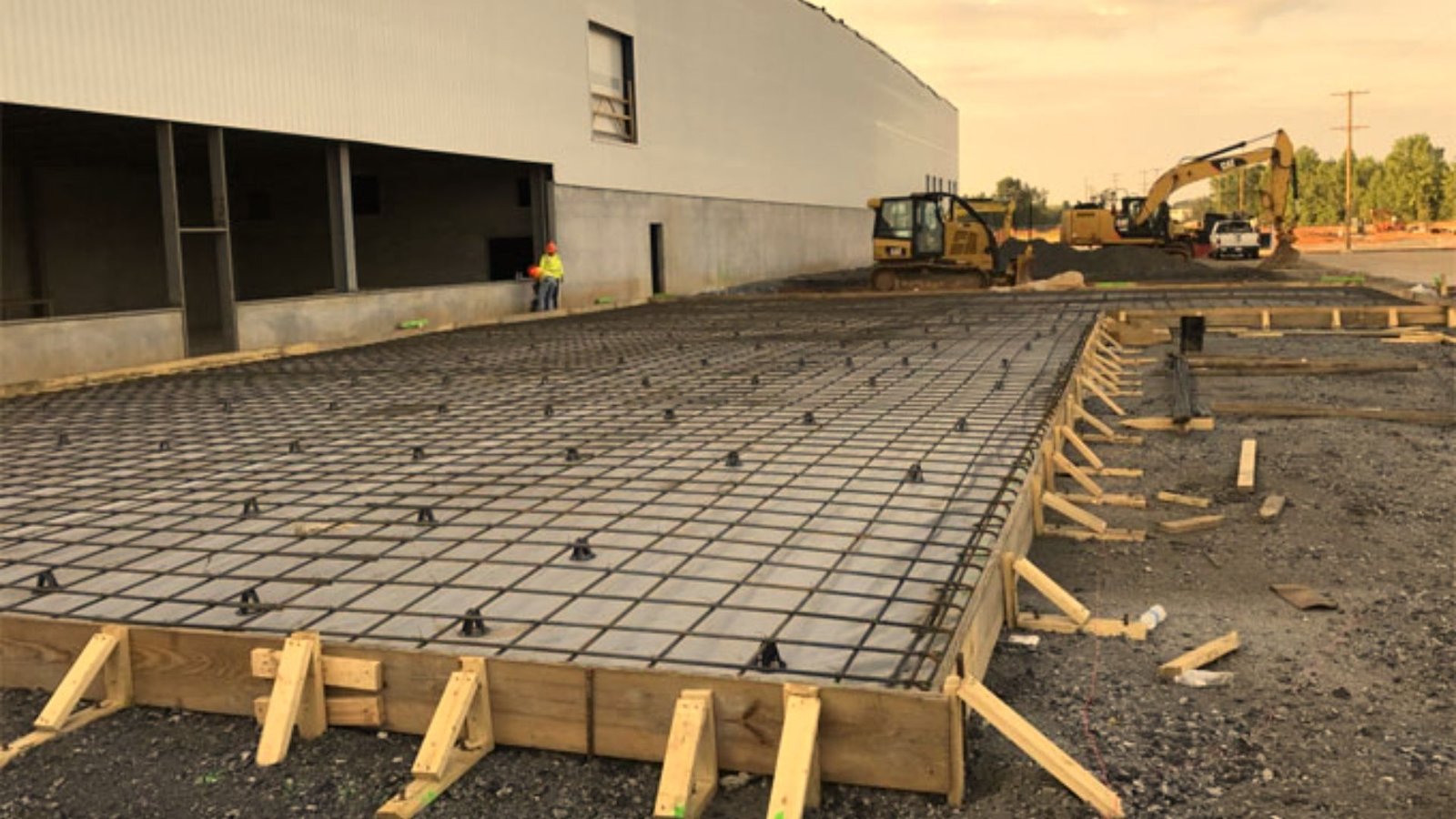
A concrete slab costs $5,000 to $15,000, a crawl space runs $8,000 to $21,000, and a full basement can reach $20,000 to $50,000.
Your choice depends on your climate and soil type. Framing a 2,000 square foot home typically costs $20,000 to $50,000, with lumber prices affecting the final number.
Roofing, Windows, and Exterior Finishes
Asphalt shingles cost $8,000 to $15,000, while metal roofing runs $15,000 to $30,000. Windows for a typical home range from $6,000 to $20,000.
Vinyl siding starts at $6,000 to $12,000. Brick or stone can exceed $50,000. Gutters and trim add another $1,500 to $5,000.
Plumbing, Electrical, and HVAC
Plumbing costs $8,000 to $20,000, and full electrical work runs $10,000 to $20,000. A complete HVAC system averages $8,000 to $18,000.
Together, these three systems can total $30,000 to $60,000 or more. Cutting corners here often leads to costly repairs later.
Interior Finishes and Appliances
Flooring costs $6,000 to $25,000 depending on material. Drywall and painting add $11,000 to $23,000 combined.
Kitchen cabinets range from $5,000 to $25,000+, and appliances run $5,000 to $15,000. Trim, doors, and fixtures can add another $5,000 to $15,000.
Hidden Costs You Should Expect

Building a home costs more than most people plan for. These extra expenses can catch you off guard if you are not prepared.
Building Permits and Inspection Fees
Permits are required before construction starts. Your local government charges fees to review plans and inspect the work at different stages.
These fees can easily reach several thousand dollars depending on your location.
Utility Connections and Septic Systems
Connecting to water, electricity, and gas is often a separate cost. Rural lots can be expensive to connect.
If public sewer is not available, a septic system can cost $5,000 to $20,000 or more.
Driveways, Landscaping, and Drainage
Driveways and landscaping are rarely included in base quotes. Poor drainage near your foundation causes costly damage later.
Plan for all three before you finalize your budget.
Construction Loan and Financing Costs
Construction loans charge interest as you draw funds. You may also pay origination fees, appraisal costs, and closing fees twice.
Ask your lender for a full fee breakdown upfront.
Emergency or Contingency Budget
Set aside 10% to 15% of your total budget for surprises. Unexpected soil issues, material price increases, and weather delays are common.
Having this buffer keeps your project on track.
Factors That Affect the Total Building Cost
A few key factors can push your building costs up or down. Knowing them ahead of time helps you plan and budget better.
Home Size and Design Complexity
Larger homes need more materials and labor, which raises the overall cost. Complex designs with multiple levels or custom features cost more than simple, straightforward layouts.
Starting with a clean, practical floor plan is the easiest way to keep spending under control.
Material and Finish Choices
The materials and finishes you pick directly affect your budget. Premium options like hardwood floors or custom cabinetry cost significantly more than standard choices.
Deciding early where to spend and where to save helps you stay on track without sacrificing quality.
Land Condition and Accessibility
Rocky, uneven, or flood prone land often needs extra work before building can start. That preparation adds to your total cost.
Hard to reach sites can also increase labor charges, so checking your plot carefully before buying is always a good idea.
Local Labor and Contractor Rates
Labor rates differ by location. Busy areas with high construction demand tend to have higher contractor fees.
Building during a slower season and hiring a reliable team from the start can save you money in the long run.
Ways to Lower the Cost of Building on Your Land
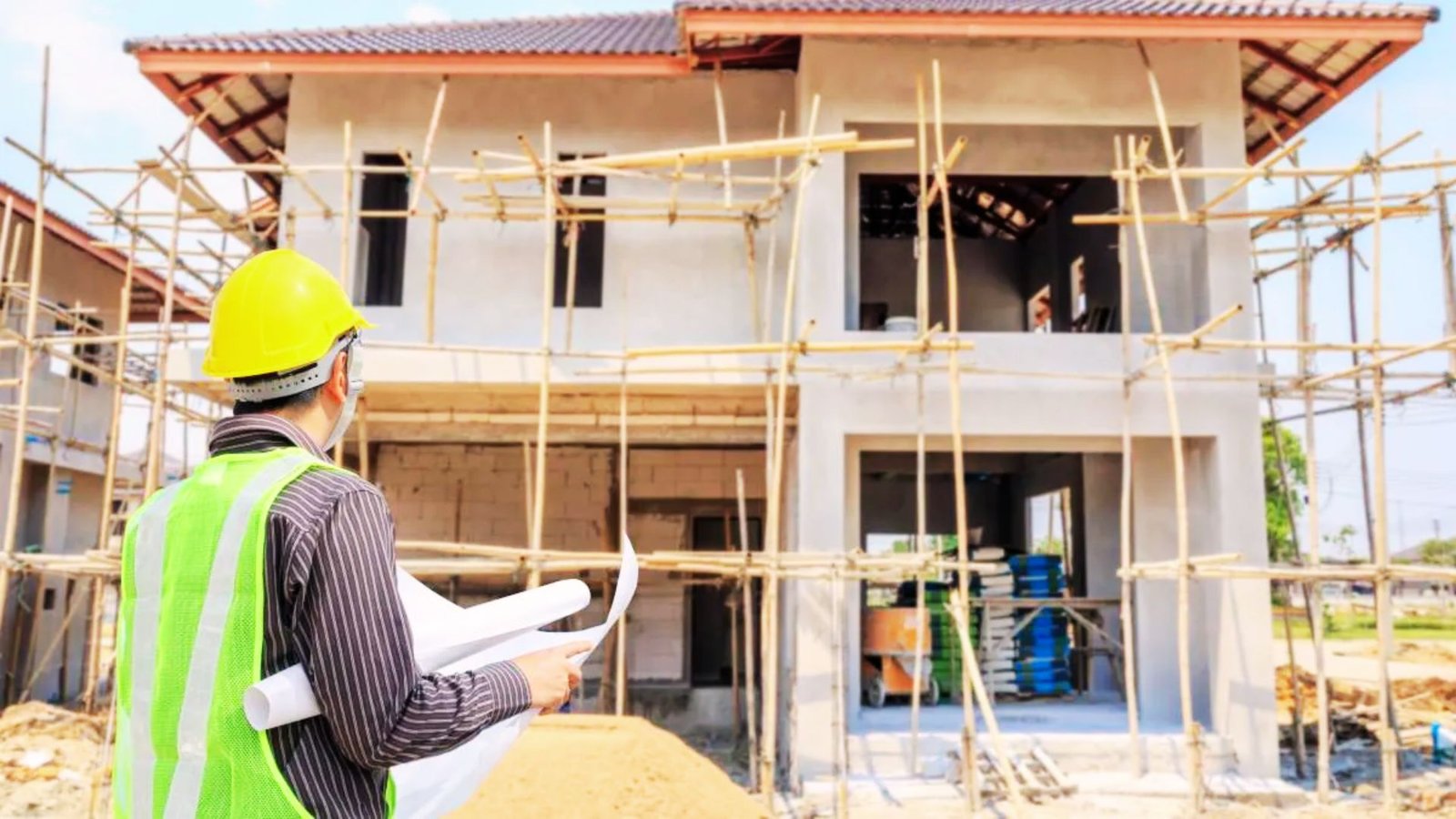
Building on your own land does not have to break the bank. The right choices and smart planning can keep costs under control.
Choose a Simple Floor Plan
A clean, simple layout costs less to build. Avoid complex angles and unnecessary features. A square or rectangular design uses fewer materials and takes less time to complete.
Use Cost Effective Materials
Affordable materials can perform just as well as expensive ones. Vinyl siding, laminate flooring, and budget friendly finishes are solid options. Compare prices and ask your builder what gives the best value.
Work With an Experienced Builder
A skilled builder helps you avoid costly mistakes. They often have supplier connections that lower material costs. Always check references and past work before signing any contract.
Plan Your Budget Before Construction
List every expected cost before work begins. Include labor, materials, permits, and land prep. Add a 10 to 15 percent buffer for surprises. Check your numbers regularly and deal with any overruns early.
Is It Cheaper to Build if You Already Own Land?
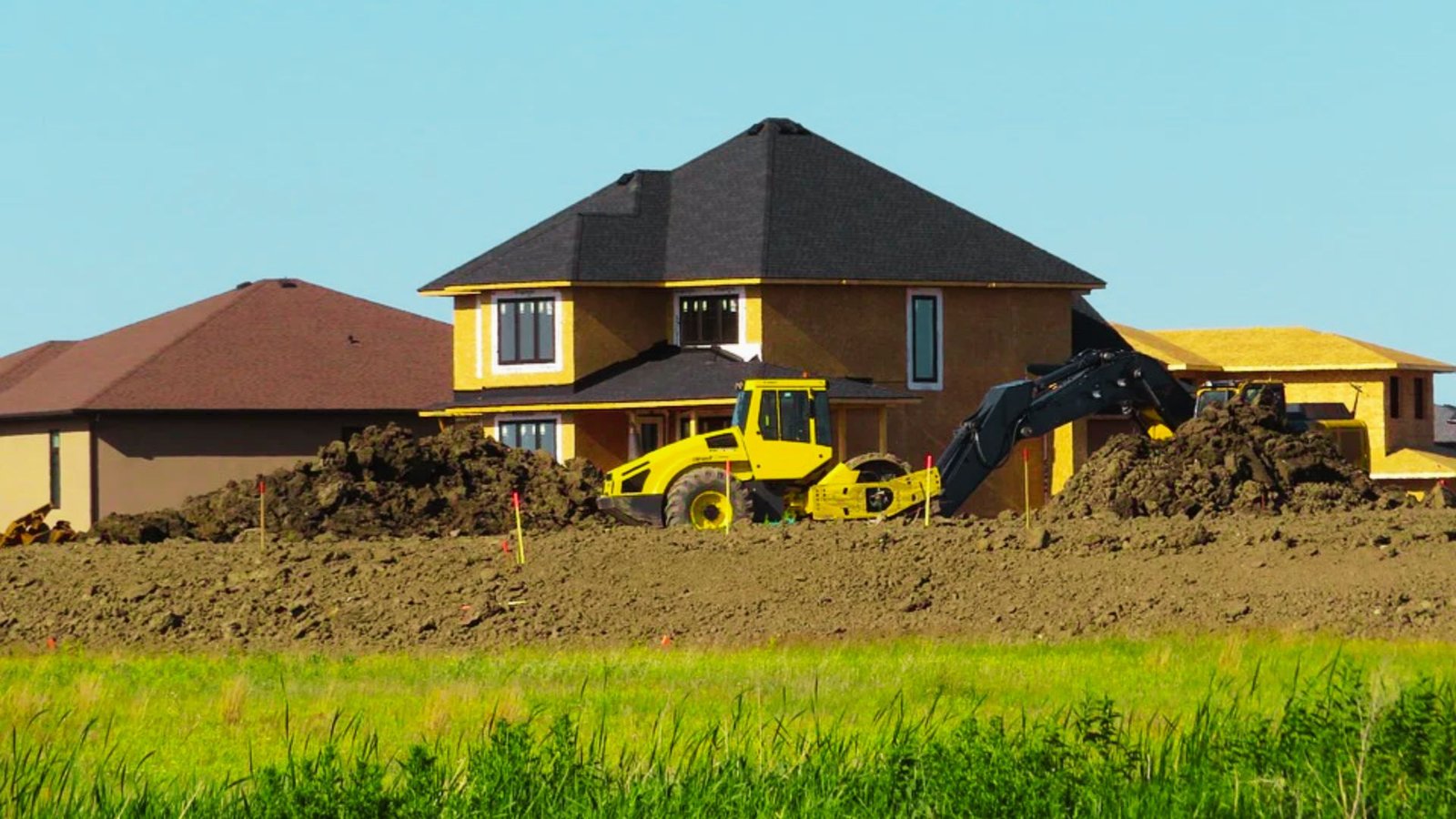
Owning land gives you a head start when building a home, but costs still depend on many factors.
Land is a big saving. In most areas, land makes up 20% to 30% of a home’s total price. If you already own a plot, you skip that cost entirely.
But building still costs money. Permits, site prep, utility connections, and labor all add up. If your land needs grading or drainage work, expect higher costs.
Building vs Buying
Buying a home is simple. Costs are clear upfront. Building takes more time and has more steps. But owning the land removes one of the biggest expenses from the total.
Long Term Value
A newly built home needs fewer early repairs. Energy efficient materials also help lower utility bills over time.
When you own the land outright, you often start with strong equity right away. As the area grows, both your land and home can gain value.
Building on land you own is a smart financial move when planned well.
Tips Before Starting Construction
Before breaking ground, a few smart steps can save you time, money, and stress later.
- Set a Realistic Budget: Know your total spending limit before anything else. Add a buffer of 10 to 15 percent for unexpected costs, because construction rarely goes exactly as planned.
- Get Your Permits Ready: Check with your local authority about which permits you need. Handling paperwork early helps you avoid fines or costly delays down the road.
- Choose the Right Contractor: Ask for references, review past work, and compare at least three quotes. A reliable contractor keeps your project on track and within budget.
- Plan for Delays: Weather, supply shortages, and labor gaps can push timelines back. Building extra time into your schedule from the start helps you stay calm when things shift.
- Stay in Regular Contact: Talk to your contractor often, ask questions, and stay involved in the progress. When everyone stays informed, small issues get fixed before they turn into bigger problems.
Conclusion
Starting a construction project can feel overwhelming, but trust me, a little preparation goes a long way.
When I planned my first renovation, skipping the permit step cost me both time and money. I wish someone had shared these tips with me earlier.
If you take just one thing from this, let it be this: plan before you build. Got questions or your own experience to share? Drop a comment below. I would love to hear how your project goes!
Frequently Asked Questions
What permits do I need before starting construction?
The permits you need depend on your location and the type of project. Always check with your local authority before breaking ground to avoid fines or legal trouble.
How do I find a reliable contractor for my project?
Ask for references, check their past work, and compare at least three quotes before making a decision. A contractor with good reviews and clear communication is always a safe choice.
How much extra budget should I set aside for construction?
It is smart to keep an extra 10 to 15 percent of your total budget for unexpected costs. Construction projects often come with surprise expenses, so having backup funds keeps things moving.
How long does a typical construction project take?
The timeline depends on the size and complexity of your project. Always add extra time to your schedule to account for delays caused by weather, material shortages, or labor gaps.
What should I do if my construction project faces unexpected delays?
Stay calm and talk to your contractor right away to understand the reason for the delay. Having a flexible schedule and a backup plan in place makes it much easier to handle setbacks.