Planning plumbing for new construction can feel confusing, especially if it is your first build.
One wrong decision early on can lead to expensive fixes later. I have been there, and I know how stressful it gets. This guide will help you avoid that.
You will learn about the best materials to use, the key installation stages to follow, and the most common mistakes to avoid. I will also cover long term maintenance so your system runs well for years.
With hands-on experience in construction planning, I will walk you through everything step by step.
By the end, you will feel confident making the right plumbing decisions for your new build.
What does Plumbing for New Construction mean?

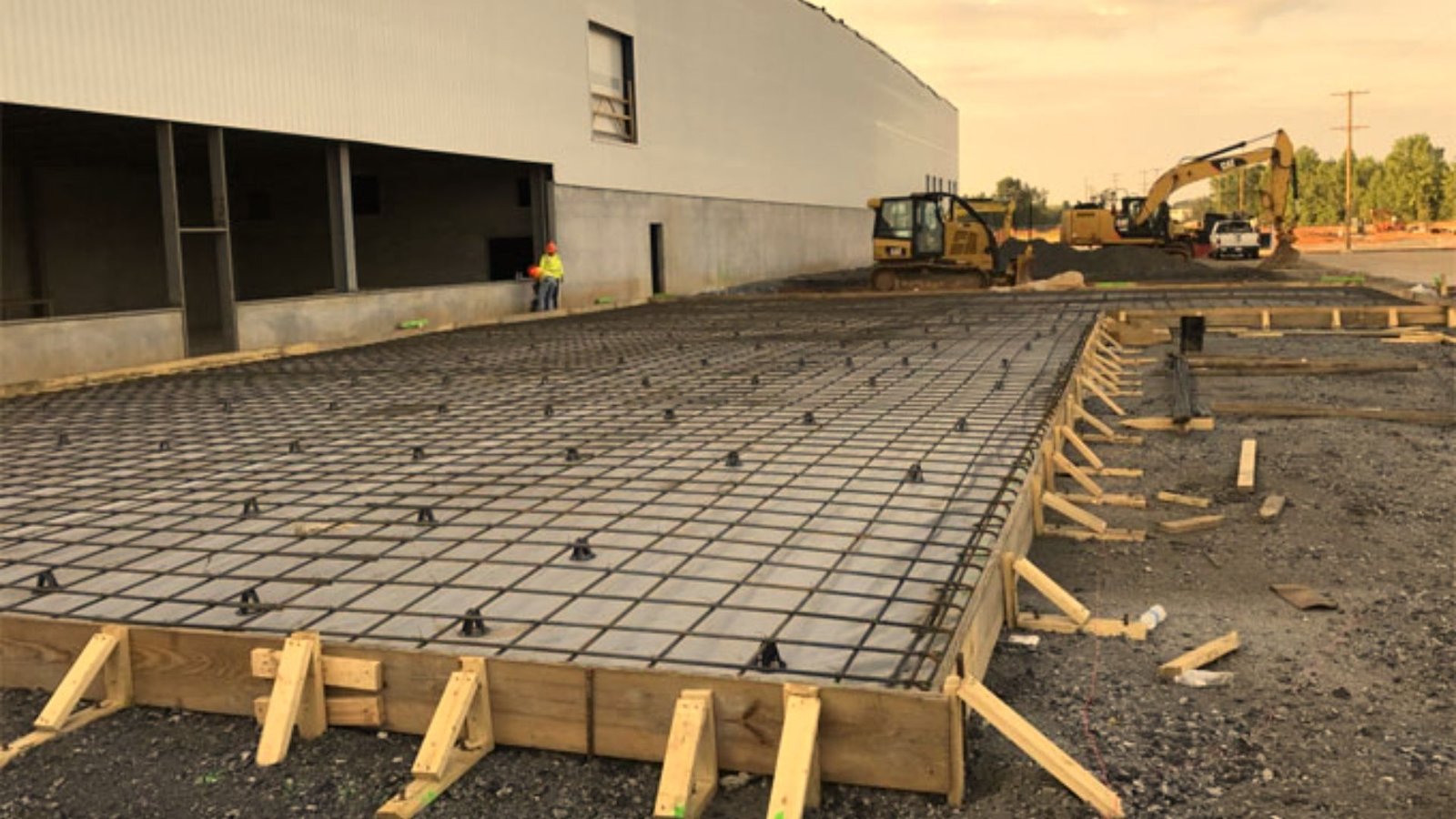
Plumbing for new construction means installing all water supply and drainage systems in a brand new building from scratch, before walls and floors are closed up.
The work happens in stages, starting with underground sewer and drain lines, then interior supply pipes through the framing, and finally the fixtures like sinks, toilets, and faucets.
Every pipe must be correctly sized, sloped, and positioned to keep water flowing and drains working properly. Local building codes and inspections guide the process to make sure everything is safe, functional, and built to last.
Planning Plumbing for a New Home
Good plumbing starts with smart planning before construction begins. Learn how to place rooms, design systems, and prepare for future needs.
Choosing Bathroom and Kitchen Locations
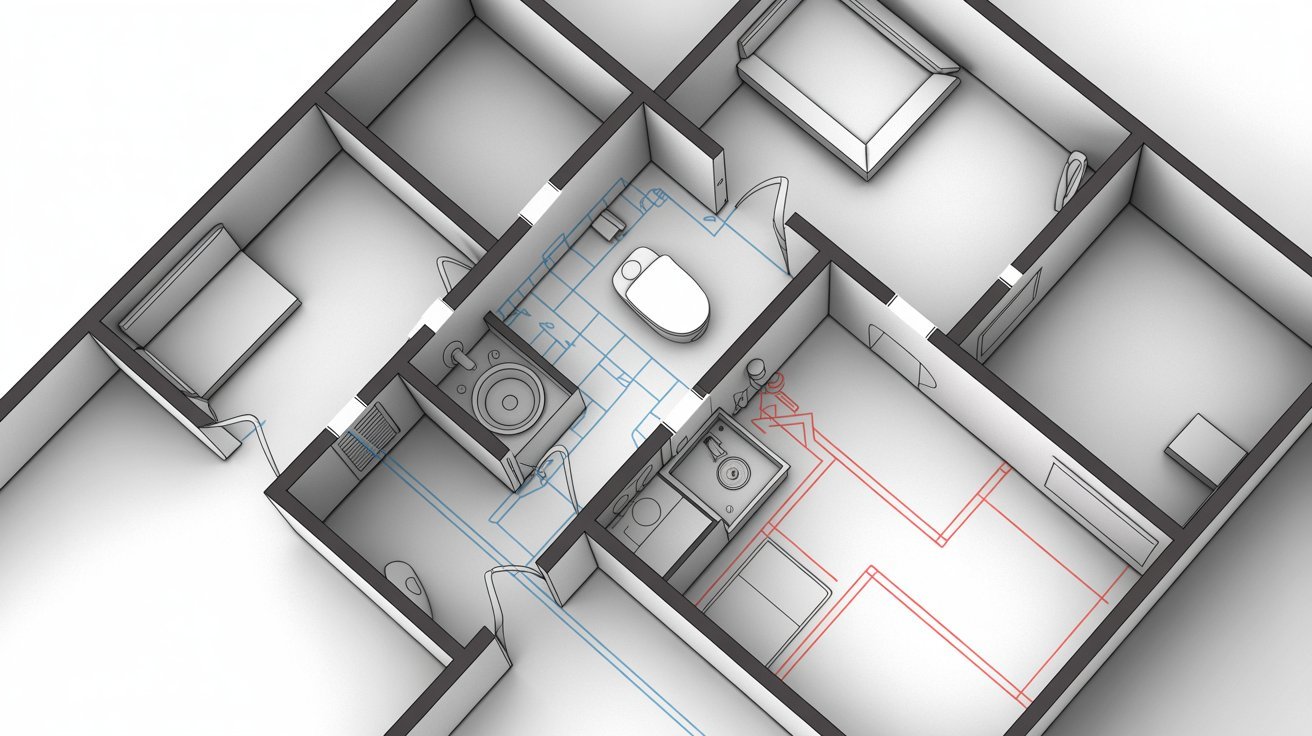
Where you place bathrooms and the kitchen affects pipe length and costs. Keep bathrooms close together, ideally on the same wall or stacked on different floors.
The kitchen should sit near the main plumbing stack when possible. Talk to your plumber early, as small floor plan changes can save a lot of money later.
Placing wet rooms far apart means longer pipe runs and higher costs. It can also lead to slower drainage over time. A little thought at the planning stage goes a long way.
Designing Water Supply and Drainage Systems
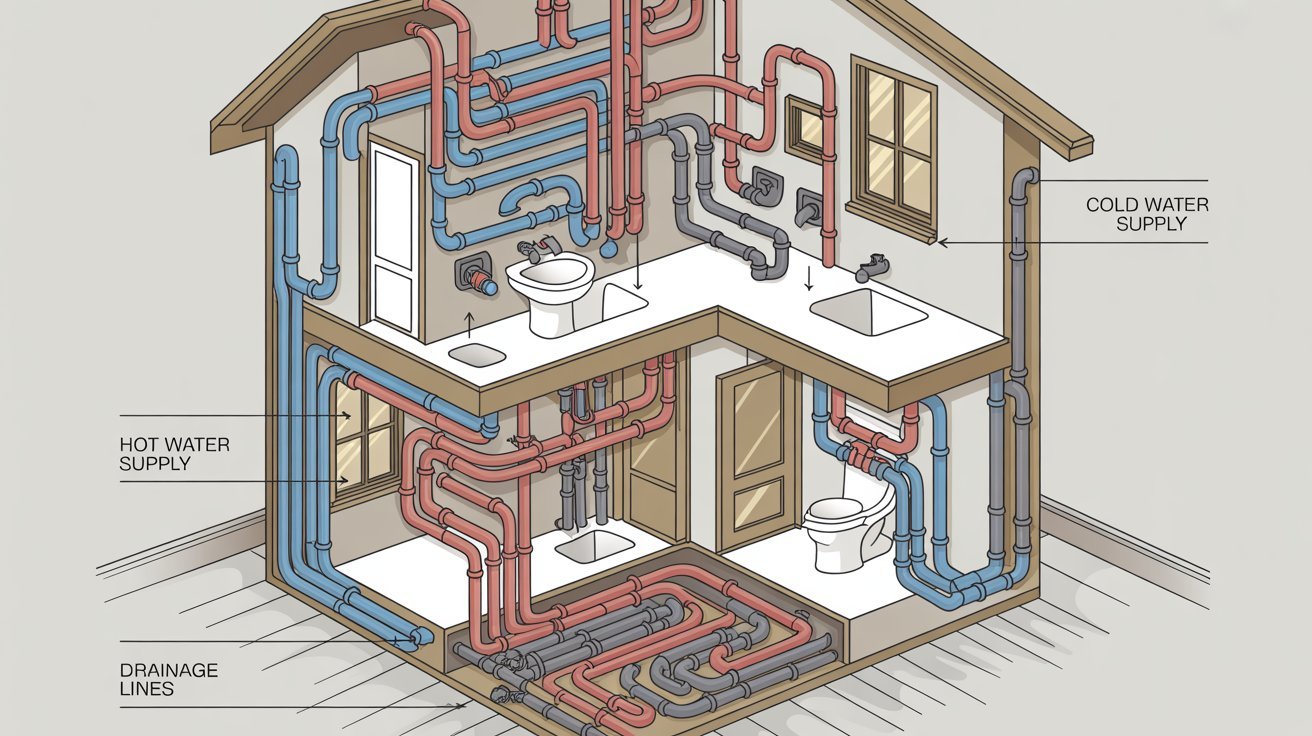
Your home needs two systems. One brings clean water in, and the other takes waste water out. The supply system works under pressure, splitting at the main line to serve all fixtures. Pipe sizes must be correct to keep good water pressure throughout the home.
The drainage system uses gravity, so pipes must slope downward for waste to flow out. Every drain needs a trap to block sewer gases from entering the home.
Vent pipes keep water moving freely without gurgling. Plan both systems before any walls go up.
Planning for Future Plumbing Needs
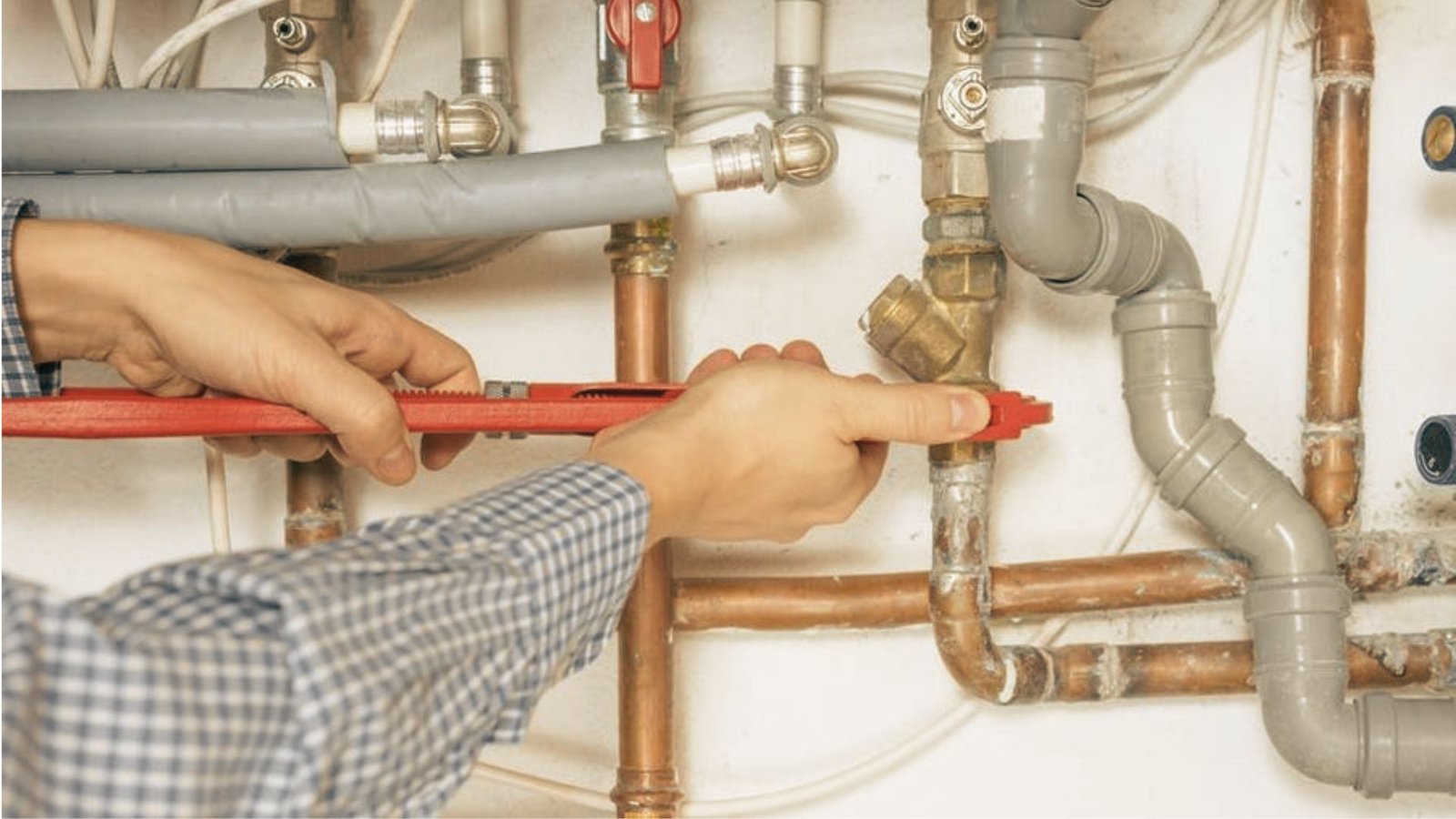
Your needs today may change in a few years. Installing rough in pipes during construction is much cheaper than cutting into finished walls later.
If you might add a bathroom or outdoor sink someday, have the plumbing capped off now. It costs very little upfront but saves a lot of trouble down the road.
Also think about water heater placement and space for a filtration system near the main line. Leaving room for these options gives you more flexibility later. A little extra planning now means fewer surprises in the future.
Choosing the Best Plumbing Materials
Picking the right plumbing materials can save you money, time, and stress for years to come.
PEX vs PVC vs Copper Pipes

The right pipe material depends on your budget and project type. PEX is flexible, affordable, and easy to install. It works well for both hot and cold water but cannot be used outdoors.
PVC is best for drain lines and cold water supply. It is lightweight and budget friendly but not suited for hot water. Copper is the most durable option.
It lasts for decades but costs more and requires skilled installation. For most homes, PEX is the practical choice. Use PVC for drains and copper when durability is the top priority.
Selecting Quality Fixtures and Fittings
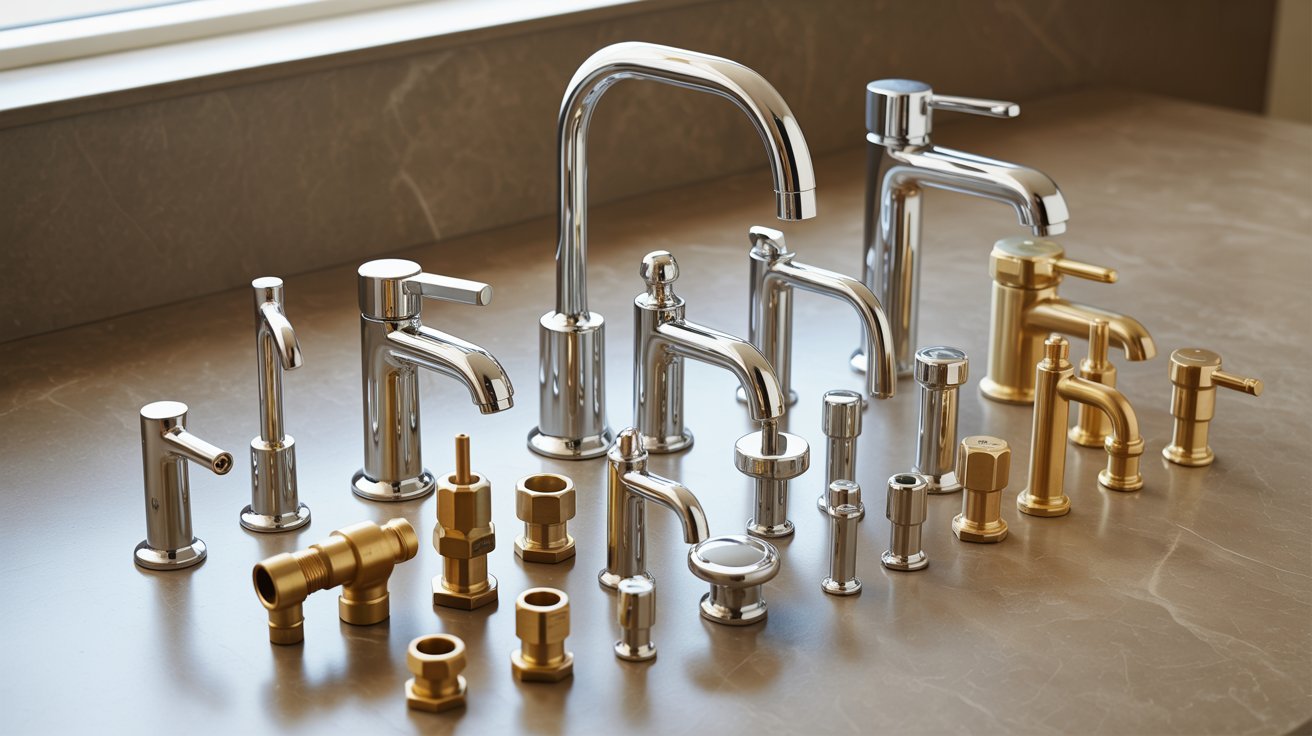
Good fixtures and fittings keep your plumbing system working without frequent repairs. Choose faucets with brass or stainless steel bodies as they resist corrosion and last longer.
Ceramic disc cartridges are a plus since they reduce dripping over time. For fittings, brass is the most reliable option.
Always match fittings to your pipe material to avoid corrosion caused by incompatible metals. Stick to brands that offer solid warranties, as it is a clear sign the product is built to last.
Understanding the Main Plumbing Installation Stages
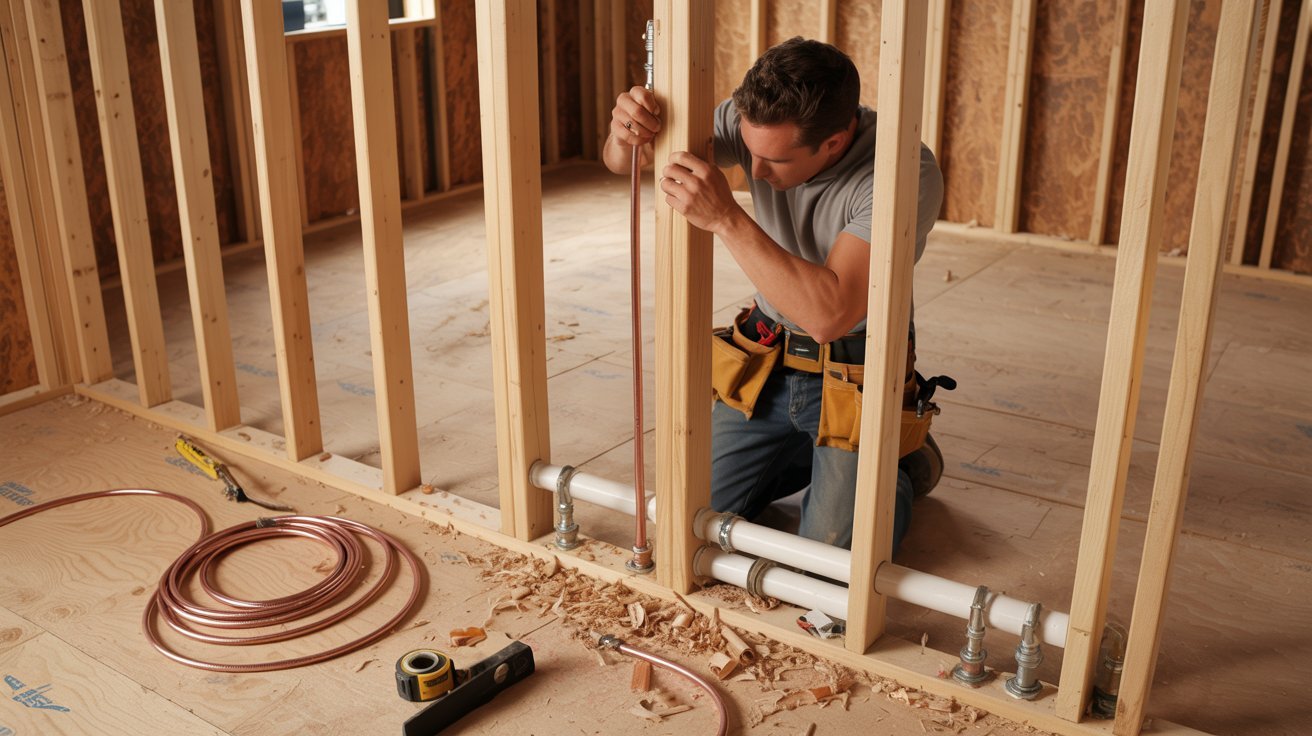
Plumbing installation follows clear stages that work together to build a safe and fully working system.
Rough In Plumbing Installation
This stage happens before walls and floors are closed up. Plumbers lay out supply pipes, drain pipes, and vent pipes in their correct positions.
Each pipe is placed to match the planned location of fixtures like sinks and toilets. Once this passes inspection, the walls can be sealed.
Fixture and Appliance Connections
After the structure is complete, fixtures and appliances get connected to the existing pipes. This includes sinks, toilets, showers, dishwashers, and water heaters.
Shut off valves are added at each connection point. All fittings must be tight to prevent future leaks.
Pressure Testing and Leak Checks
Before use, the system is tested by filling pipes with water or air at a set pressure. The plumber watches for any pressure drop, which signals a leak.
Catching leaks at this stage is much easier than finding them after walls are sealed. It keeps the building safe from water damage and gives confidence that the system is ready to use.
Plumbing Codes and Inspection Requirements

Plumbing codes and inspections ensure your work meets safety standards set by local authorities.
Meeting Local Building Codes
Every city or county has its own plumbing rules. These are based on national standards but can vary by location. Always check with your local building department before starting any work.
Codes cover pipe materials, drain slopes, venting, and water pressure. Using the wrong materials or skipping steps can cause your project to fail inspection.
In many areas, a permit is required before work begins. Some jobs also require a licensed plumber. Skipping this step can cause legal problems, especially if you plan to sell your home later.
Passing Final Plumbing Inspections
After the work is done, an inspector will review it to confirm everything meets code. They check pipe connections, supply lines, drains, and fixtures for leaks or improper installations.
Keep the work area clean and do not cover pipes before the inspector visits. Covering work too early is a common reason inspections fail.
If something does not pass, the inspector will provide a list of fixes. Once corrected, you can schedule a follow up visit. A passing inspection means your plumbing is safe and officially approved.
Tips for Managing Plumbing for New Construction
Good plumbing planning saves you time, money, and stress during any new build project.
- Always hire a licensed and insured plumber with experience in new construction. Ask for references and get written quotes before making a decision.
- Confirm all pipe routes before walls are closed up. Pipes placed too close to walls or beams can cause serious access problems later.
- Never skip rough in inspections. Getting each stage checked before moving forward helps you catch hidden problems early.
- Talk to your contractor about the right pipe materials for your water type and local climate. Wrong materials can lead to long term damage.
- Plan for regular maintenance from day one. Annual inspections and a small savings fund for repairs will keep your plumbing system running well for years.
Conclusion
Managing plumbing in a new construction project can feel overwhelming, but small smart decisions make a big difference.
When I planned my first build, skipping proper pipe inspections cost me more than I expected. Trust me, a little planning upfront saves a lot of headaches later.
Take these tips seriously, and your plumbing system will serve you well for years.
Have questions or experiences to share about managing plumbing for new construction? Drop a comment below. I would love to hear from you!
Frequently Asked Questions
What is the most important step in managing plumbing for new construction?
Hiring a licensed and experienced plumbing contractor is the most critical step. They ensure the work meets local codes and avoid costly mistakes from the start.
How early should plumbing be planned in a new construction project?
Plumbing should be planned before construction begins, not after. Early planning helps avoid structural conflicts and makes the entire build process smoother.
What are the most common plumbing mistakes in new construction?
Skipping rough in inspections and using the wrong pipe materials are the most common mistakes. Both can lead to expensive repairs once the build is complete.
How much should I budget for plumbing in a new construction project?
Plumbing typically costs between 10 to 15 percent of the total construction budget. Setting aside extra funds for maintenance and unexpected repairs is always a smart move.
How often should new construction plumbing be inspected after move in?
A yearly inspection is recommended to keep everything in good working condition. Catching small issues early prevents them from turning into bigger and more costly problems.