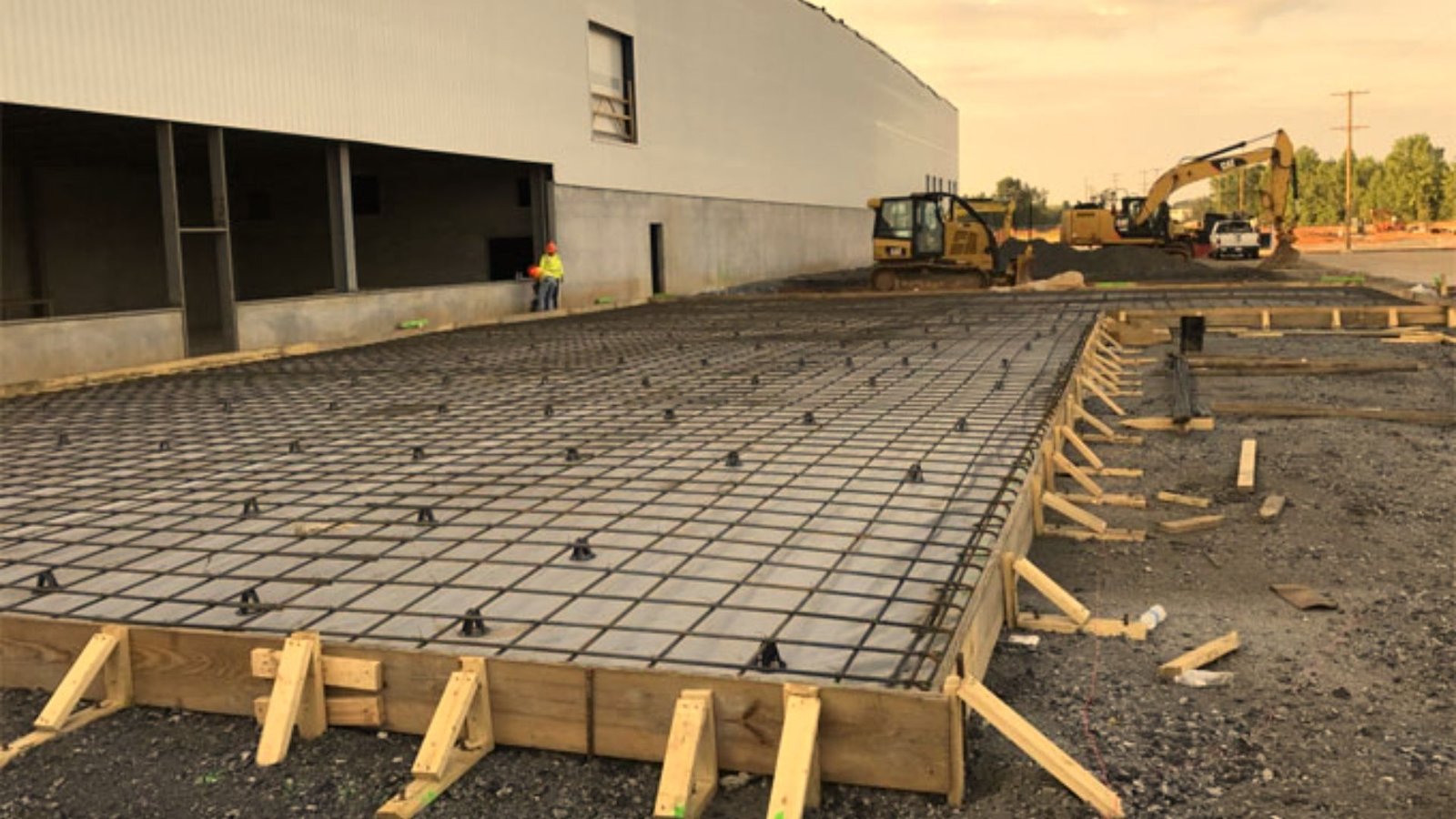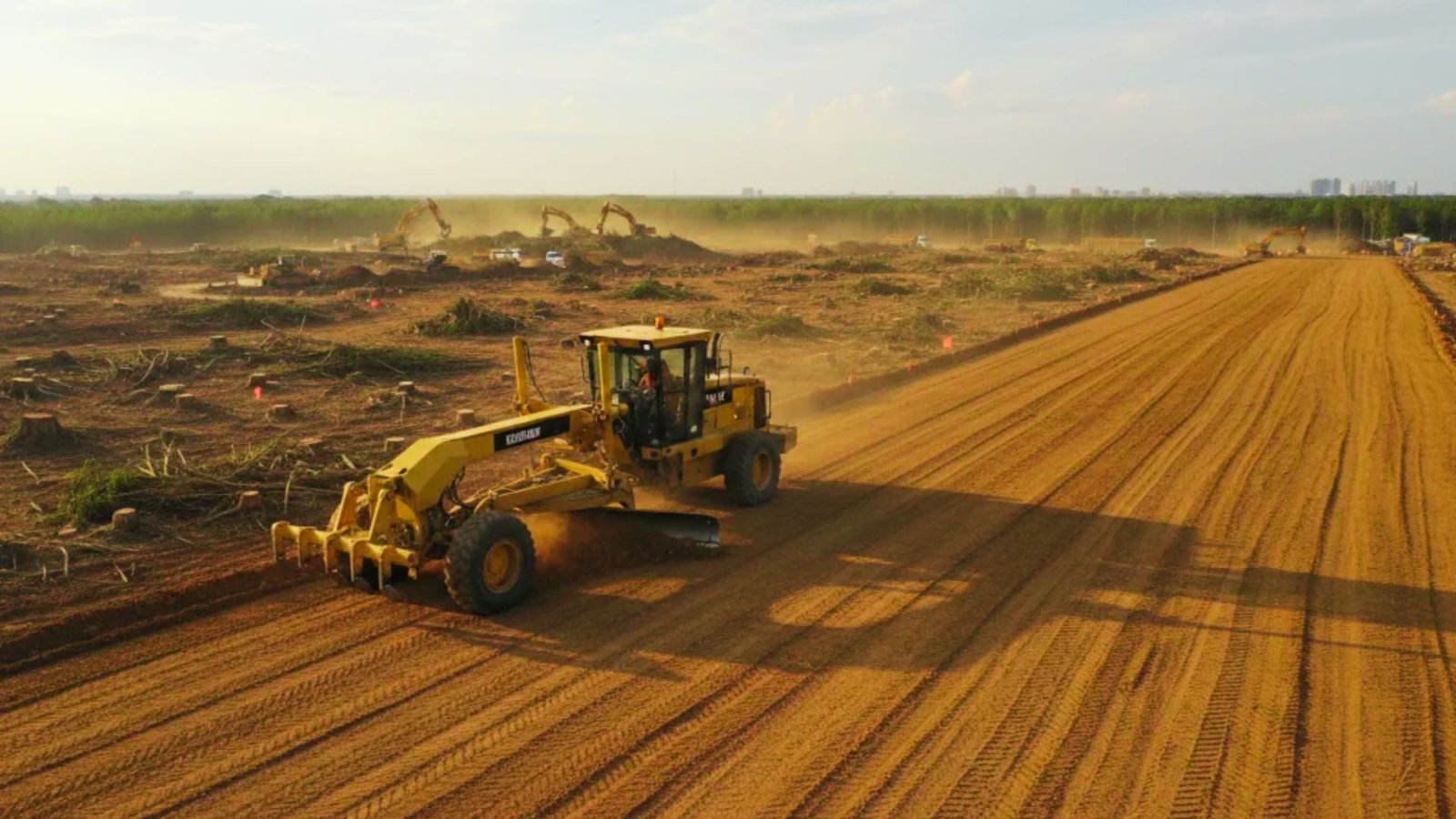
Bad site preparation leads to cracked foundations, flooded land, and wasted money.
I have seen projects fail simply because the groundwork was rushed. That experience pushed me to learn every step the right way.
This guide covers everything from soil testing and land clearing to drainage planning and permit requirements. You will also find cost breakdowns, timelines, safety tips, and a step by step process.
Whether you are starting small or planning something big, this article will help you prepare your site the right way from day one.
Trust the process, follow the steps, and avoid the costly mistakes most people make.
What Is Site Preparation in Construction?

Site preparation is the process of getting land ready before construction begins. It involves clearing trees, rocks, debris, and old structures from the area. Workers then grade and level the soil to create a stable, even surface for building.
Soil testing is done to make sure the ground can support the weight of the structure. Drainage systems are planned and installed to keep water away from the foundation.
Underground utility lines are marked and, in many cases, new connections are laid during this phase.
Without proper site preparation, problems like uneven settling, cracking, and water damage can show up later in the project. A well prepared site builds a strong base for everything that comes after.
Why Site Preparation Is Important

Site preparation is the first step in construction. It keeps the site safe, supports a solid foundation, and helps avoid costly delays.
Creates a Safe Construction Site
A clean and level site keeps workers safe. Removing debris, tree roots, and uneven ground reduces the risk of accidents.
Good drainage also prevents slippery surfaces and protects equipment from water damage.
Helps Build a Strong Foundation
The ground must be tested and compacted before building starts. Soft or loose soil can cause the foundation to shift or crack later.
Proper grading and soil preparation give the structure a stable base to rest on.
Prevents Delays and Extra Costs
Early site preparation helps the project run on time. Issues like underground utilities or poor soil are easier and cheaper to fix before construction begins.
Spotting problems early keeps the budget on track and avoids work stoppages.
Key Factors to Consider Before Site Preparation

Good site preparation starts with knowing what your project needs before any work begins.
Project Size and Type
The size and type of your project shapes every decision during site prep. A small residential build has very different needs than a large commercial development.
Larger projects need heavier equipment, more crew, and more time. Knowing what you are building helps you plan the right prep work from day one.
Soil and Ground Conditions
Soil quality must be checked before breaking ground. Clay heavy soil holds water and gets unstable. Sandy soil drains well but may not hold weight evenly. Rocky ground may need special excavation tools.
A basic soil test helps you know what you are working with and what steps to take before building starts.
Site Location and Weather
Where your site is located affects how and when you can work. Wet or frozen ground slows down excavation. High winds and heavy rain create safety risks for workers and equipment.
Also check site access. If the location is hard to reach, getting machinery and materials in will take more planning.
Permits and Utility Access
Never start work without the right permits. Check with your local authority to find out what approvals you need before any digging begins.
Also, contact utility companies to get underground lines marked. Gas lines, water pipes, and electrical cables can all run beneath a site. Hitting one is dangerous and causes costly delays.
Step by Step Site Preparation Process
A clear breakdown of how land gets ready for construction, from first inspection to final utility setup.
Step 1: Site Evaluation and Inspection
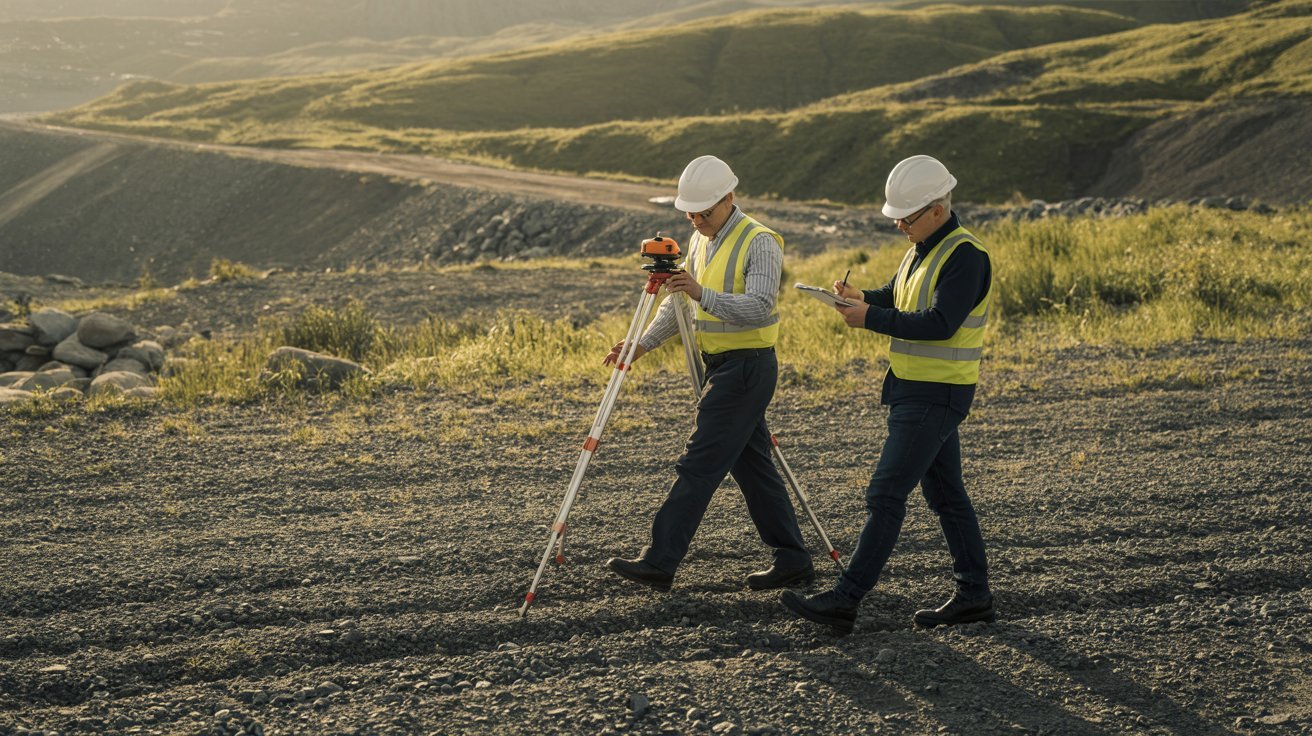
The first step is a close look at the land. Workers check slopes, water pooling, trees, rocks, and any old structures. This helps the team spot problems early and plan better.
Step 2: Site Surveying
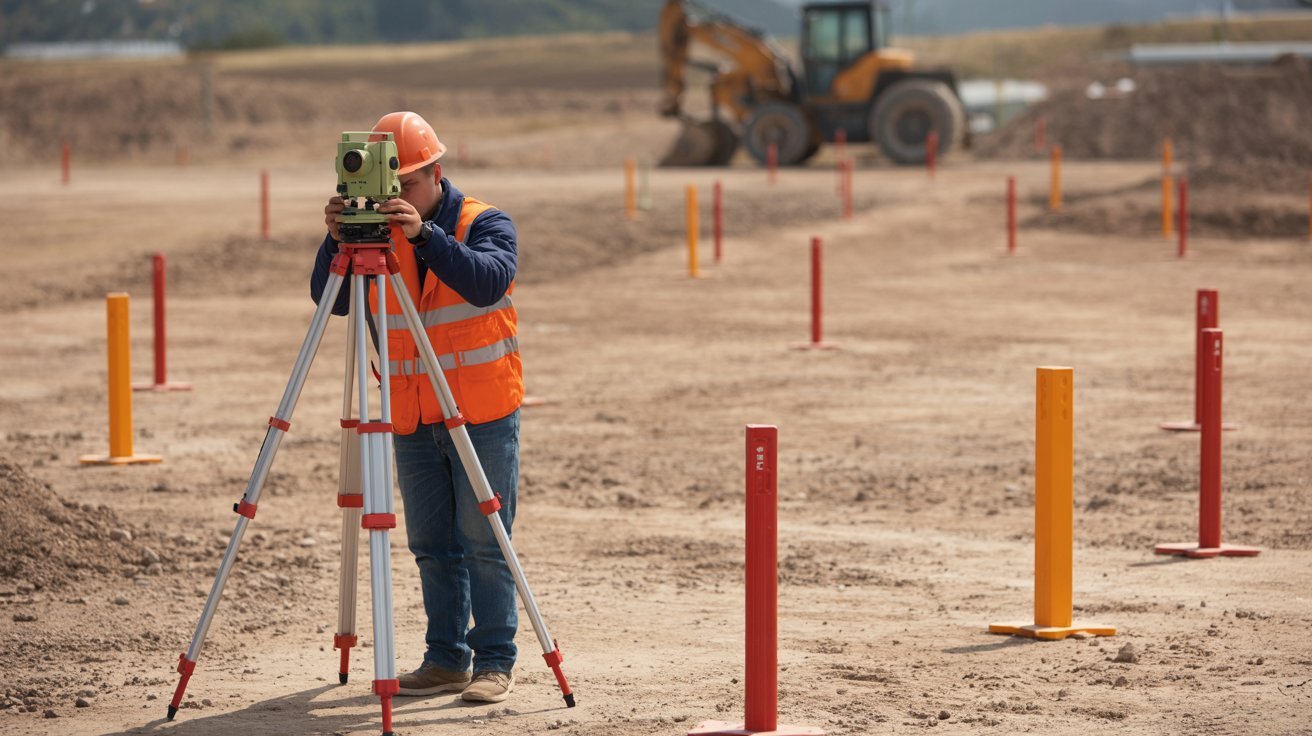
Licensed surveyors measure the land and map its boundaries and elevation. This data tells builders exactly where they can build and how the land sits relative to roads and neighbors.
Step 3: Soil Testing and Analysis

Soil tests check load bearing capacity, moisture, and composition. The results help engineers decide if the ground needs reinforcement before construction begins.
Step 4: Site Clearing and Demolition
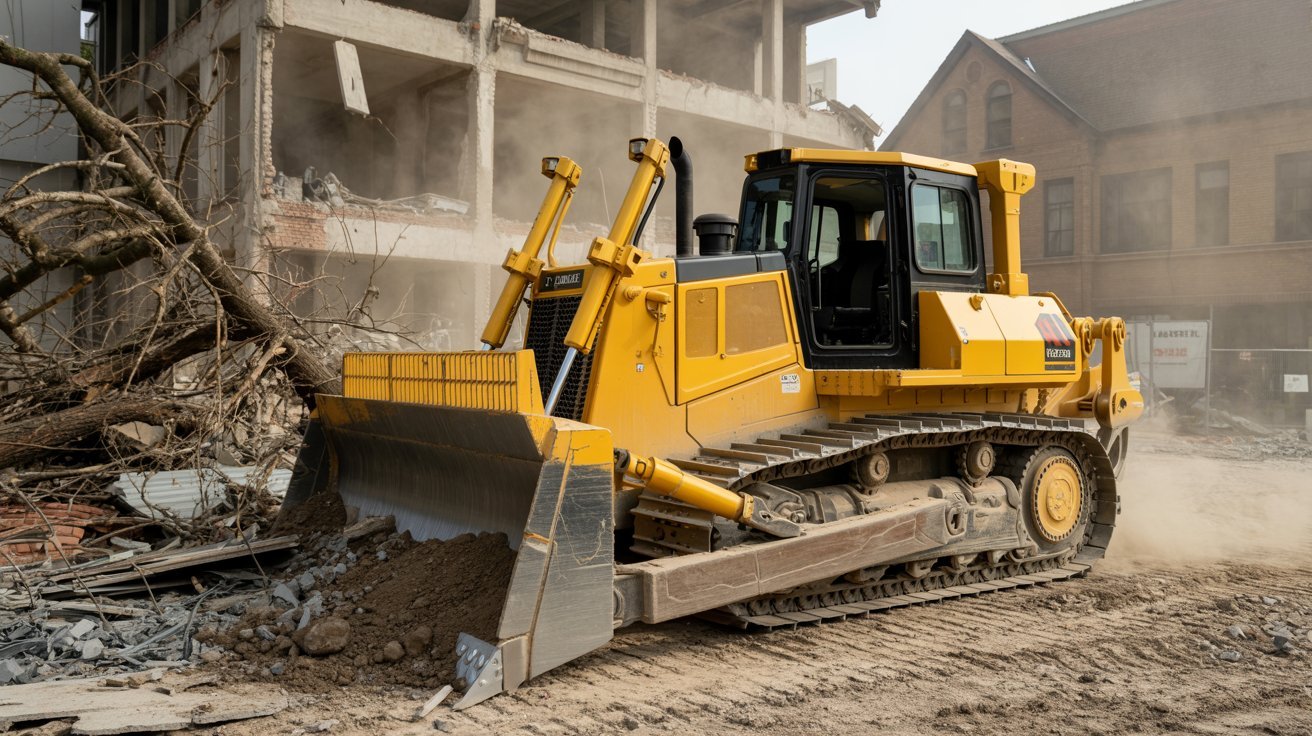
Trees, debris, and old structures get removed to create a clean, open workspace. Waste is sorted and hauled away following local disposal rules.
Step 5: Site Plan Design
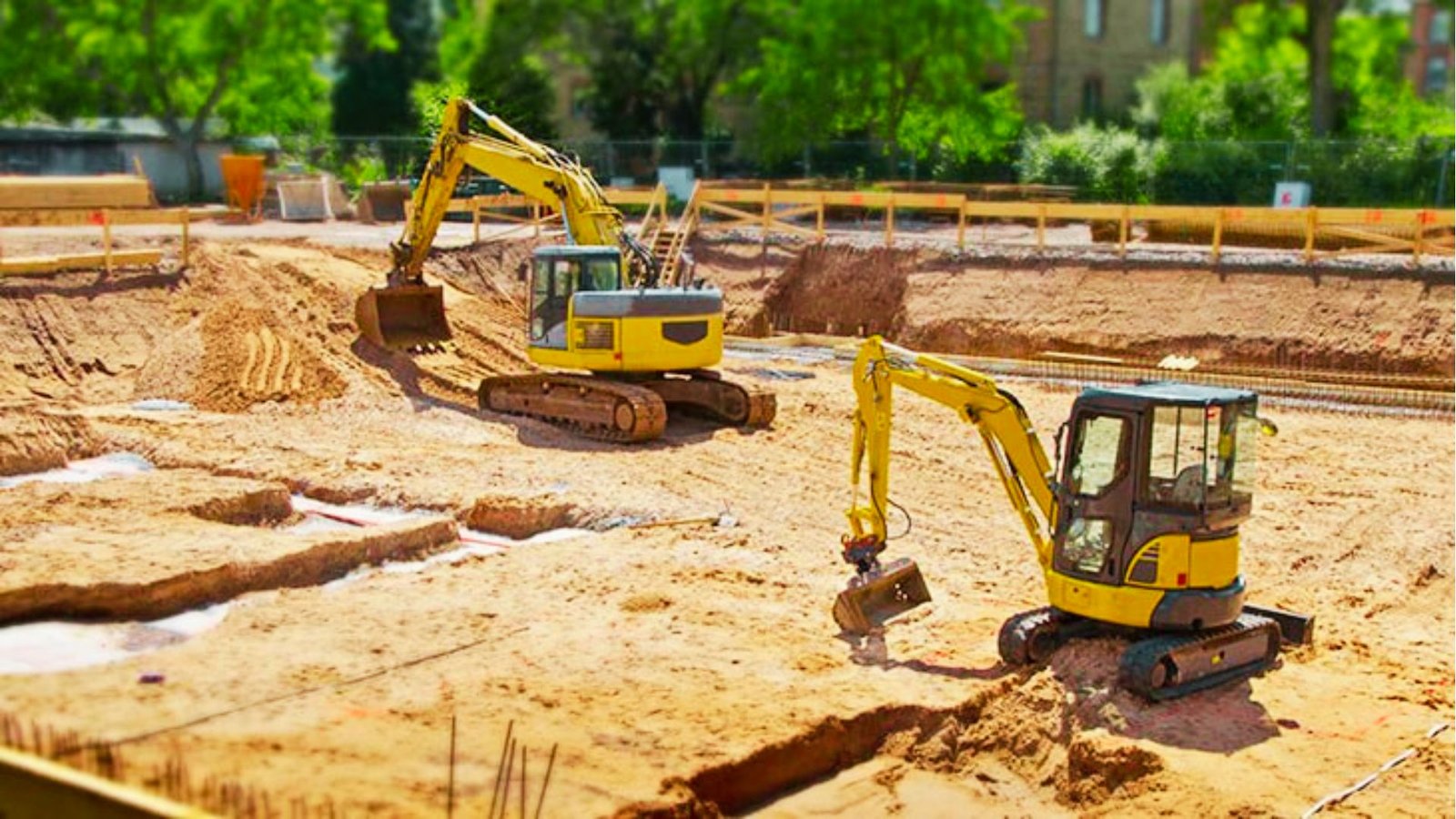
Engineers and designers create a detailed plan showing where buildings, roads, drainage, and utilities will go. It follows zoning laws and guides every crew on site.
Step 6: Drainage and Erosion Control

Silt fences, sediment traps, and drainage channels manage water flow and protect the soil. This keeps the site safe during construction and meets environmental rules.
Step 7: Grading and Soil Compaction

The land gets reshaped for proper slopes, then compacted to remove air pockets. This creates a firm, level surface that supports the structure long term.
Step 8: Utility Installation and Access Roads

Underground lines for water, sewer, and electricity go in at this stage. Access roads are built so heavy equipment can move safely, keeping the project on schedule.
How Long Does Site Preparation Take?
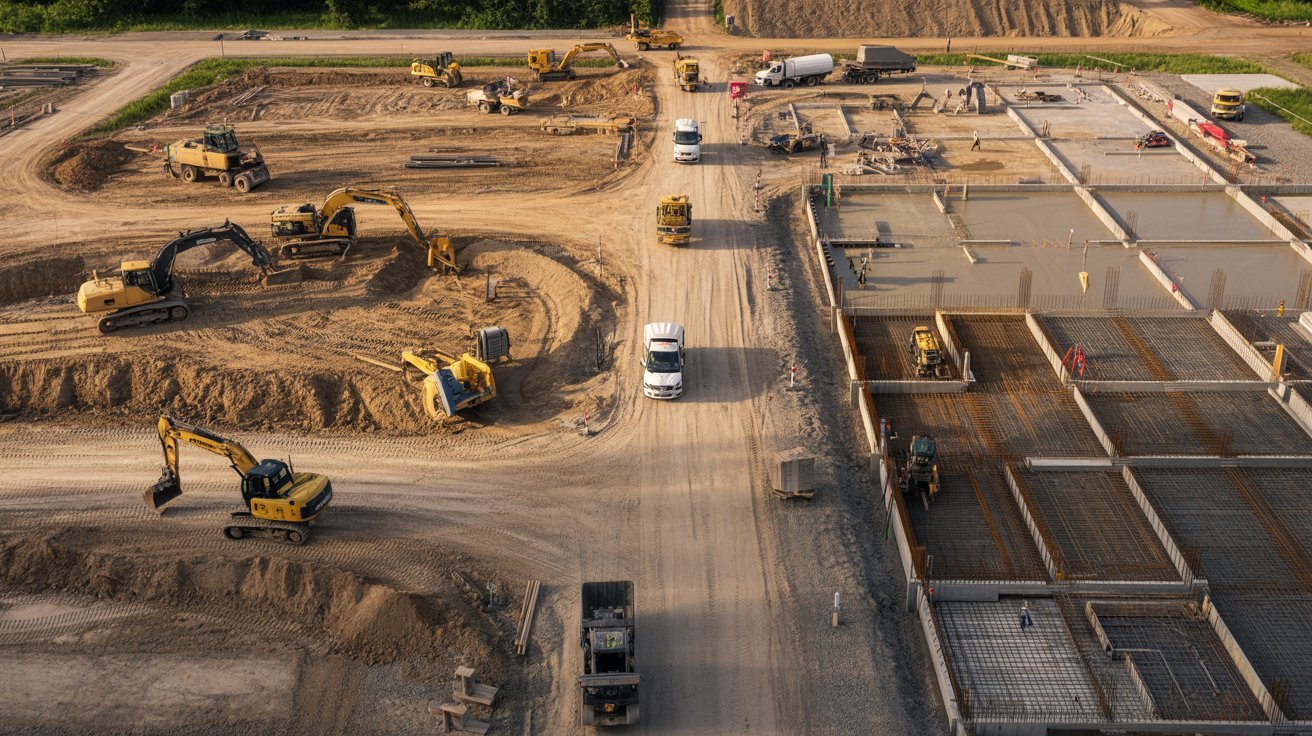
Site preparation time depends on the size, condition, and complexity of the land being prepared.
The time it takes to prepare a site can range from a few days to several weeks. A small, clear residential lot may only need 3 to 7 days of work. A larger or more complex site can take anywhere from 3 to 12 weeks.
Key factors that affect the timeline include land size, soil conditions, clearing needs, grading work, and utility installations. Waiting on permits and inspections can also add time to the schedule.
Weather plays a big role too, as rain or frost can slow down soil work and compaction. The best way to get a clear timeline is to talk with your contractor before work begins.
A reliable contractor will walk you through the expected schedule and flag anything that could cause delays.
What Does Site Preparation Cost?

Site preparation costs depend on the size, condition, and location of your land.
Site preparation costs can range from $1,500 to $5,000 for a basic residential lot. Larger or more complex projects can go beyond $10,000. Land clearing runs about $1,500 to $3,000 per acre, while grading and leveling typically costs $500 to $2,000.
Soil testing is fairly affordable at $10 to $150, but excavation can add $50 to $200 per cubic yard.
Tree and stump removal brings additional costs of $250 to $1,900 depending on the number and size. Utility trenching for water, sewer, and electrical lines can add another $1,000 to $5,000.
Rocky soil, wet ground, steep slopes, and local permit fees can all push the total higher. Getting a few quotes from local contractors helps you get a realistic number for your specific lot.
Tips for Successful Site Preparation
These simple steps can save you from costly mistakes and keep your project on track from day one.
- Clear and Clean the Area Remove all debris, rocks, and old vegetation before starting. A clean space makes the work safer and more efficient.
- Test and Understand Your Soil Check soil type and condition early. Some soils need extra materials for proper drainage and structural support.
- Mark All Utility Lines Always locate underground pipes, cables, and wires before digging. Contact your local utility service to get everything properly marked.
- Grade and Level the Ground Flatten and slope the land correctly using proper tools. Water should always flow away from the structure to avoid damage.
- Get the Right Permits Check local building codes and permit requirements before breaking ground. Skipping this step can lead to costly delays and legal issues.
Conclusion
Site preparation might not be the most exciting part of a project, but trust me, it makes all the difference. I learned this the hard way after skipping proper drainage planning once. It cost me double the time to fix it later.
Take these steps seriously before breaking ground. A little planning upfront saves a lot of stress down the road.
Have you worked on a site preparation project before? Drop your experience in the comments below and help others learn from your story!
Frequently Asked Questions
What is site preparation and why does it matter?
Site preparation is the process of getting land ready before construction or landscaping begins. Skipping it can lead to serious structural and drainage problems later.
How long does site preparation usually take?
The time depends on the size and condition of the land. Small projects may take a day, while larger ones can take several weeks.
Do I need a permit for site preparation work?
In most areas, yes. Always check your local building codes before starting any ground work to avoid fines or project delays.
What equipment is commonly used for site preparation?
Tools like excavators, plate compactors, and grading machines are commonly used. The right equipment depends on the size and type of your project.
Can I do site preparation on my own or do I need a professional?
Small and simple projects can be handled personally with the right tools and knowledge. Larger or more complex sites are better managed by an experienced professional.