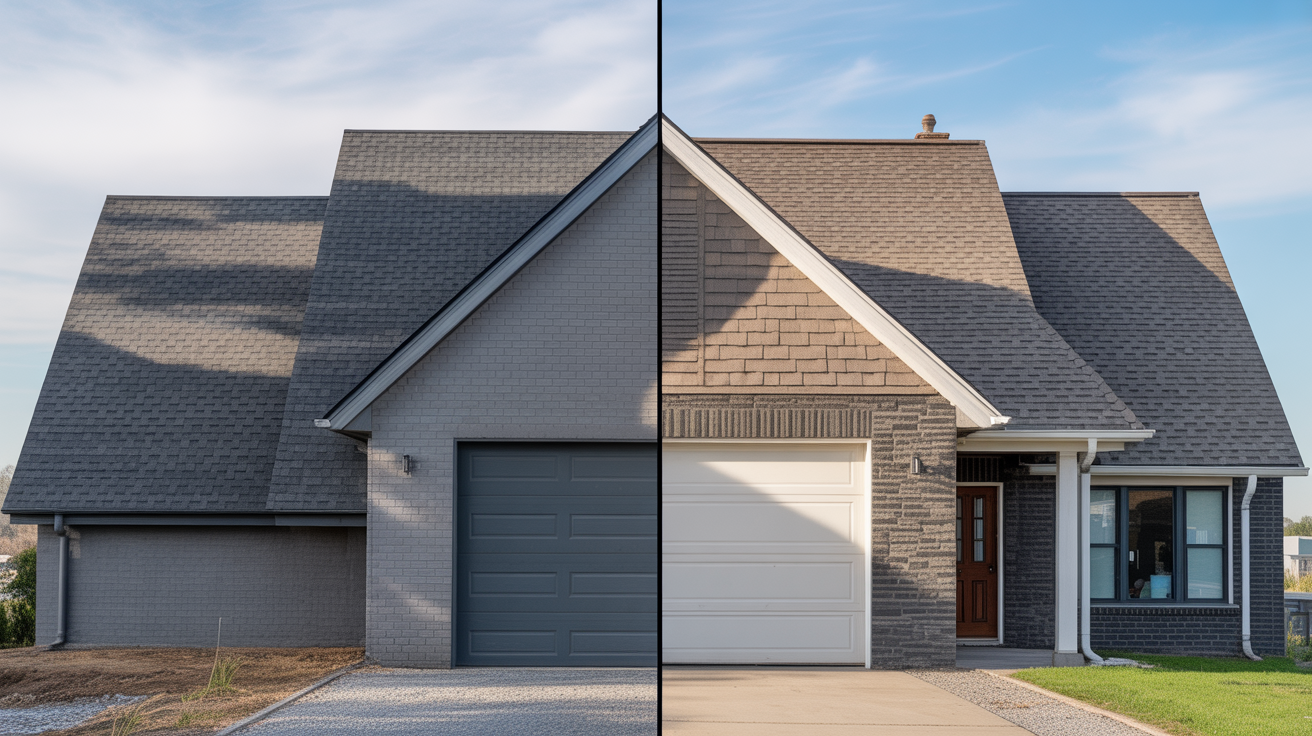
Choosing between 3 tab vs architectural shingles can feel confusing, especially when your roof affects both your budget and your home’s look.
In this blog, I’ll walk you through what each shingle type is, how they differ in cost, durability, and weather performance, and which one suits your home best.
By the end, you’ll have a clear answer. No guesswork. No overwhelm. Just honest, practical information you can actually use.
Understanding the Difference Between 3-Tab and Architectural Shingles
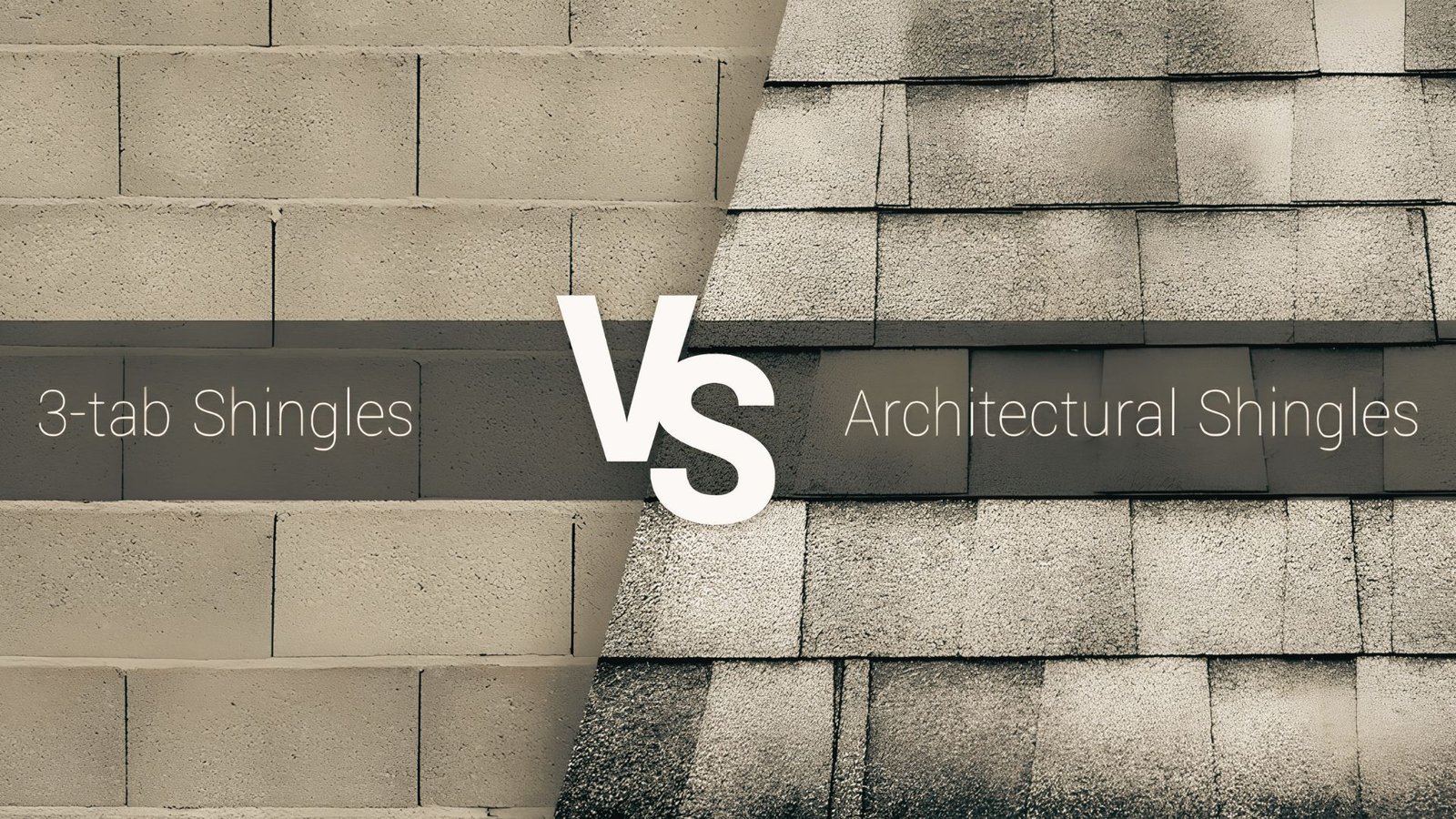
Not all shingles are the same. At first glance, they may look similar on a store shelf. But once installed, the differences become very clear.
The gap between them goes beyond looks. It covers lifespan, cost, weight, and performance in bad weather.
Understanding these differences helps you make a smarter roofing choice, one that fits your home, your budget, and your local climate.
I always tell homeowners: the right shingle is not always the cheapest one. It is the one that gives you the best return over time.
What Are 3-Tab Shingles?
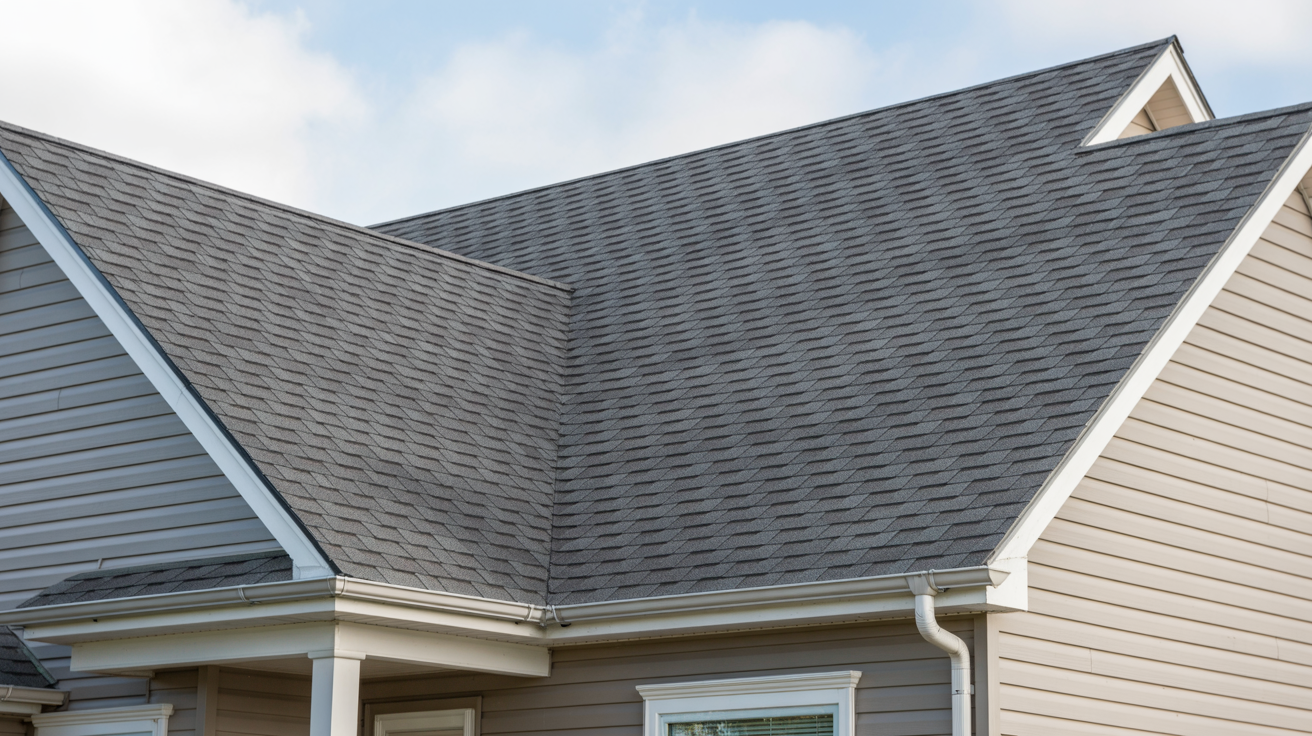
3-tab shingles are one of the oldest and most common roofing materials in North America. They get their name from the three equal-sized tabs cut into the bottom edge of each shingle strip.
How 3-Tab Shingles Are Made
Each 3-tab shingle is a single flat layer of asphalt-coated fiberglass mat.
The surface is covered with mineral granules that protect against UV rays and light weather. Because there is only one layer, the shingle lies flat against the roof deck
Main Features of 3-Tab Shingles
- Flat and uniform appearance: Every shingle looks the same. The roof has a clean, consistent pattern across the surface.
- Lightweight design: Because they are made from a single layer, they are lighter than architectural shingles. This puts less stress on the roof structure.
- Lower upfront cost: 3-tab shingles cost less per square than dimensional options, making them popular for budget-focused projects
Pros and Cons of 3-Tab Shingles
Pros:
- Budget-friendly option: They are one of the most affordable asphalt shingles on the market.
- Easier installation: The flat, uniform shape makes them faster to install, which can lower labor costs.
Cons:
- Shorter lifespan: Most 3-tab shingles last 15 to 20 years, compared to 25 to 30 years for architectural shingles.
- Lower wind resistance: They are typically rated for winds up to 60 to 70 mph, which may not be enough in storm-prone areas.
What Are Architectural Shingles?
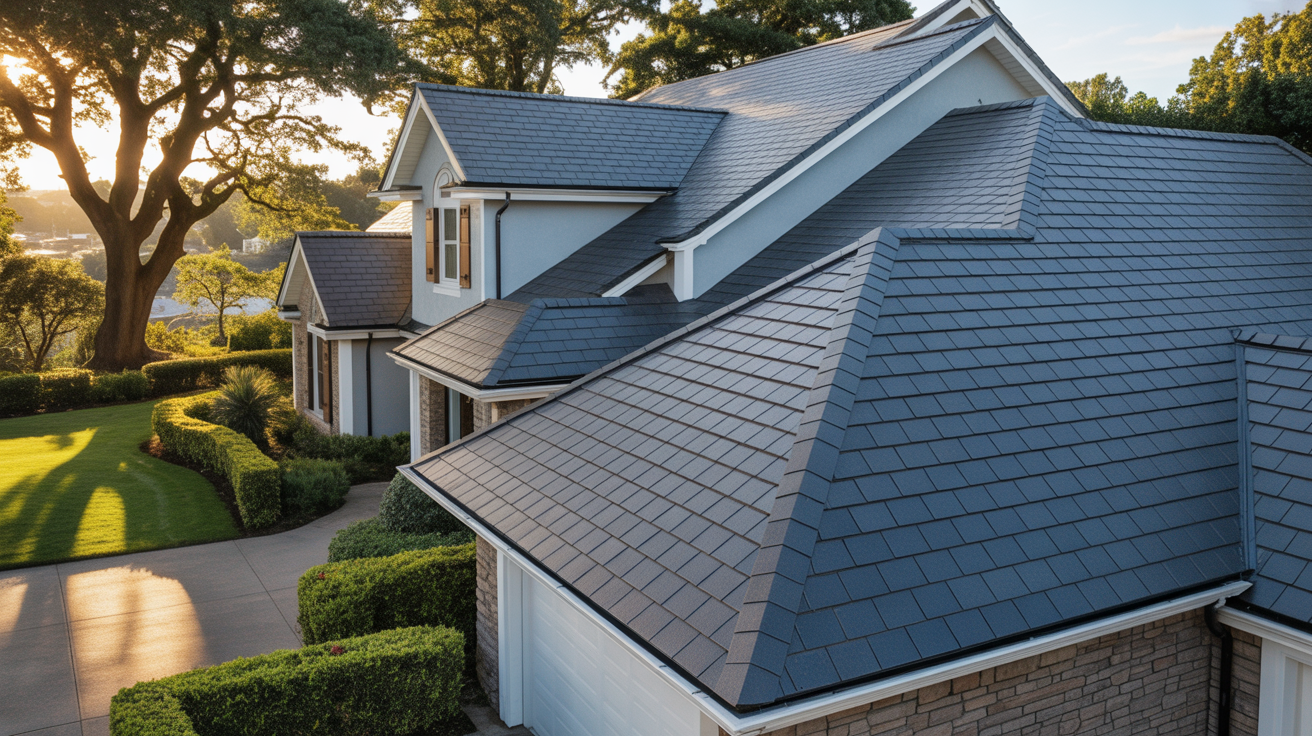
Architectural shingles have become the most popular roofing material for homes across the United States. They offer a thicker, more layered look and perform better in tough weather conditions.
How Architectural Shingles Are Constructed
Unlike 3-tab shingles, architectural shingles are built from two or more layers of asphalt bonded together.
This multi-layer design creates the raised, dimensional appearance that makes them stand out. The added thickness also makes them heavier and more durable.
Main Features of Architectural Shingles
- Dimensional roof appearance: The layered build creates shadow lines and depth that make a roof look more textured and high-end.
- Better durability: The extra layers mean more resistance to cracking, curling, and everyday wear.
- Stronger weather protection: Architectural shingles are built to handle heavier rain, stronger winds, and temperature swings better than 3-tab shingles.
Pros and Cons of Architectural Shingles
Pros:
- Longer service life: They typically last 25 to 30 years, with some premium lines going up to 50 years.
- Better curb appeal: The dimensional look adds visual depth that many buyers find more appealing.
Cons:
- Higher material cost: They cost more per square than 3-tab shingles, sometimes 20 to 40% more.
- Heavier roofing system: The added weight requires a roof structure that can support the load, which may need to be verified before installation.
3 Tab vs Architectural Shingles: Major Differences
Here is a side-by-side breakdown that makes it easy to compare the two options at a glance.
| Feature | 3-Tab Shingles | Architectural Shingles |
|---|---|---|
|
Appearance and Roof Style |
Flat, uniform, single-level look |
Layered, textured, dimensional look |
|
Lifespan Comparison |
15–20 years |
25–30+ years |
|
Wind Resistance |
Up to 60–70 mph |
Up to 110–130 mph |
|
Hail and Impact Resistance |
Lower resistance, more prone to damage |
Higher resistance, some rated Class 4 |
|
Weight and Roof Structure |
Lighter, around 225–240 lbs per square |
Heavier, around 400–430 lbs per square |
|
Warranty Coverage |
20–25 year limited warranty |
30–50 year limited warranty |
Cost Comparison Between 3-Tab and Architectural Shingles
Cost is one of the biggest factors for most homeowners. Here is how the two shingle types compare across material costs, installation, and long-term value.
| Cost Factor | 3-Tab Shingles | Architectural Shingles |
|---|---|---|
|
Material Costs |
$70–$100 per square |
$100–$150 per square |
|
Installation Costs |
Lower labor cost due to simpler install |
Slightly higher labor due to weight and layering |
|
Long-Term Value |
Lower upfront, but more replacements over time |
Higher upfront, but fewer replacements and repairs |
Which Shingle Type Performs Better in Harsh Weather?
Your local climate plays a big role in which shingle you should choose. Here is how both types hold up in different weather conditions.
Heavy Rain and Moisture Protection
When it comes to water resistance, architectural shingles have a clear edge. Their thicker, multi-layer construction sheds water more effectively and creates fewer gaps where moisture can sneak through.
3-tab shingles are more prone to lifting at the edges over time. This raises the risk of leaks, wood rot, and mold.
If you live in a region with frequent heavy rain, architectural shingles offer better long-term protection.
Snow and Ice Performance
In colder climates, freeze-thaw cycles put stress on roofing materials. Water expands as it freezes, which can cause shingles to crack or loosen.
Architectural shingles hold up better through these cycles because of their added thickness and better granule adhesion. They are less likely to develop cracks from temperature swings.
3-tab shingles, while still usable in cold climates, have lower cold-weather durability and may need more frequent repairs after harsh winters.
Hot Climate Performance
In hot, sunny regions, UV exposure is a major concern. Over time, UV rays break down the asphalt and cause granules to loosen.
3-tab shingles have a thinner surface, so granule wear happens faster. Once granules are gone, the shingle loses its ability to reflect heat and protect the roof below.
Architectural shingles have more granule surface area and thicker asphalt layers, making them more resistant to heat and UV damage over time.
Maintenance Requirements for Both Roofing Options
All roofs need regular care, but some need more attention than others. Knowing what each shingle type requires helps you plan and budget for upkeep.
Common Roof Maintenance Tasks
Good roof maintenance is mostly consistent across both shingle types:
- Annual inspections: A yearly check helps catch small issues before they become costly repairs. Look for missing shingles, damaged flashing, and signs of wear.
- Gutter cleaning: Clogged gutters push water back under the roofline. Cleaning them twice a year protects both the shingles and the roof deck.
- Replacing damaged shingles: Any shingle that is cracked, curling, or missing should be replaced as soon as possible to prevent water infiltration.
Which Roof Needs More Repairs?
3-tab shingles tend to need more repairs over their lifetime. Here is why:
- Granule loss: 3-tab shingles have a thinner granule layer, so they lose granules faster. This exposes the asphalt beneath and speeds up wear.
- Cracking and curling issues: The single-layer design is more likely to crack in cold weather and curl at the edges in heat. Both issues allow water and wind to get under the shingle.
- Storm-related repairs: Because 3-tab shingles have lower wind and impact resistance, they are more likely to be damaged during storms, leading to more frequent repair calls.
Architectural shingles are more resilient in all three areas, which means lower overall maintenance costs over time.
3 Tab vs Architectural Shingles for Home Value
Your roof does more than protect your home. It also affects how buyers see your property and what you can get for it when you sell.
Impact on Resale Value
Buyer perception matters when selling a home. A roof with architectural shingles signals quality and longevity to potential buyers. Most buyers and real estate agents recognize the difference in appearance.
Homes with 3-tab shingles may not stand out as much in a competitive market, especially if the shingles are older or showing wear.
If you are planning to sell in the next 5 to 10 years, upgrading to architectural shingles can make your home more attractive without a massive investment.
Insurance Benefits
Some insurance companies offer premium discounts for homes with impact-resistant roofing materials.
Class 4 impact-resistant shingles, which fall under the architectural shingle category, can qualify for discounts of up to 20 to 30% on your homeowner’s insurance in some states.
This is worth asking your insurer about before making a final decision. Over 20 to 30 years, those savings can add up to a meaningful amount.
Conclusion
I’ve worked through roofing decisions with many homeowners, and I can tell you that 3 tab vs architectural shingles comes down to what fits your life right now and your plans for the future.
If budget is the priority, 3-tab works. But if you want durability and fewer headaches long-term, architectural shingles are worth it.
I personally lean toward the better-built option whenever possible.
Have questions or made your choice already? Drop a comment below or share this with someone replacing their roof soon.
Frequently Asked Questions
Are architectural shingles worth the extra cost?
Yes, for many homeowners they are. They last longer, handle storms better, and usually need fewer repairs over time.
Do 3-tab shingles still work for modern homes?
Absolutely. They are still a practical choice for smaller homes, rental properties, or homeowners working within a tight budget.
Which shingles are better for windy areas?
Architectural shingles perform much better in high winds because they are thicker and have stronger wind ratings.
Can I replace 3-tab shingles with architectural shingles later?
Yes, many homeowners upgrade when it is time for a roof replacement. Just make sure your roof structure is in good condition before installation.
Which roof style looks better from the street?
Most people prefer the textured, dimensional appearance of architectural shingles because they give the home a more finished and premium look.