If you have ever stood in a hardware store staring at building blocks and wondering what the difference is, you are not alone.
Most people use the terms cinder block and concrete block like they mean the same thing. They do not.
I have worked on enough home projects to know that picking the wrong block can cost you time, money, and headaches.
In this blog, I will break down the real differences between these two block types, covering strength, cost, weight, and best uses.
By the end, you will know exactly which one to pick for your project.
Cinder Block vs Concrete Block: Quick Overview
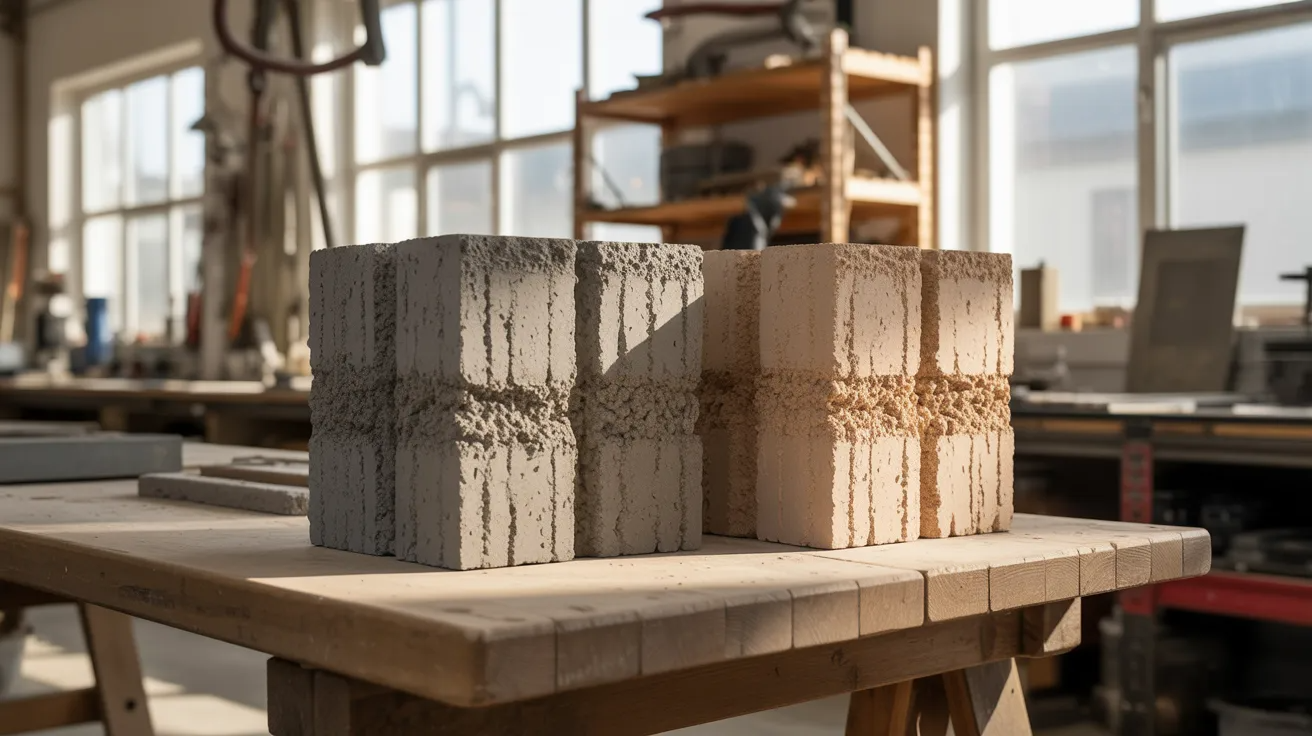
These two blocks look similar but are made from different materials and perform differently on a job site.
A cinder block is made using coal cinders or ash as the aggregate. It is an older building material that was widely used before the 1950s. It is lighter but also weaker compared to its counterpart.
A concrete block, also called a CMU (Concrete Masonry Unit), is made using sand, gravel, water, and Portland cement. It is denser, heavier, and much stronger.
Most modern construction now uses concrete blocks because they meet current building codes and load-bearing standards.
The confusion between the two is understandable. They look almost the same. But their makeup, performance, and best uses are quite different.
Knowing which one is which helps you make smarter choices before any construction begins.
Main Differences Between Cinder Blocks and Concrete Blocks
Knowing what sets these two apart helps you pick the right block for the job.
Composition and Materials
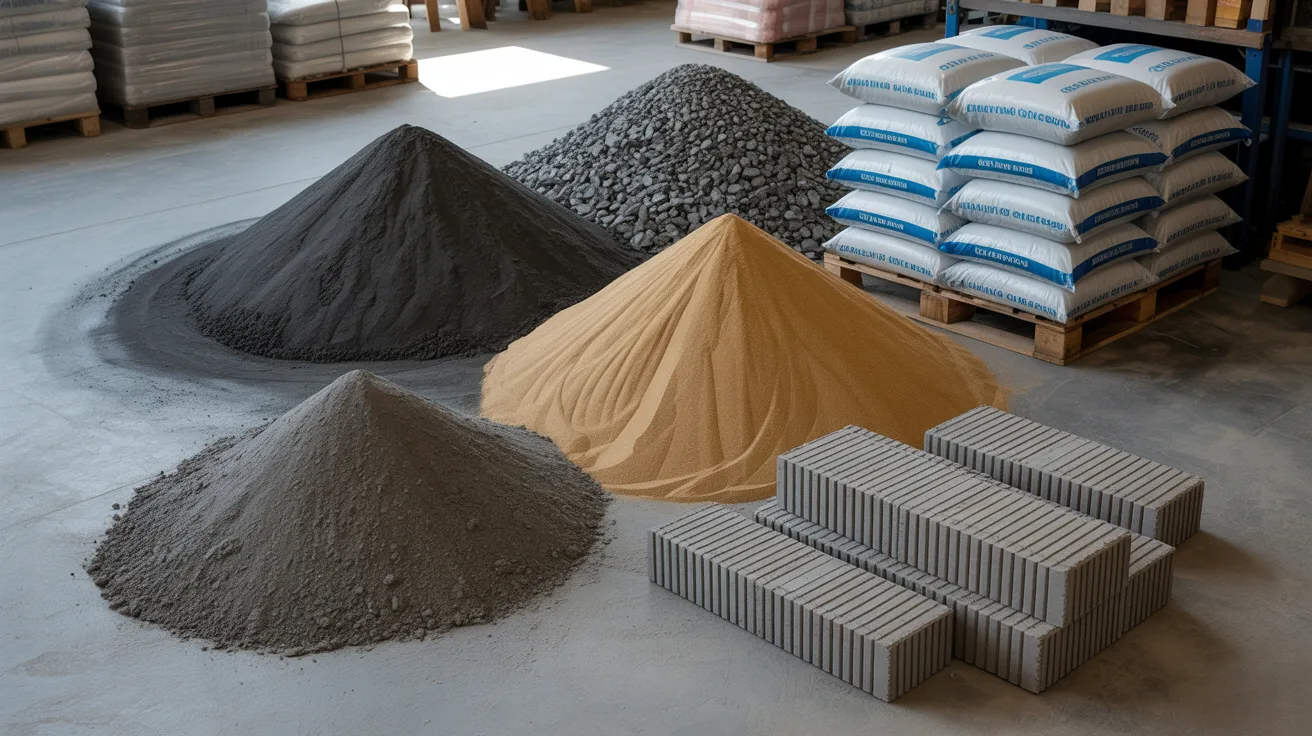
The biggest difference between these two blocks is what goes inside them.
Cinder blocks use fly ash or coal cinders as the main aggregate. This was a smart recycling method back when coal burning was common.
The ash was mixed with cement and water to form blocks.
The result was a lighter block that worked fine for low-load structures.
Concrete blocks use Portland cement, sand, and crushed stone or gravel. This combination creates a denser, more solid material.
The mix is carefully controlled to meet strength requirements for modern construction.
Because of this difference in materials, concrete blocks are more consistent in quality.
Cinder blocks can vary a lot depending on the ash source used, which makes them less reliable for structural work today.
Strength and Durability
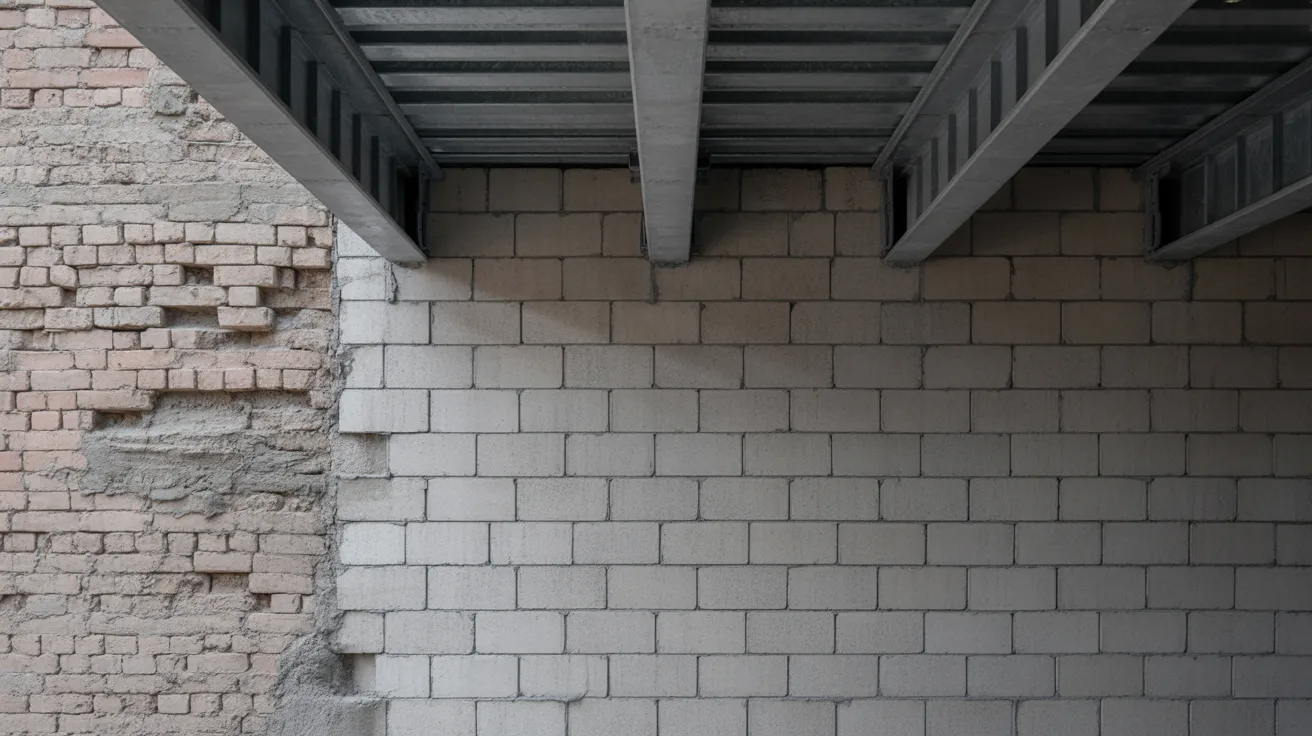
Concrete blocks are significantly stronger than cinder blocks.
A standard concrete block can handle compressive loads of around 1,900 psi or more. Cinder blocks typically fall well below that.
Cinder blocks are more porous. Over time, moisture seeps in and weakens the structure. They are also more likely to crack under pressure.
In areas with heavy rain or freeze-thaw cycles, cinder blocks can fail faster than concrete blocks.
For any load-bearing wall or foundation, concrete blocks are the safer choice. Most local building codes now require CMUs for structural applications.
Cinder blocks are generally not approved for below-grade or structural use anymore.
Weight and Handling

Here is where cinder blocks have a small advantage. Because of the lighter ash aggregate, cinder blocks weigh around 26 to 33 pounds each.
Concrete blocks typically weigh 35 to 50 pounds or more, depending on the size and density.
If you are building something by hand without heavy machinery, cinder blocks are easier to lift and place.
For DIY garden walls, small sheds, or decorative structures, that lighter weight saves your back.
However, for any serious construction, the added weight of concrete blocks is a sign of added strength. Do not let the heavier lift discourage you from using the right block for the job.
Cost Comparison
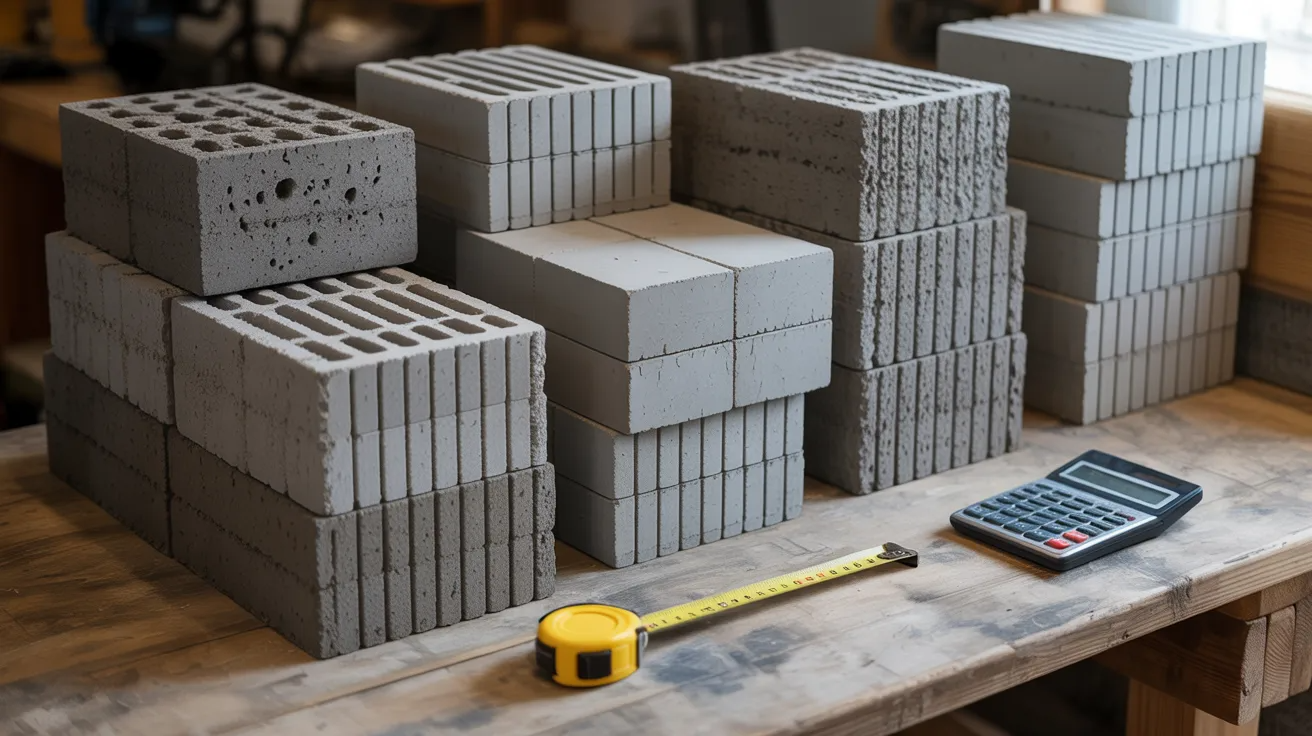
Cinder blocks are generally cheaper upfront. You can find them for a lower price per unit.
But here is the thing: they may cost more in the long run because they need more maintenance, crack more easily, and may need to be replaced sooner.
Concrete blocks cost a bit more per unit but hold up longer. For large construction projects, that durability pays off. You spend less on repairs and replacements over time.
For small decorative projects where strength is not a concern, cinder blocks can save you some money.
For anything that needs to last years without issues, concrete blocks are the smarter investment.
Best Uses for Each Block Type
Cinder blocks work well for:
- Garden bed borders
- Decorative backyard walls
- Small non-load-bearing structures
- Temporary or short-term builds
- Fire pits and outdoor landscaping projects
Concrete blocks work well for:
- Foundation walls
- Load-bearing walls in homes or commercial buildings
- Retaining walls
- Below-grade construction
- Any structure that must meet building codes
The rule of thumb is simple. If it needs to hold weight or last long, use concrete blocks. If it is for light, decorative, or temporary use, cinder blocks can get the job done.
Pros and Cons of Cinder Blocks
Cinder blocks work well for light, decorative builds, but they fall short when strength and durability matter.
| Pros | Cons |
|---|---|
|
Lighter and easier to handle |
Lower strength and load capacity |
|
Lower upfront cost |
More porous, absorbs moisture easily |
|
Good for decorative or non-structural use |
Not approved for most structural builds |
|
Easy to cut and shape |
Prone to cracking under pressure |
|
Widely available |
Less consistent in quality |
Pros and Cons of Concrete Blocks
Concrete blocks cost more upfront, but they deliver the strength and longevity that serious construction demands.
| Pros | Cons |
|---|---|
|
High compressive strength |
Heavier and harder to handle |
|
Durable and long-lasting |
Higher upfront cost |
|
Approved for structural and load-bearing use |
Requires more effort to cut |
|
Resistant to moisture when sealed |
Needs proper sealing for below-grade use |
|
Consistent quality and manufacturing standards |
Heavier shipping and transport costs |
Cinder Block vs Concrete Block: Which Should You Choose?
The answer depends on what you are building and what you need from the block.
If you are putting up a foundation, retaining wall, or any load-bearing structure, go with concrete blocks. They are built to handle weight and last for decades.
Most building codes require them for structural work, so this is not really a choice in professional settings.
If you are building a garden wall, backyard fire pit, or a temporary structure, cinder blocks work just fine. They are lighter, cheaper, and easier to move around.
Just make sure the structure does not need to carry any real load.
One more thing to keep in mind: availability.
True cinder blocks are harder to find today because coal production has dropped. Many stores label their blocks as cinder blocks when they are actually concrete blocks.
Conclusion
Honestly, I used to mix these two up myself until I started paying closer attention to material specs.
Once I understood the difference, my building choices got a lot smarter. Cinder blocks have their place, but for anything serious, concrete blocks are the way to go.
Think about your project, your budget, and how long you need the structure to last. That will point you to the right block every time.
Found this helpful? Drop a comment below or share it with someone planning a build.
Frequently Asked Questions
Are cinder blocks still made today?
True cinder blocks are rare now since coal ash is less available, so most modern blocks sold are concrete blocks.
Can I use cinder blocks for a retaining wall?
It is not recommended since cinder blocks are weaker and more likely to crack under soil pressure over time.
Which block is better for a garden bed?
Cinder blocks work fine for garden beds since they are lightweight and do not need to carry structural loads.
Do concrete blocks need to be sealed?
Yes, sealing concrete blocks helps prevent moisture from seeping in, especially for below-grade or outdoor applications.
Are concrete blocks more fire-resistant than cinder blocks?
Yes, concrete blocks offer better fire resistance because they are denser and made from more heat-stable materials.