I have seen a lot of homes with cracked brick walls. Most homeowners brush them off as cosmetic issues.
But step cracks in brick can be an early warning sign of something more serious going on beneath the surface.
In this blog, I will cover what step cracks are, what causes them, when they become a real problem, and how they get fixed.
I have spent years writing about home repair topics, and my goal here is simply to help you figure out what you are dealing with before it gets worse.
Read this before you ignore that crack any longer.
What Are Step Cracks in Brick?
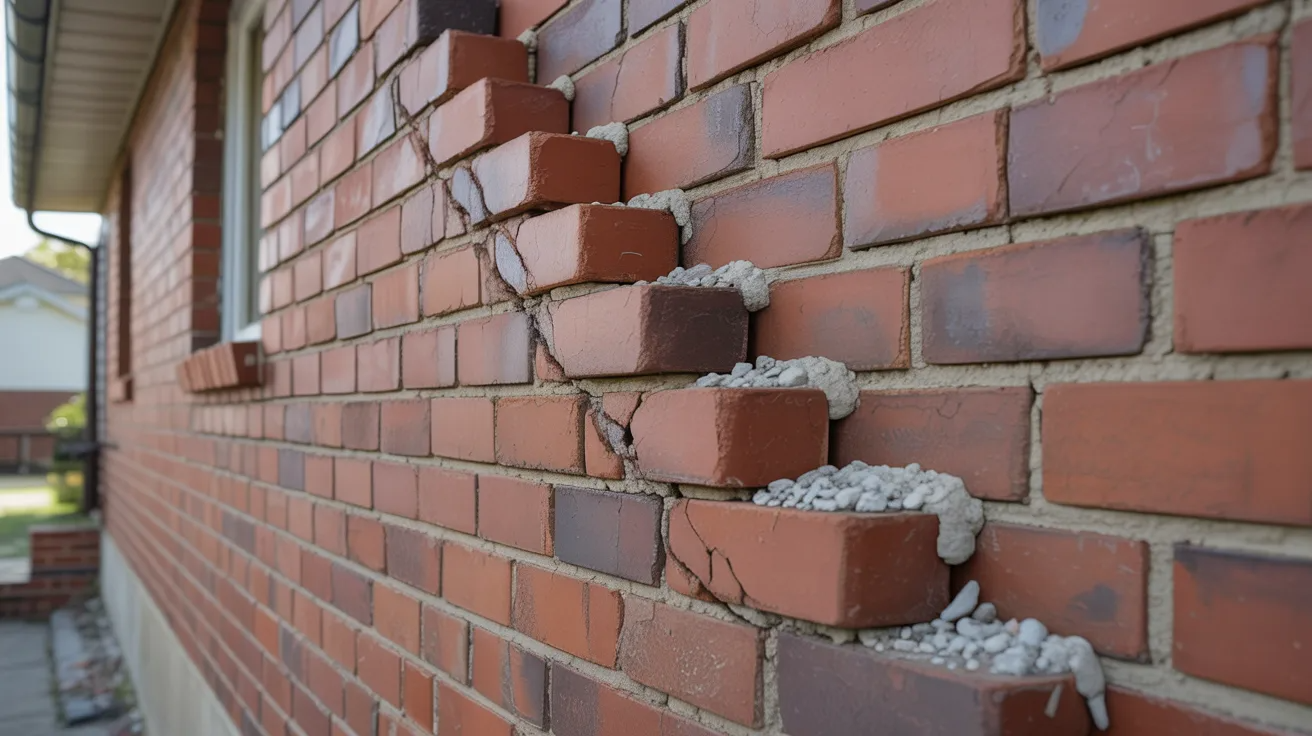
Step cracks are diagonal cracks that run along the mortar joints in a brick wall. They move in a stair-step pattern, going from one brick to the next at roughly a 45-degree angle.
That shape is what gives them their name.
You will usually spot them near the corners of windows, doors, or along the edges of a building.
Unlike straight vertical or horizontal cracks, step cracks follow the mortar lines. This makes them easy to identify once you know what to look for.
Not every step crack is a major problem. Small, hairline cracks can appear as a house settles over time.
But wider cracks, cracks that keep growing, or cracks showing up alongside other warning signs need a closer look.
I have seen homes where small step cracks were left alone for years.
By the time the homeowner called someone, the damage had spread much further than it needed to.
What Causes Step Cracks?

Step cracks do not appear without a reason. The most common causes are foundation movement, soil problems, and weak mortar. Here is a breakdown of each.
Foundation Settlement
Every home settles a little after it is built. That is normal. But when one part of the foundation settles more than another, the brick wall above it gets pulled in opposite directions.
That uneven pressure creates step cracks along the mortar joints.
Older homes are more prone to this. Soft or clay-heavy soil beneath the foundation can compress over time.
Slow, minor settlement may result in small cracks. But fast or uneven settlement can lead to serious structural damage if left unaddressed.
Soil Movement and Water Damage
Water is one of the biggest causes of foundation problems. When soil absorbs too much water, it expands.
When it dries out, it contracts. This constant movement puts stress on the foundation and the brick walls above it.
Poor drainage makes this worse. If water pools near the base of your home after rain, the soil stays wet for too long. Over time, this weakens the ground underneath.
Tree roots near your home can also shift the soil and put added pressure on foundation walls.
Weak Brick or Mortar Support
Sometimes the problem is not the foundation at all. Old or low-quality mortar can crack and crumble over time.
When mortar loses its strength, it can no longer hold the bricks together firmly. This allows slight shifting in the wall, which shows up as step cracks.
Poor construction can also be a factor. If the original builder cut corners or used the wrong materials, the wall is more likely to crack down the line.
When Are Step Cracks a Serious Problem?
Not every step is a crisis. But some are. The key is knowing what to watch for.
A crack wider than 1/4 inch is usually a red flag. So is a crack that keeps growing, even slowly. If the bricks around the crack have shifted out of alignment, that is a sign of real movement.
You might also notice gaps forming between the brick and a window or door frame. These gaps mean the wall has moved out of position.
Cracks that open and close with the seasons suggest ongoing soil movement. Ignoring these will only let the problem grow.
If you see one crack, it might not be serious. But two or three cracks appearing in different spots at the same time is a pattern worth investigating right away.
Signs the Foundation May Be Failing

Here are other signs that your foundation may need attention:
- Doors or windows that stick or no longer close properly
- Floors that slope or feel uneven underfoot
- Gaps between the wall and the ceiling or floor
- Cracks along drywall seams inside the home
- Bowing or bulging basement walls
- Water seeping into the basement after heavy rain
- Gaps between bricks that were not there before
If you are seeing two or more of these signs along with step cracks, do not wait. Call a foundation expert as soon as possible.
How Step Cracks Are Repaired

The right repair depends on the cause and how bad the cracking is. Some fixes are simple. Others go deep. Here is what the most common repair options look like.
Cosmetic Brick Repairs
If the step crack is minor and the foundation is stable, a mason can repoint the mortar. This means removing the old, damaged mortar and filling in fresh material. It seals the crack and keeps water out.
This works well when the cracking has stopped and nothing is still moving. It will not help if the foundation is still shifting.
Fixing the surface without addressing the root cause is a short-term patch that will not hold.
Foundation Stabilization
When foundation movement is the cause, the repair goes deeper.
A foundation expert may use steel piers or helical piers, which are driven into stable soil below the problem area to stop further movement and support the foundation.
Wall anchors or carbon fiber straps may also be used to hold basement walls in place. These are installed from the inside and can stop bowing walls from getting worse over time.
Drainage Improvements
If water is driving the problem, fixing drainage around the home is a must. This might mean
regrading the soil so it slopes away from the house, installing gutters with longer downspout extensions, or adding a French drain system.
Without fixing the water issue, any repair to the bricks or foundation will fail again. The same damage will repeat.
When to Call a Foundation Expert
Minor cosmetic repairs can sometimes be handled with a local mason. But certain situations need a licensed foundation specialist.
Call an expert if:
- The crack is wider than 1/4 inch
- The crack is visibly growing over time
- Bricks or walls are shifting or bulging
- Multiple cracks are showing up in different areas
- Doors and windows are sticking or not closing
- Water is getting into the basement
Many foundation companies offer free or low-cost inspections. Getting a professional opinion early almost always saves money in the long run. The sooner you act, the smaller the repair.
Conclusion
Step cracks in brick are not something to put off dealing with. I have seen firsthand how small cracks can turn into big, expensive repairs when left alone too long.
If you spot step cracks on your home, look at the full picture. Check for the warning signs covered here and do not guess when you can get a professional assessment.
A small crack today does not have to become a big problem tomorrow. If this blog helped you, drop a comment below or share it with someone dealing with the same thing.
Frequently Asked Questions
Are step cracks in brick always a sign of foundation damage?
Not always. Small step cracks can come from normal settling, but wide or growing cracks need a professional check.
How wide does a step crack need to be before it is a problem?
Any crack wider than 1/4 inch is generally a warning sign that needs attention from an expert.
Can I fix step cracks in brick on my own?
Minor mortar repointing can be a DIY task, but anything related to foundation movement needs a licensed professional.
How quickly can step cracks get worse?
Water-related cracks can worsen fast, while settlement cracks may grow slowly over months or even years.
Does homeowner’s insurance cover step crack repairs?
It depends on the policy and cause. Sudden damage may be covered, but gradual settling is usually not included.