Flat roofs are practical and cost-effective. But without the right care, they can become a costly problem fast.
I have worked with homeowners who ignored small signs and ended up with major water damage. It is more common than you think.
This guide covers everything you need to know about flat roof construction, from planning and materials to step-by-step building and long-term maintenance. We will also go over common mistakes to avoid and simple tips to keep your roof in good shape for years.
With years of hands-on roofing knowledge, I am here to give you clear, straightforward answers so you can make smart decisions for your roof.
What Is Flat Roof Construction?
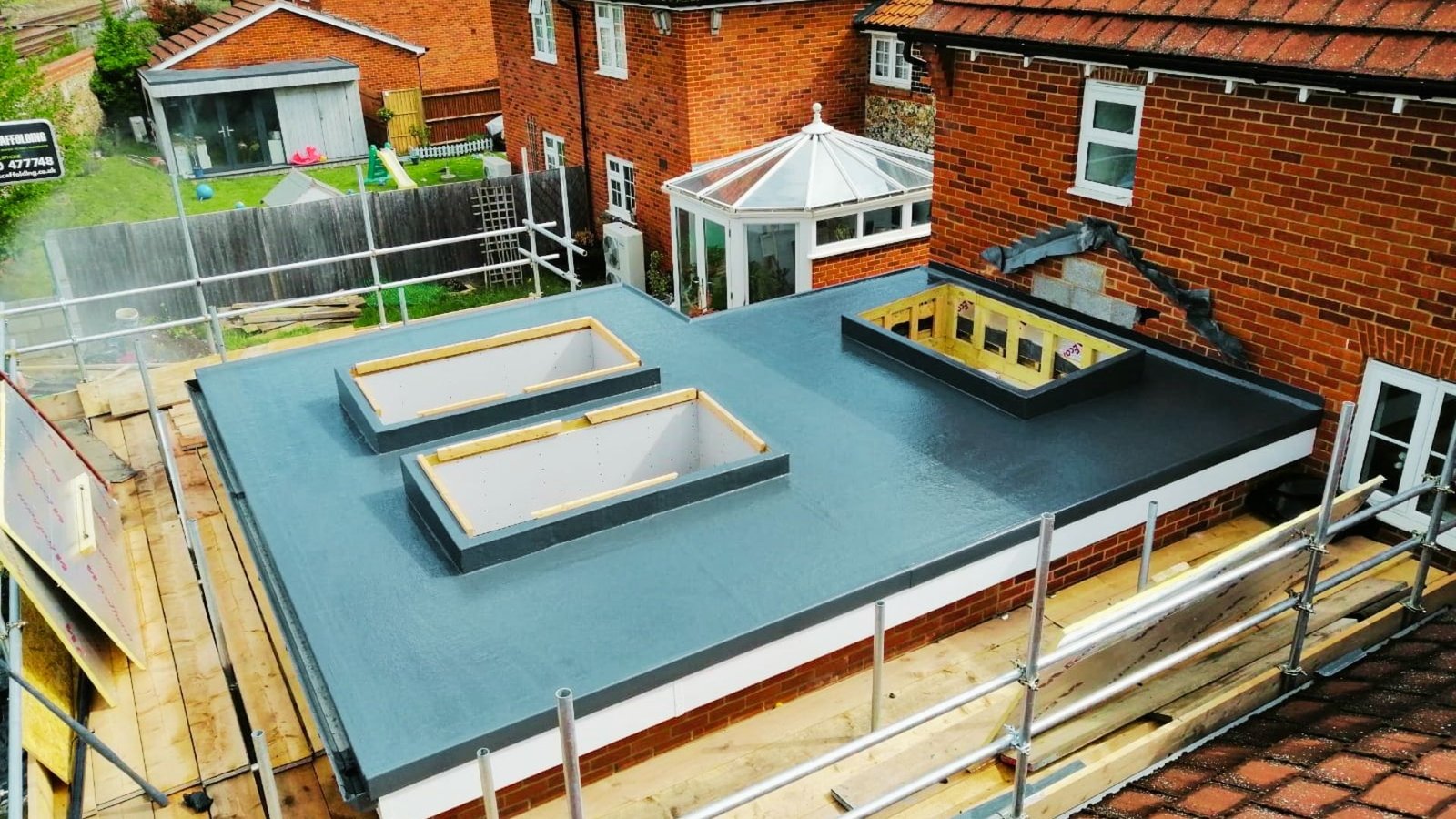
A flat roof has a very small slope, usually between 1 and 10 degrees, which helps water move toward drains instead of pooling on the surface.
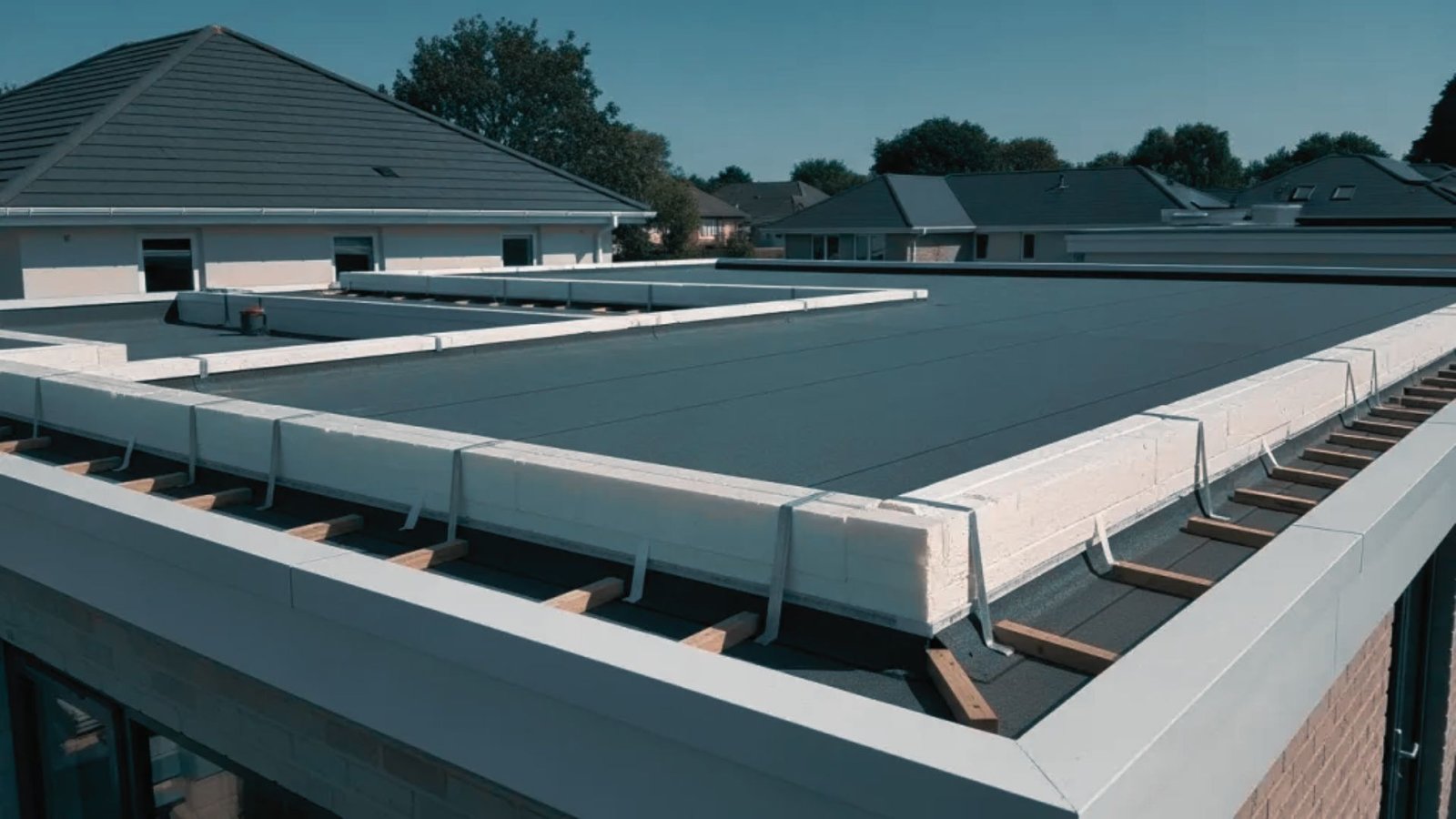
It is built in layers, starting with a structural deck, followed by a vapor barrier, insulation, and a waterproofing membrane made from materials like EPDM, TPO, or PVC.
Drainage is handled through interior drains, scuppers, or gutters, and without a proper drainage system, standing water can cause serious damage over time.
Flat roofs cost less to build than pitched roofs and offer usable rooftop space for solar panels, HVAC units, or gardens, but they do need regular maintenance to avoid issues like ponding water, membrane cracks, and blocked drains.
With proper care and quality installation, most flat roofs last between 15 and 30 years.
Planning for Flat Roof Construction
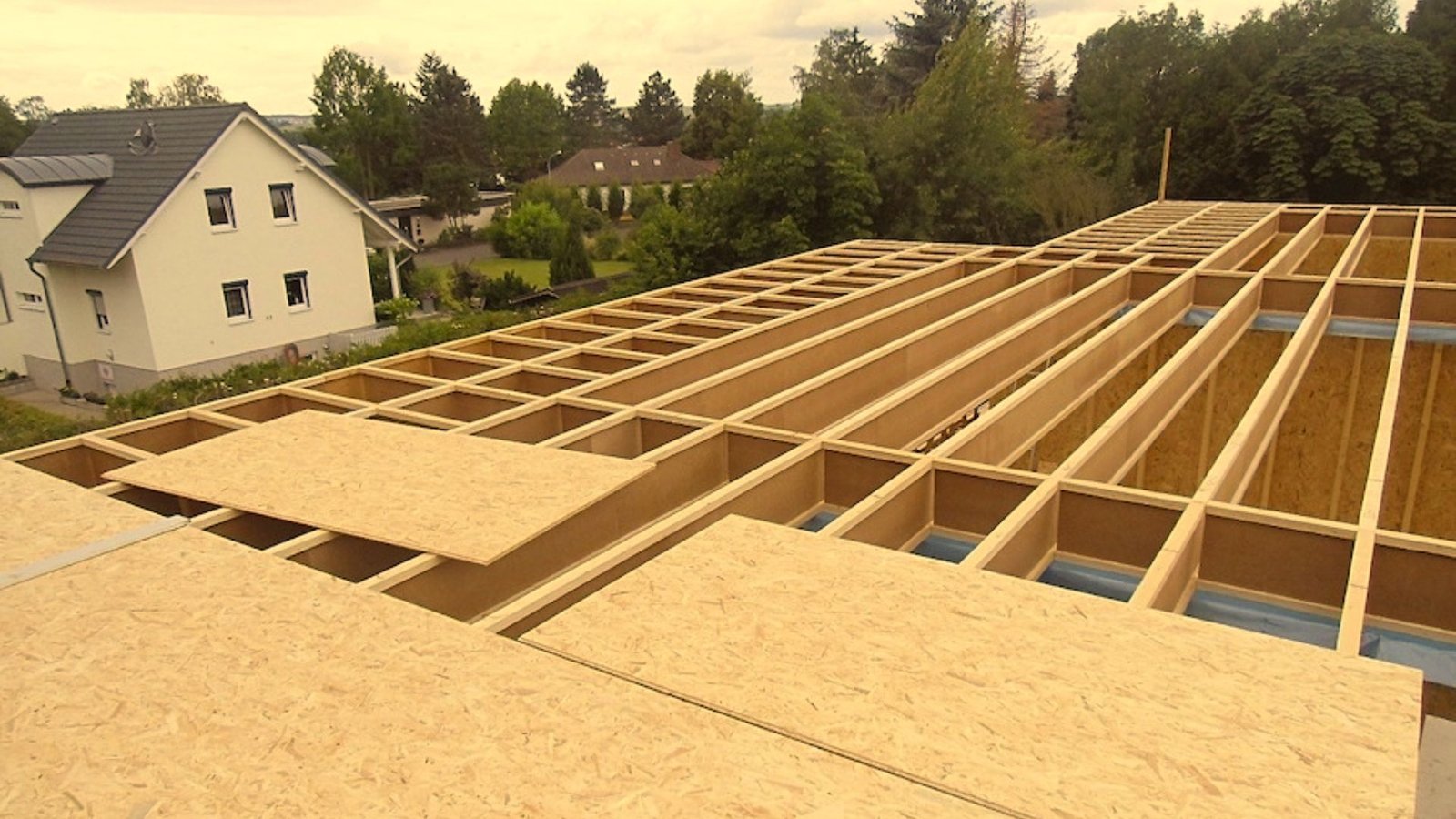
Flat roof construction needs careful planning. Good preparation helps you avoid costly mistakes later.
Building Codes and Permits
Check your local building codes before starting any flat roof project. Every region has its own rules, and skipping this step can lead to fines or forced removal of your work.
Most areas require a permit before construction begins. You will need to submit your roof plans to the local authority for review. Always keep copies of approved permits for future reference.
Drainage and Load Requirements
Flat roofs do not shed water the way sloped roofs do. Without proper drainage, water pools on the surface and causes damage over time.
Most flat roofs use internal drains, scuppers, or gutters. A slight slope of around 1 to 2 degrees is built into the design to help water flow toward drain points.
Your roof structure must also handle the weight of rain, snow, and rooftop equipment. A structural engineer can calculate the right load rating for your build.
Choosing Roofing Materials
The right material depends on your budget, climate, and roof use. EPDM rubber is affordable and flexible, working well in cold climates with a lifespan of up to 25 years.
TPO and PVC membranes reflect sunlight and help lower cooling costs in warm areas. Modified bitumen works well in regions with heavy rainfall due to its strong layered protection.
Always talk to a roofing professional before making a final decision.
Step-by-Step Flat Roof Construction Process
Building a flat roof takes careful planning and the right sequence of work.
Step 1: Frame the Roof Structure
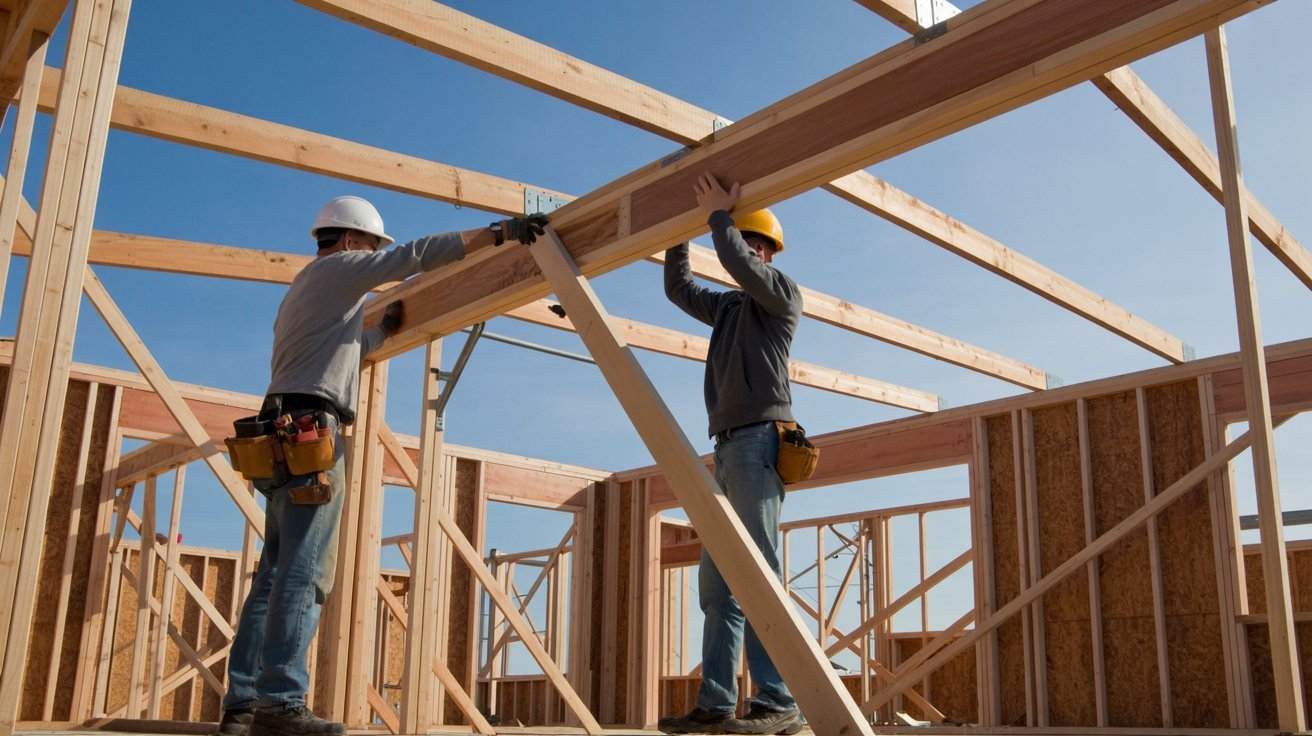
Start by installing beams or joists across the top of the walls, spaced evenly to spread the load. Flat roofs need a slight slope, around 1/4 inch per foot, so water drains properly instead of pooling.
Set this angle during framing and secure all connections with the right hardware.
Step 2: Install the Roof Deck
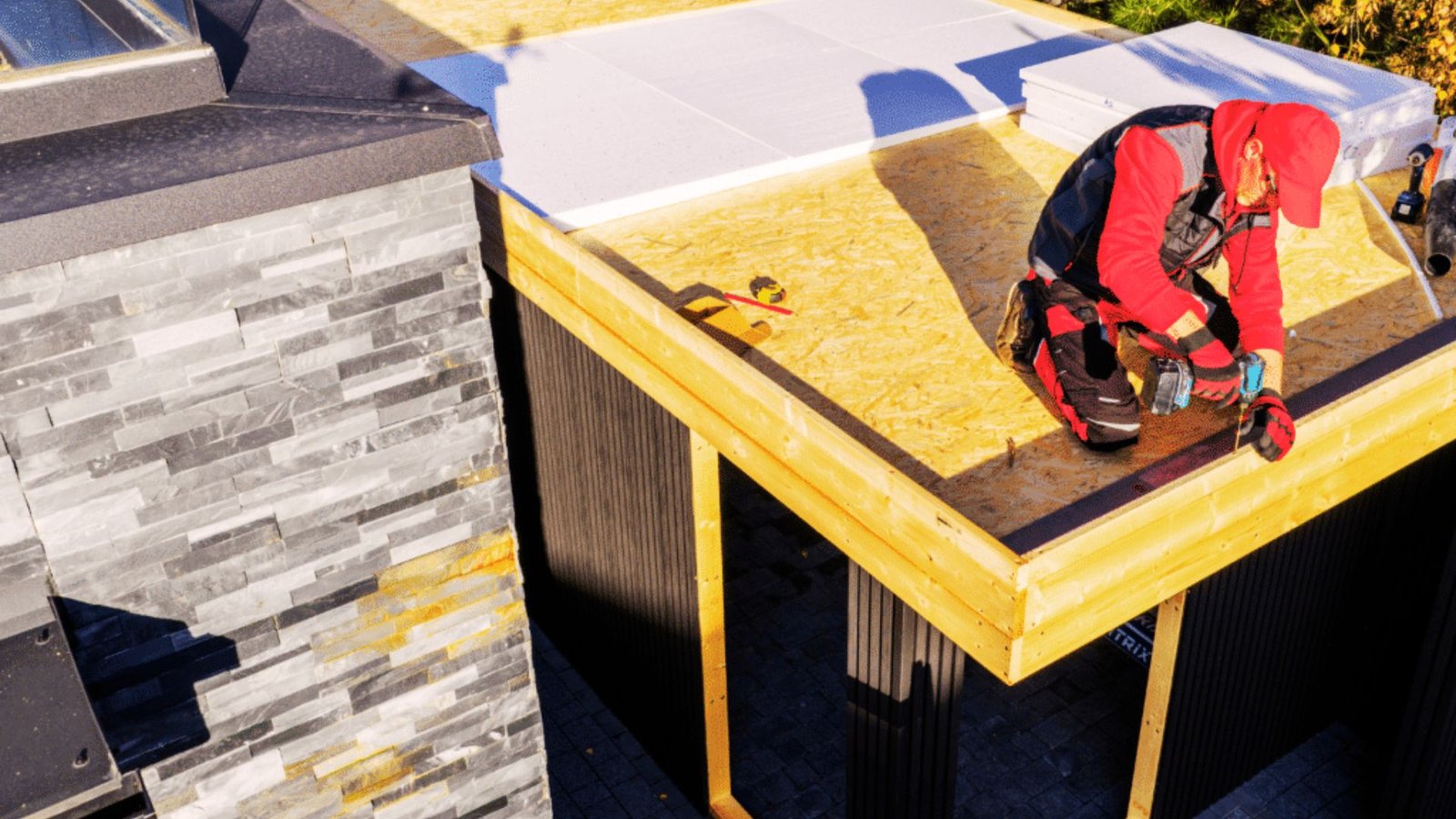
Lay plywood or OSB panels over the frame and fasten them down firmly. Leave a small gap between panels to allow for expansion.
Walk the surface afterward and fix any soft or uneven spots before moving on.
Step 3: Add Vapor Barrier and Insulation
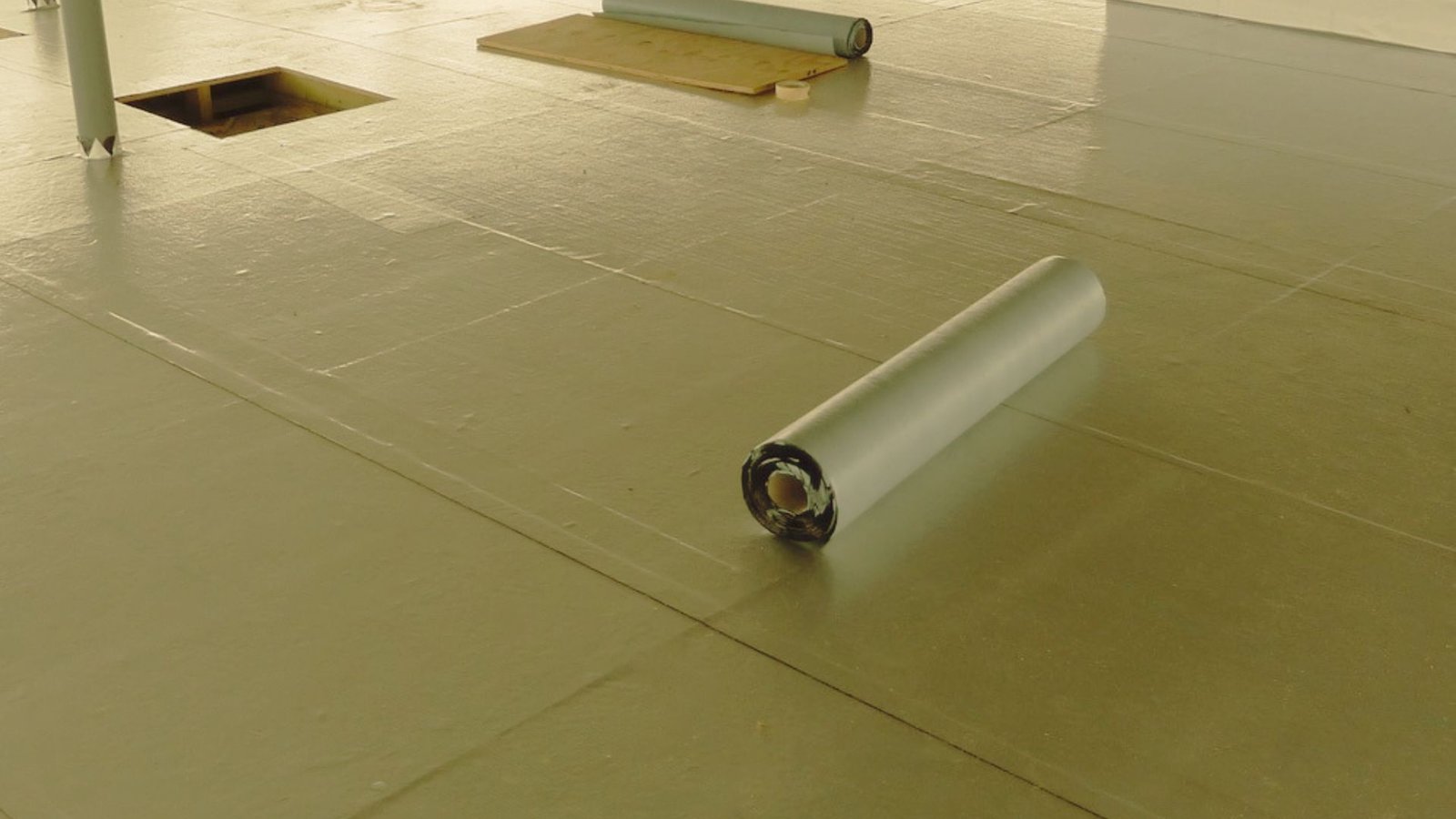
Roll out the vapor barrier over the deck and seal all seams with tape. Then place rigid foam insulation boards on top, fitting them tightly together.
Check your local building code for the minimum R-value required.
Step 4: Apply the Roofing Membrane
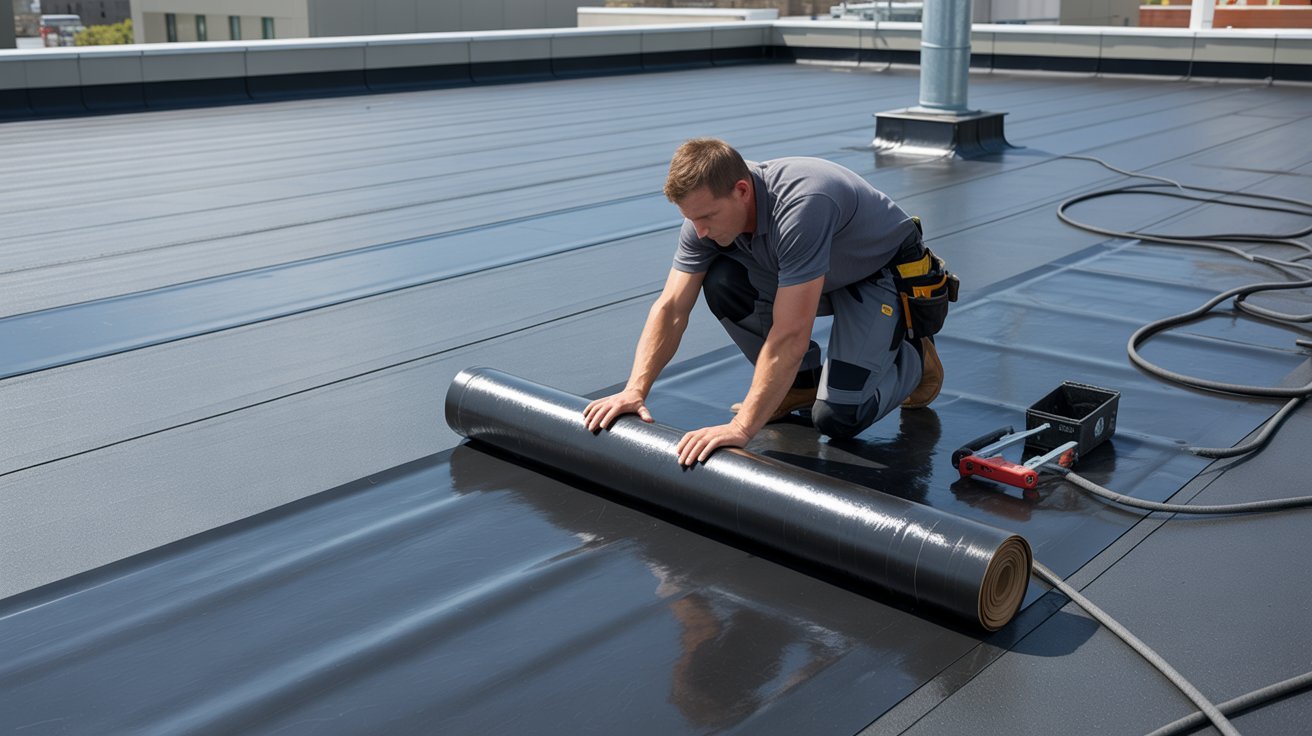
Pick a membrane that suits your budget and climate. EPDM, TPO, PVC, and modified bitumen are all solid options.
Start from the lowest point and work upward, smoothing out bubbles as you go. Seal around all pipes and vents carefully.
Step5: Install Flashing and Drainage
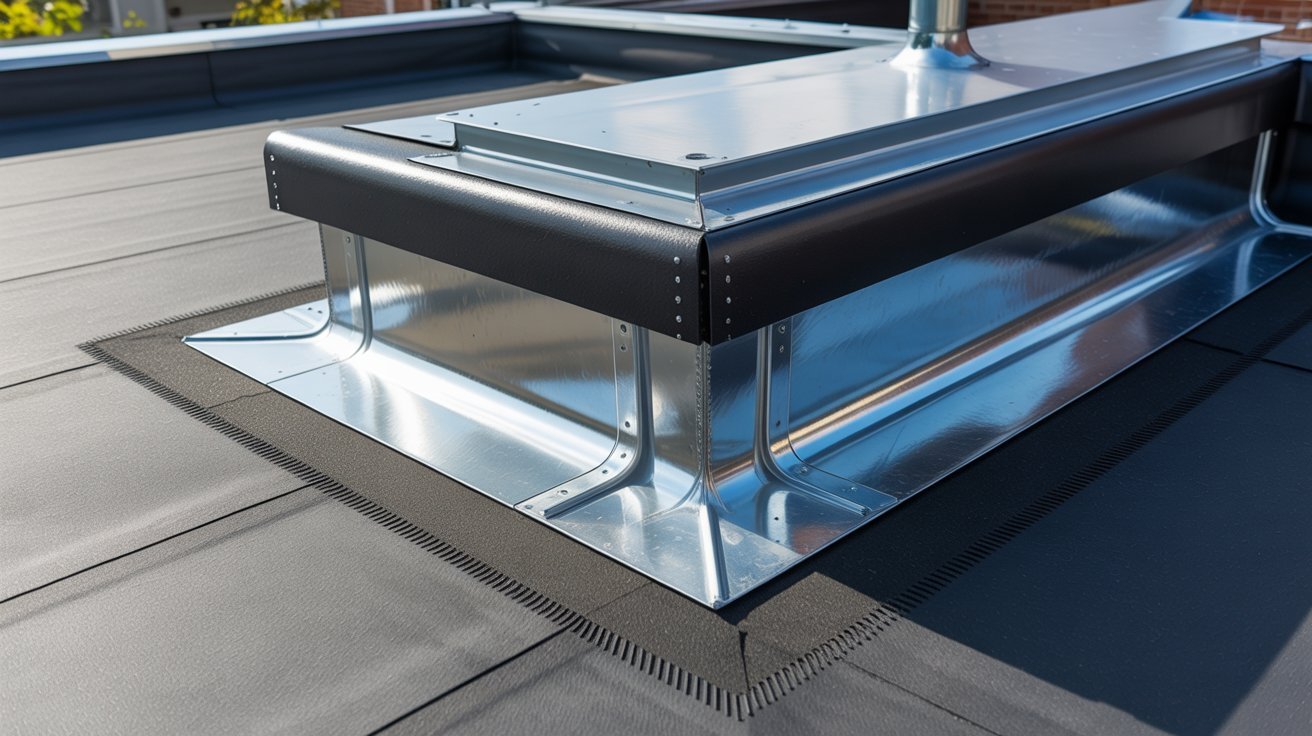
Attach metal flashing wherever the roof meets a wall, chimney, or skylight. Place drains at the lowest points and keep them clear of debris.
Blocked drains are a leading cause of flat roof damage, so this step deserves attention.
Step 6: Final Inspection and Finishing
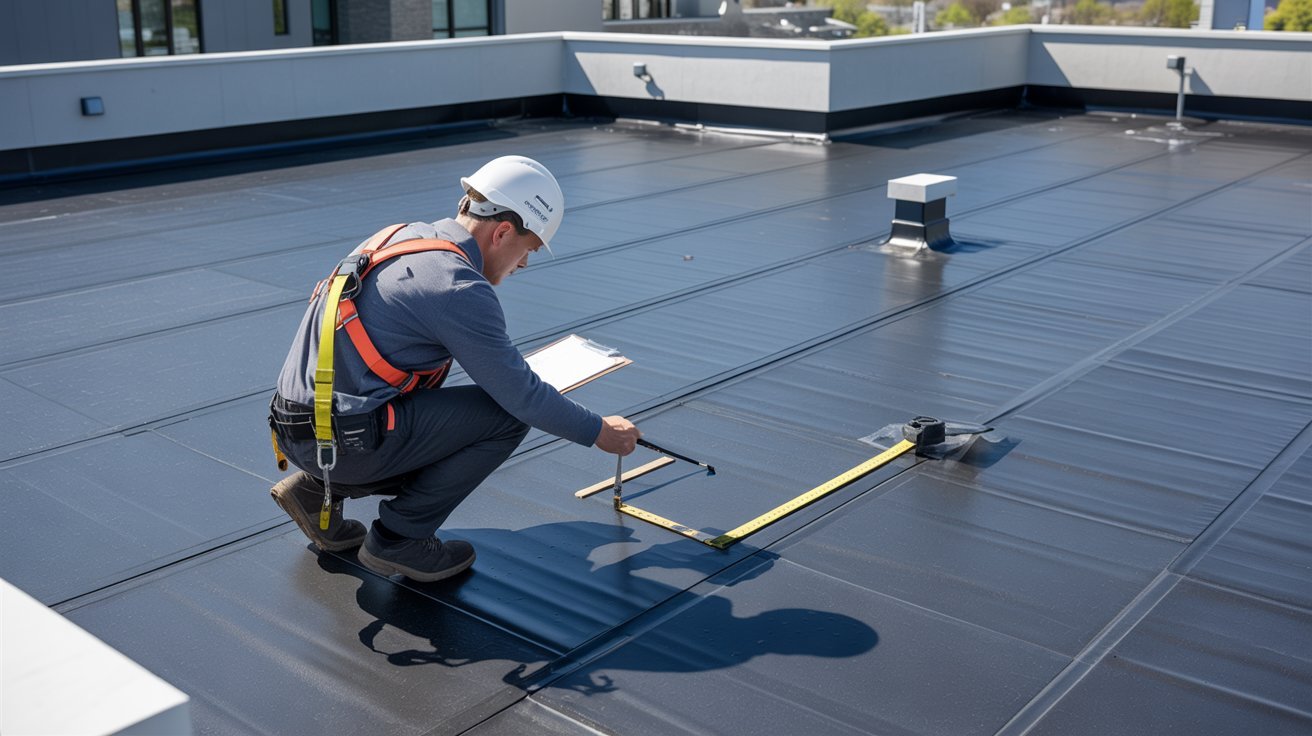
Check the membrane for cuts or loose areas. Test the drains and inspect all flashing edges.
Once everything looks good, apply a protective coating if needed and schedule any required building inspections before finishing interior work.
Types of Flat Roof Systems
Flat roofs come in several types, each with different materials, costs, and durability levels.
Built-Up Roofing (BUR)
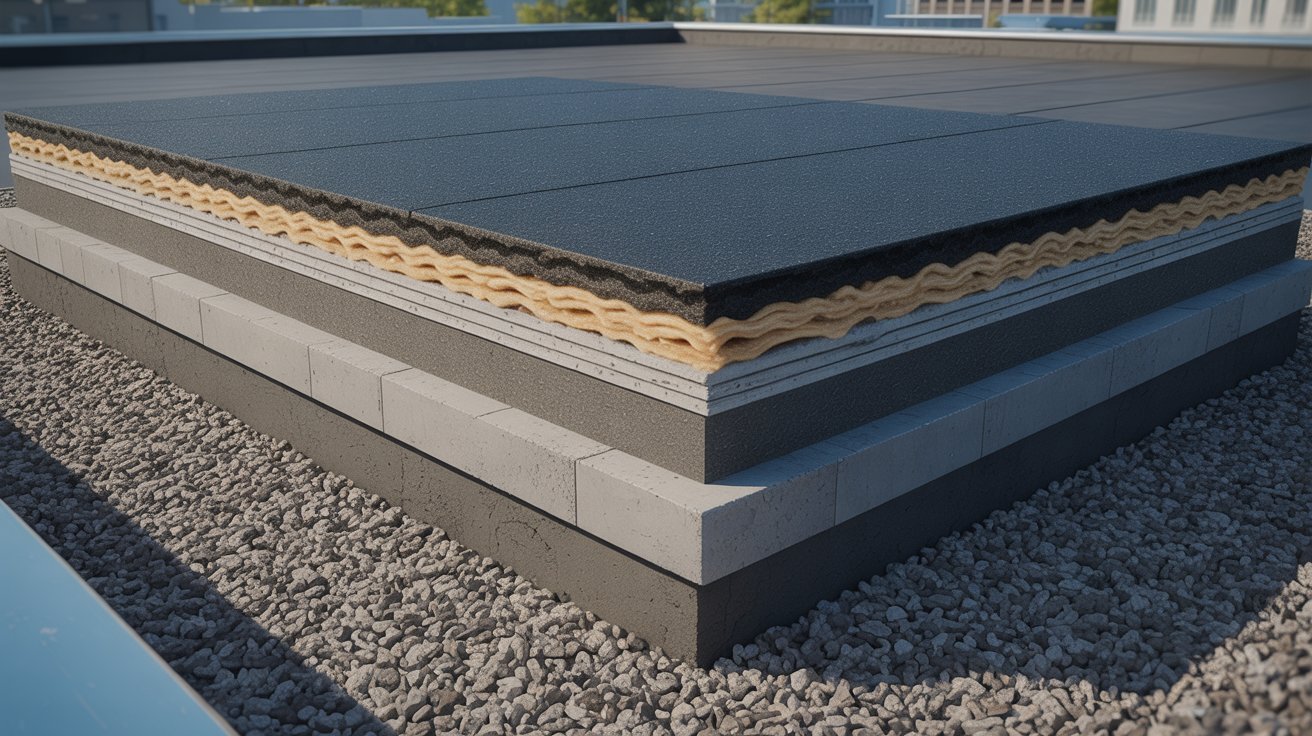
BUR is one of the oldest flat roof systems. It uses multiple layers of roofing felt and hot asphalt, topped with gravel.
It lasts 20 to 30 years but is heavy and produces strong fumes during installation.
Modified Bitumen Roofing
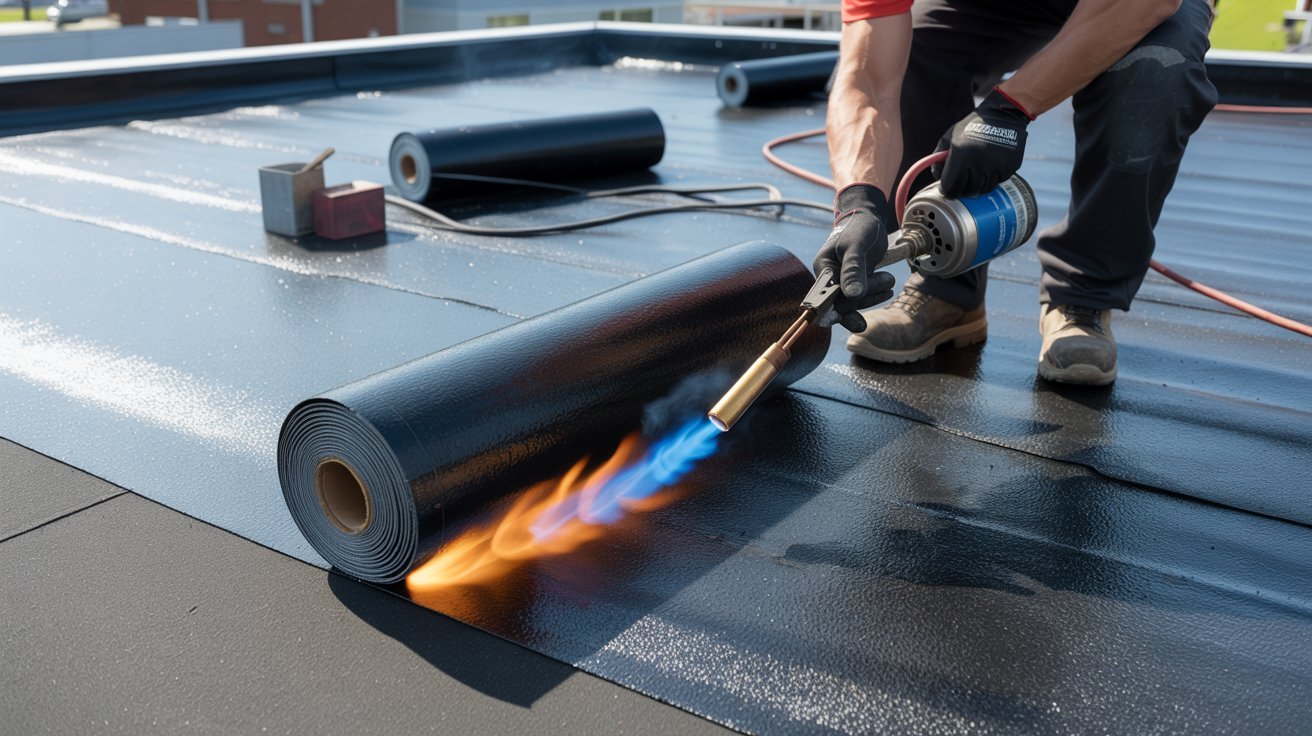
Modified bitumen is an improved version of BUR. It uses rubber or plastic-modified asphalt that handles temperature changes well. It comes in rolls and is easy to install and repair.
EPDM Roofing

EPDM is a synthetic rubber membrane that works well on flat roofs. It is lightweight, UV-resistant, and can last over 25 years. Repairs are simple using adhesive patches.
TPO and PVC Roofing
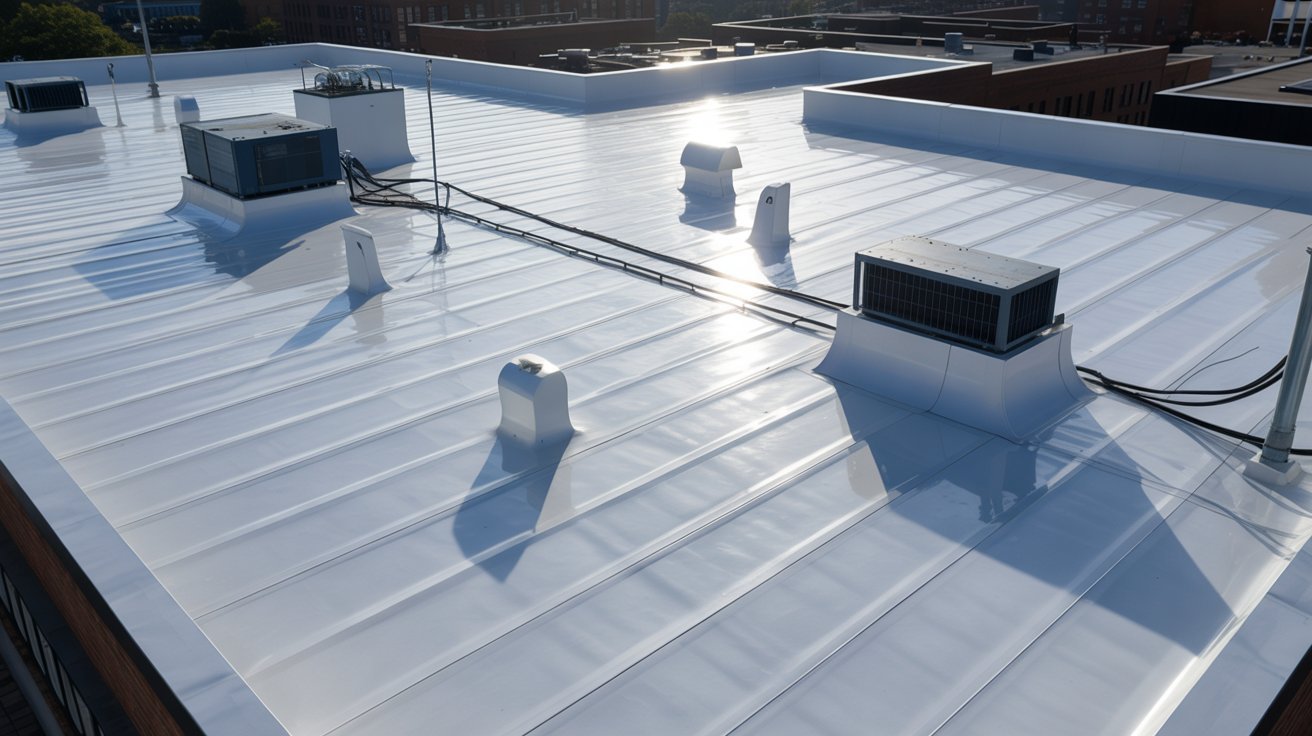
TPO and PVC are white plastic membranes that reflect sunlight and cut cooling costs. TPO is budget-friendly, while PVC offers stronger resistance to chemicals and fire.
Both use heat-welded seams for a tight, waterproof finish.
Best Materials for Flat Roof Construction
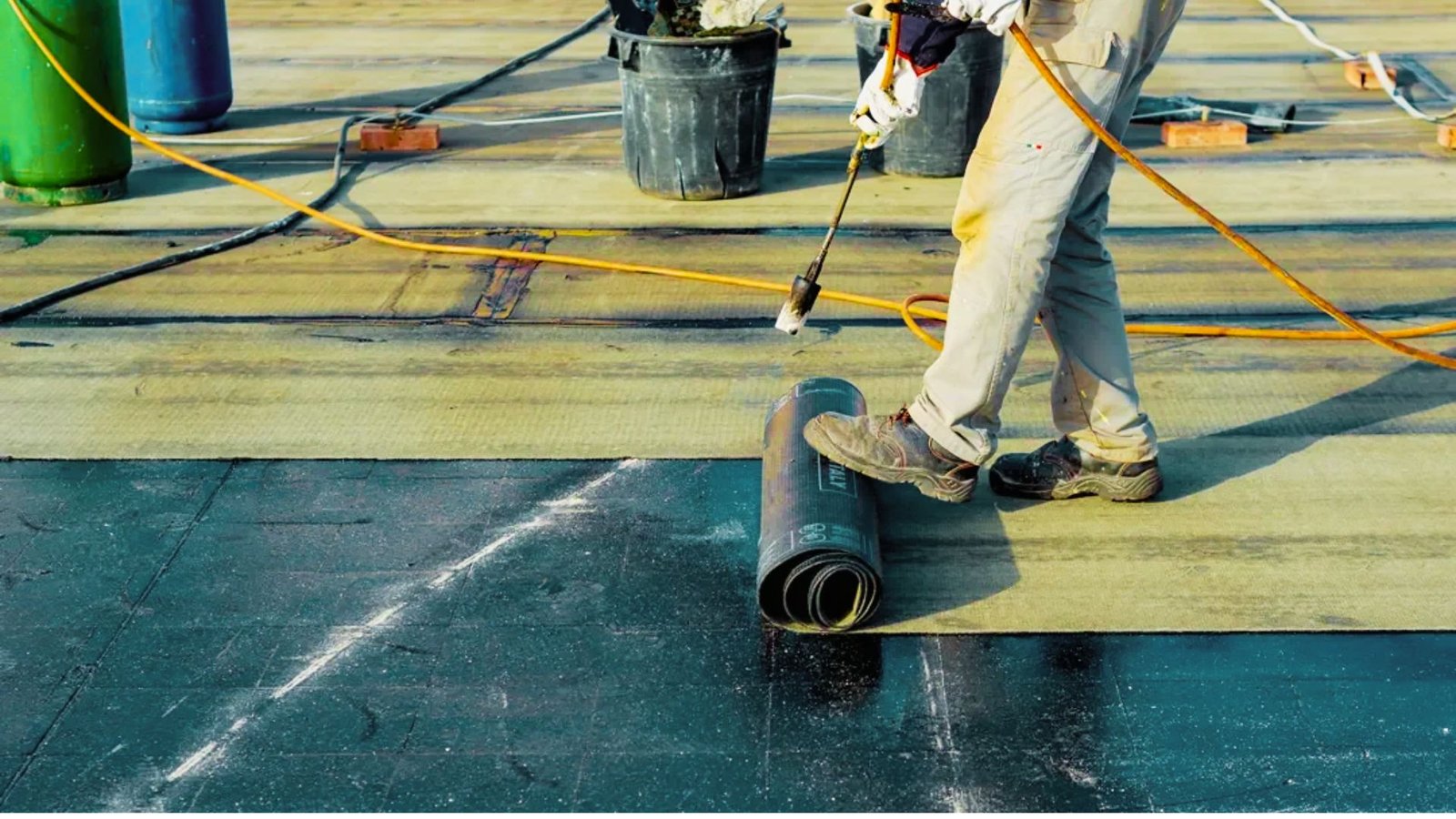
Choosing the right materials for a flat roof helps it last longer and perform better in all weather conditions.
Decking Materials
The decking is the base layer that supports everything above it. Plywood is a common choice because it is easy to work with and handles moisture well.
OSB costs less but needs proper sealing since it absorbs water easily. Concrete decking is strong and fire-resistant but adds extra weight.
Steel metal decking works well for large commercial buildings and spans long distances without extra support.
Insulation Options
Good insulation keeps energy costs low and stops heat from escaping. Polyiso has a high thermal resistance value and is lightweight.
EPS resists moisture and is one of the more affordable options. XPS works well in cold or wet climates. Mineral wool is the right pick when fire resistance is a priority.
Waterproof Membranes
The membrane keeps water out of the building. EPDM is a rubber option that can last over 30 years and handles extreme temperatures well.
TPO reflects sunlight and helps lower cooling costs. PVC is strong and resists fire, chemicals, and punctures.
Modified Bitumen works best in high foot traffic areas. Liquid-applied membranes form a seamless layer with no joints, making them great for roofs with many pipes or vents.
Common Flat Roof Construction Mistakes
Flat roofs fail for simple reasons. Avoiding these common mistakes can save you from expensive repairs.
Poor Drainage Design
Water sitting on a flat roof causes serious damage. The roof needs a slight slope to move water toward drains.
Drains must be placed at the lowest points. Blocked or undersized drains make things worse during heavy rain.
Incorrect Membrane Installation
The membrane keeps water out. Poor sealing at seams and edges lets water in. The surface must be clean and dry before installation.
Skipping this step causes the membrane to lift or tear over time.
Low-Quality Materials
Cheap materials always cost more in the long run. Low-grade membranes crack under heat and cold. Weak insulation traps moisture and leads to mold.
Poor adhesives fail fast under UV rays and temperature changes. Invest in quality materials from the start.
Flat Roof Maintenance Tips
Flat roofs need regular care to stay in good shape and avoid costly repairs over time.
- Check your flat roof at least twice a year, ideally in spring and fall, and always after a heavy storm.
- Walk the surface carefully and look for cracks, bubbles, soft spots, and worn seams, as catching these early saves money.
- Clear drains and gutters at least twice a year to stop water from sitting on the roof for too long.
- After heavy rain, make sure water is draining properly. Puddles that stay for more than 48 hours point to a blockage.
- For minor cracks, use roof sealant or patching tape on a clean, dry surface. For larger damage, call a professional before the problem spreads.
A well-maintained flat roof can last 20 years or more. A little attention each season goes a long way.
Conclusion
Taking care of a flat roof does not have to feel overwhelming. I always tell people the same thing: a quick look twice a year can save you thousands later.
Small steps done consistently make all the difference. Start with a simple walk across your roof this weekend and see what you notice. You might be surprised at what you find.
Have you tried any of these flat roof maintenance tips before? Drop your experience in the comments below and help others learn from what worked for you.
Frequently Asked Questions
How often should I inspect my flat roof?
Inspect your flat roof at least twice a year, in spring and fall. Also check it after any major storm to catch damage early.
What causes flat roofs to leak?
Blocked drains, cracked seams, and damaged flashing are the most common causes of leaks. Regular cleaning and timely repairs can prevent most of these issues.
Can I repair a flat roof myself?
Small cracks and blisters can be fixed with roof sealant or patching tape. For bigger damage, it is always better to call a professional.
How long does a flat roof last?
A well-maintained flat roof can last anywhere from 15 to 25 years. Regular inspections and cleaning play a big role in how long it holds up.
When is the right time to replace a flat roof?
If repairs are becoming frequent and costly, replacement may be the smarter choice. A roofing professional can assess the condition and guide you on the best next step.