Clearing a construction site is not as simple as it looks. There are permits, utilities, equipment, and waste to manage, all before building even begins.
This guide breaks it all down for you, step by step.
We will cover everything from the first site walkthrough to grading the soil. You will also find tips on equipment, common mistakes, and when to hire a professional.
With years of experience in land clearing projects, we know what works and what causes costly delays.
By the end of this guide, you will know exactly how to clear a construction site the right way.
What Is Construction Site Clearing?
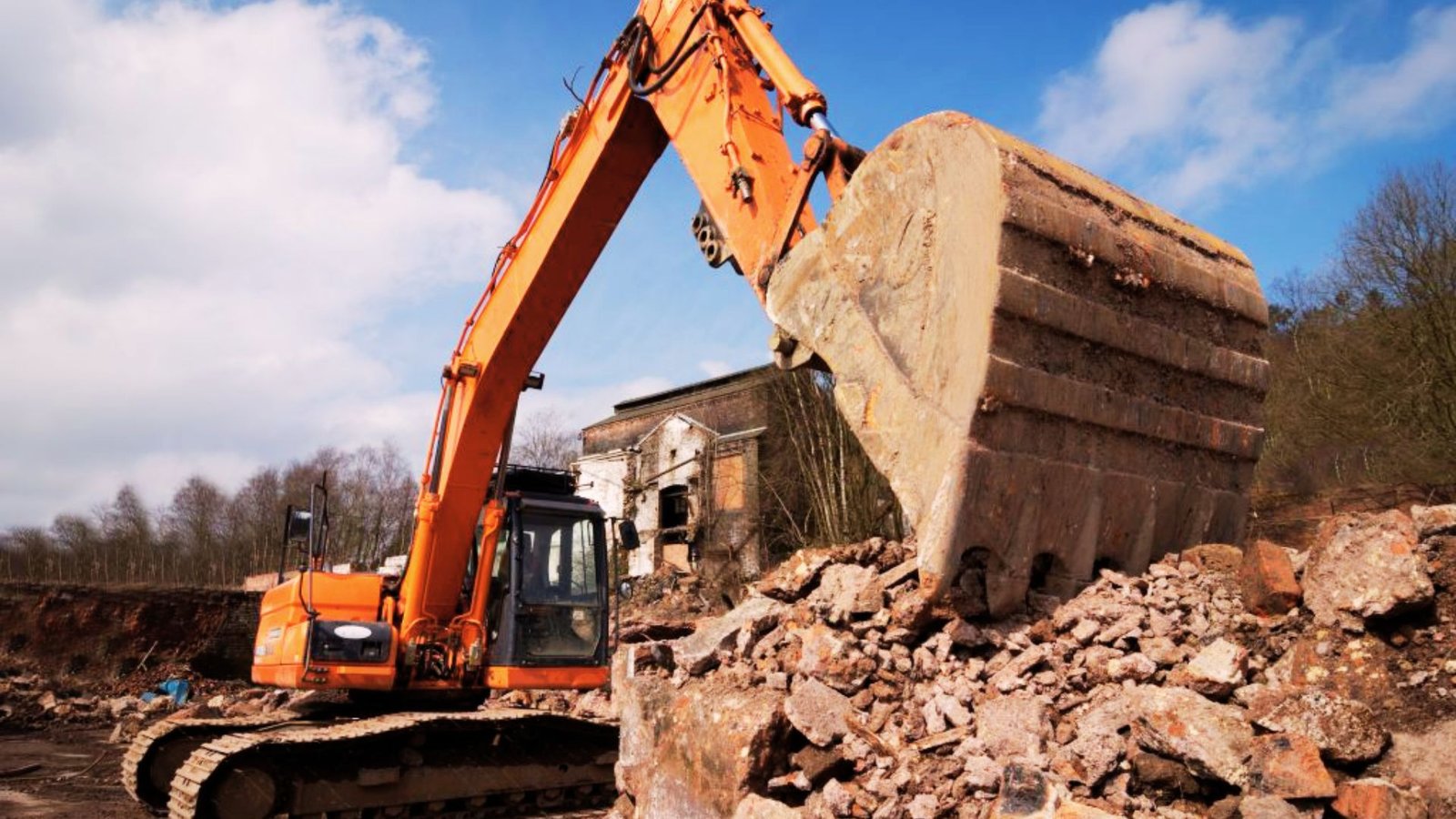
Construction site clearing is the process of removing trees, shrubs, rocks, debris, and old structures from a piece of land before building begins.
It prepares the ground so construction crews can work safely and efficiently. This includes cutting down vegetation, pulling out stumps, and leveling the soil.
Heavy equipment like bulldozers and excavators are used to clear the land quickly. The size of the site decides what tools and methods are needed.
Clearing also involves proper disposal of waste and following local environmental rules. Once the land is clean and level, construction work can move forward without delays.
How to Clear a Construction Site Step by Step
Clearing a construction site the right way saves time, money, and keeps the work safe from start to finish.
Assess and Survey the Site
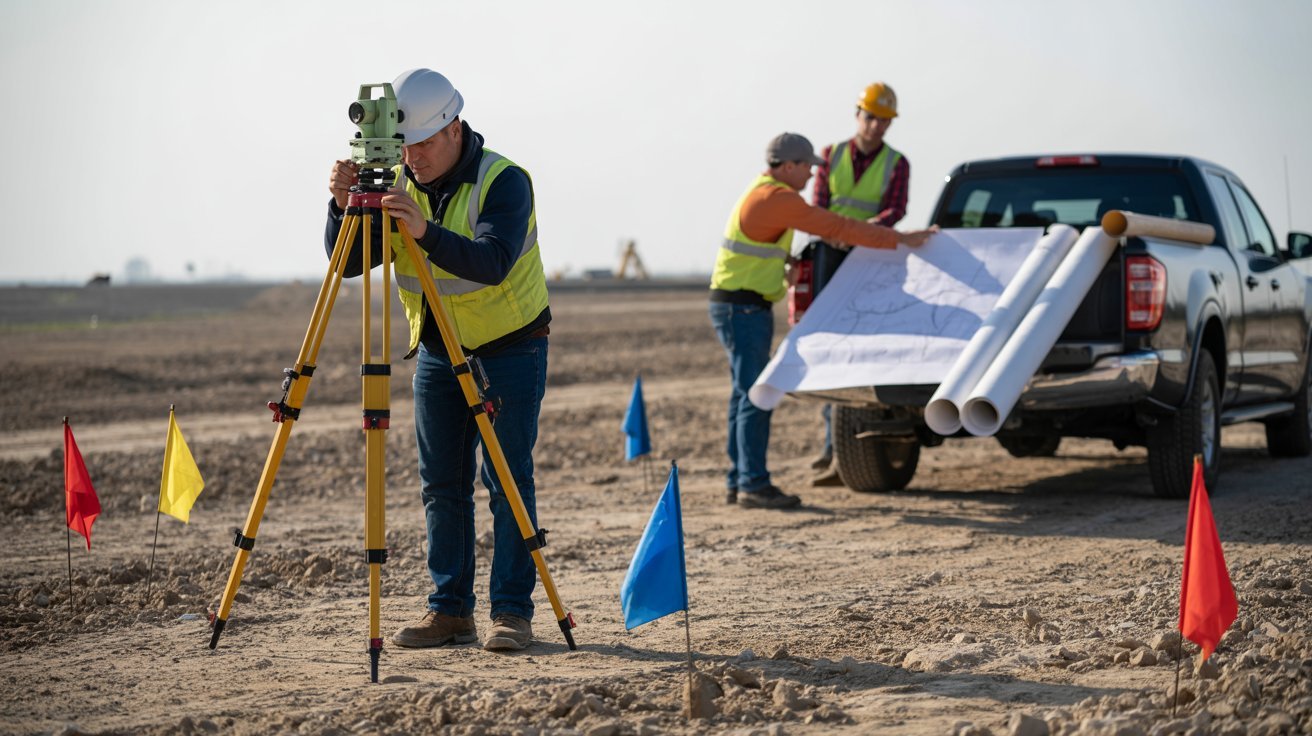
Walk the entire site and take notes on what you see. Mark trees, old structures, and uneven ground. Get a land survey done to confirm property boundaries. Check with local authorities for required permits before any work starts.
Always locate underground utilities before digging. Hitting a gas line or water pipe causes serious safety risks and costly delays. Mark every utility line clearly so the crew knows where not to dig.
Remove Debris and Structures
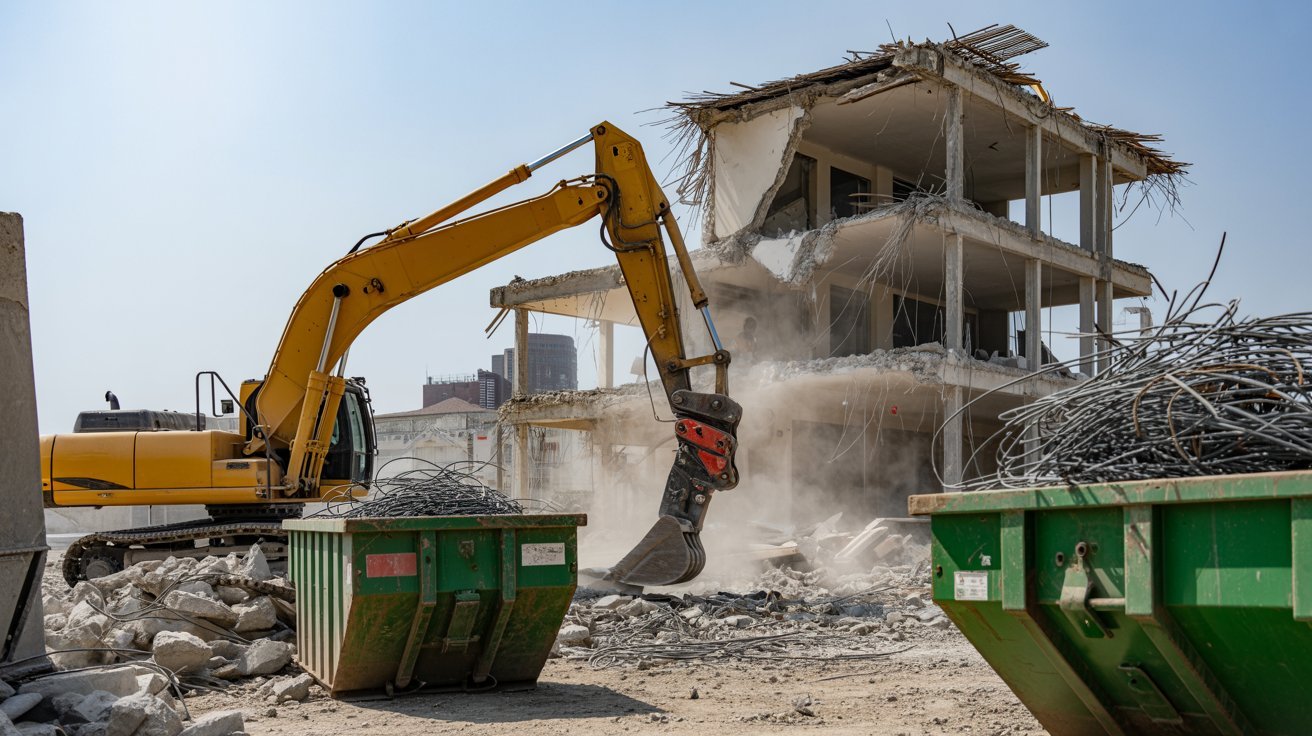
Clear loose debris from the surface first. Sort old wood, scrap metal, and broken concrete for recycling or disposal.
Demolish existing structures using the right equipment for the size of the job. Larger buildings may need a licensed demolition crew.
Keep the site clean as you work. A cluttered site slows progress and creates safety hazards. Haul everything away in dumpsters or construction trucks as you go.
Clear Trees and Vegetation
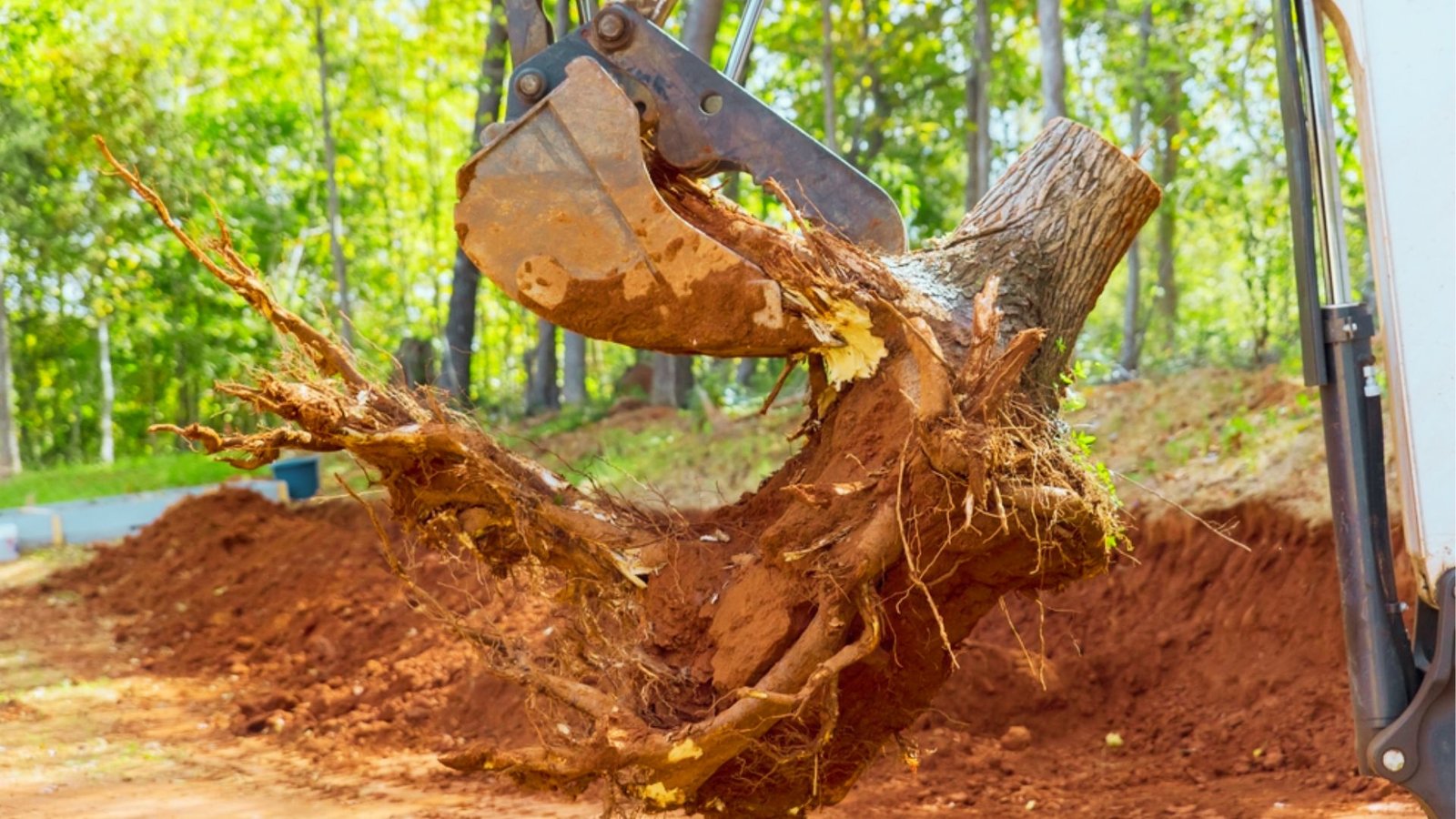
Cut down smaller trees and shrubs with a chainsaw or brush cutter. Hire a professional crew for large trees. Always remove the roots too, as leaving them underground causes the ground to shift later.
Use a stump grinder or excavator to pull roots out fully. Chip or haul away all branches, logs, and brush. Check local rules before burning any cleared material on site.
Remove Rocks and Stumps

Small rocks can be moved by hand or with a skid steer. Break up large boulders with a hydraulic rock breaker before removal. Do not leave rocks or stumps underground, as they can damage equipment and affect the foundation.
Grind stumps below ground level or dig them out completely. Fill any holes left behind with compacted soil. This keeps the ground stable and ready for grading.
Grade and Prepare the Land
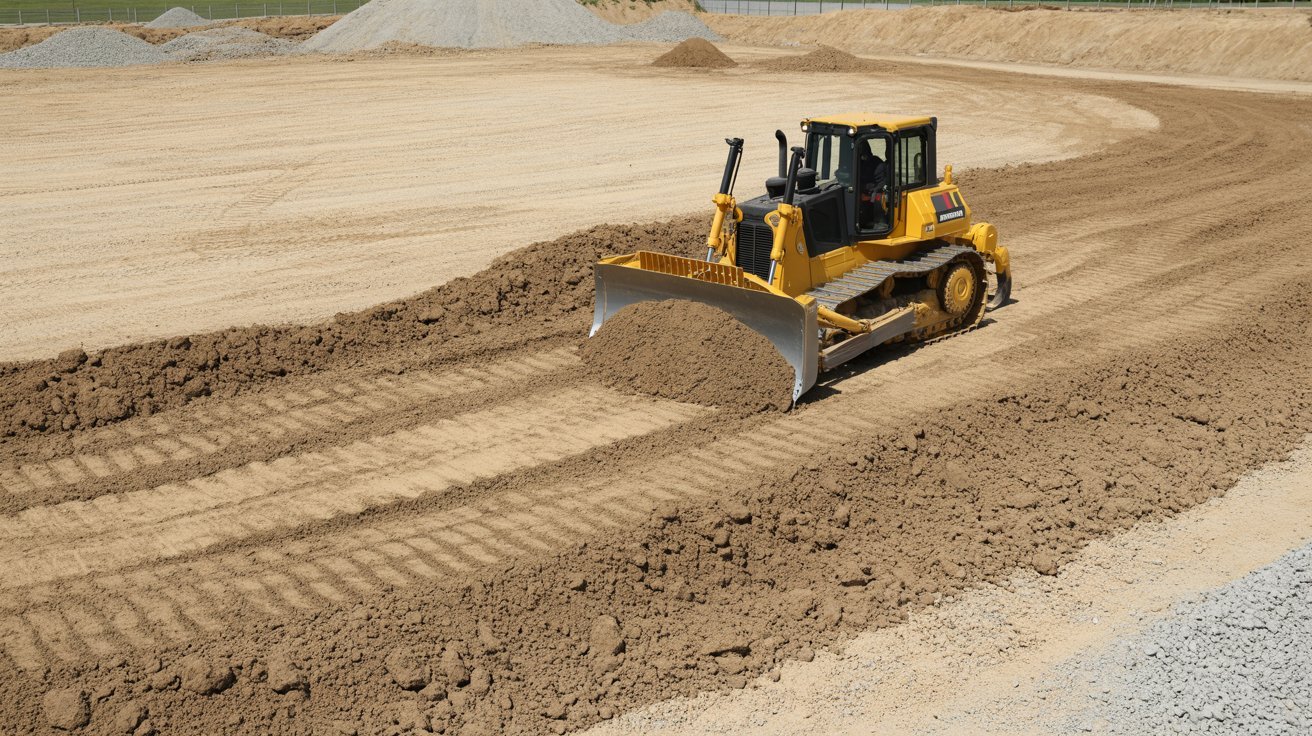
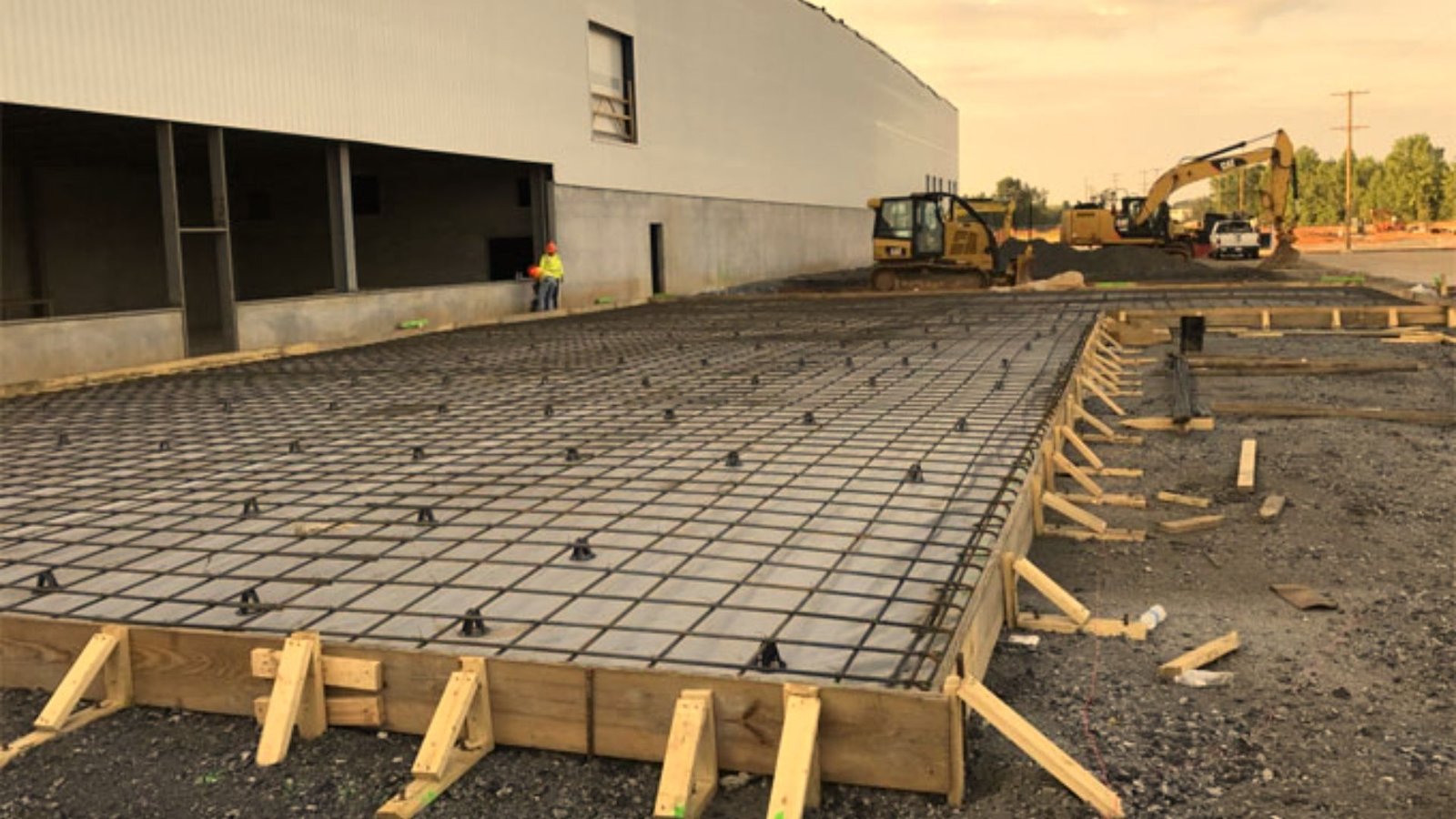
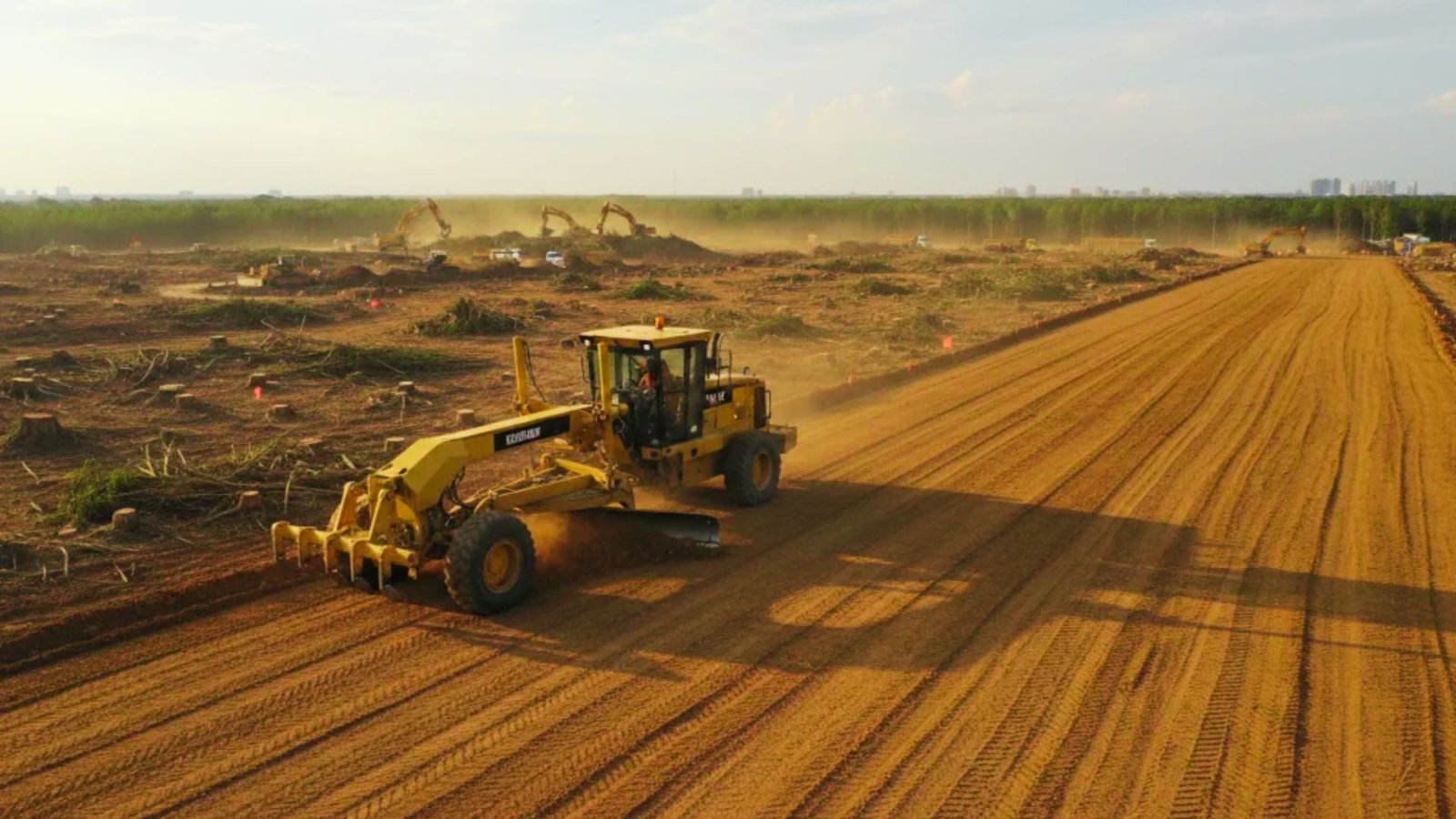
Use a bulldozer or grader to level the surface and match the grade shown in your site plan.
Slope the ground slightly away from the building area to direct rainwater away from the foundation. Compact the soil with a roller before construction begins.
Run a final compaction test to confirm the ground can support the structure above it. This step ensures the base is firm and ready for building. Skipping it can lead to serious structural problems down the line.
Best Methods for Construction Site Clearing
Site clearing removes trees, debris, and obstacles to create a safe, workable space for construction.
Manual Clearing
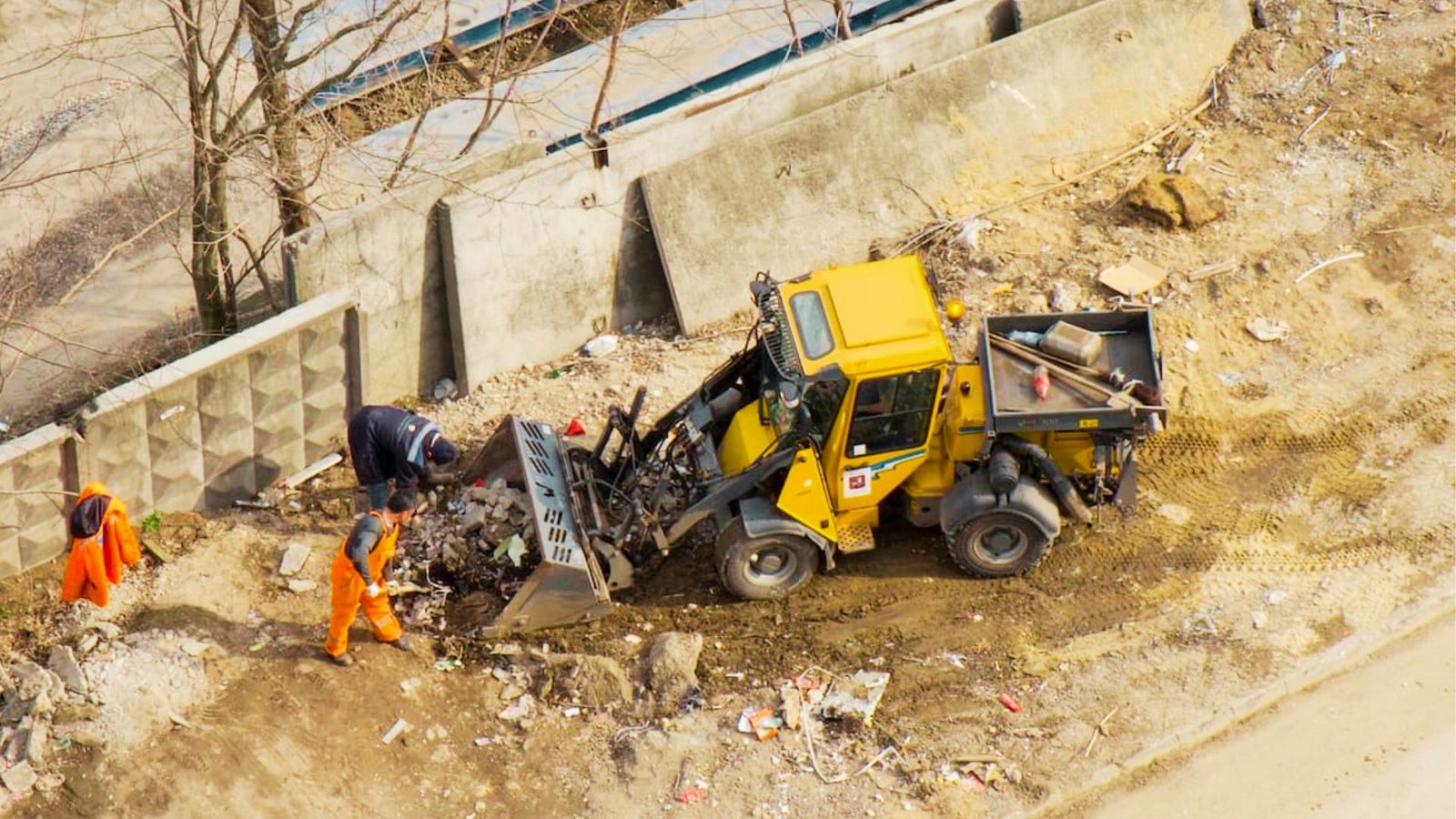
Workers use hand tools like axes, shovels, and chainsaws to clear vegetation and debris. This method works best for smaller areas or spots heavy machines cannot reach.
It causes less soil disturbance but requires more time and labor than other methods.
Mechanical Clearing
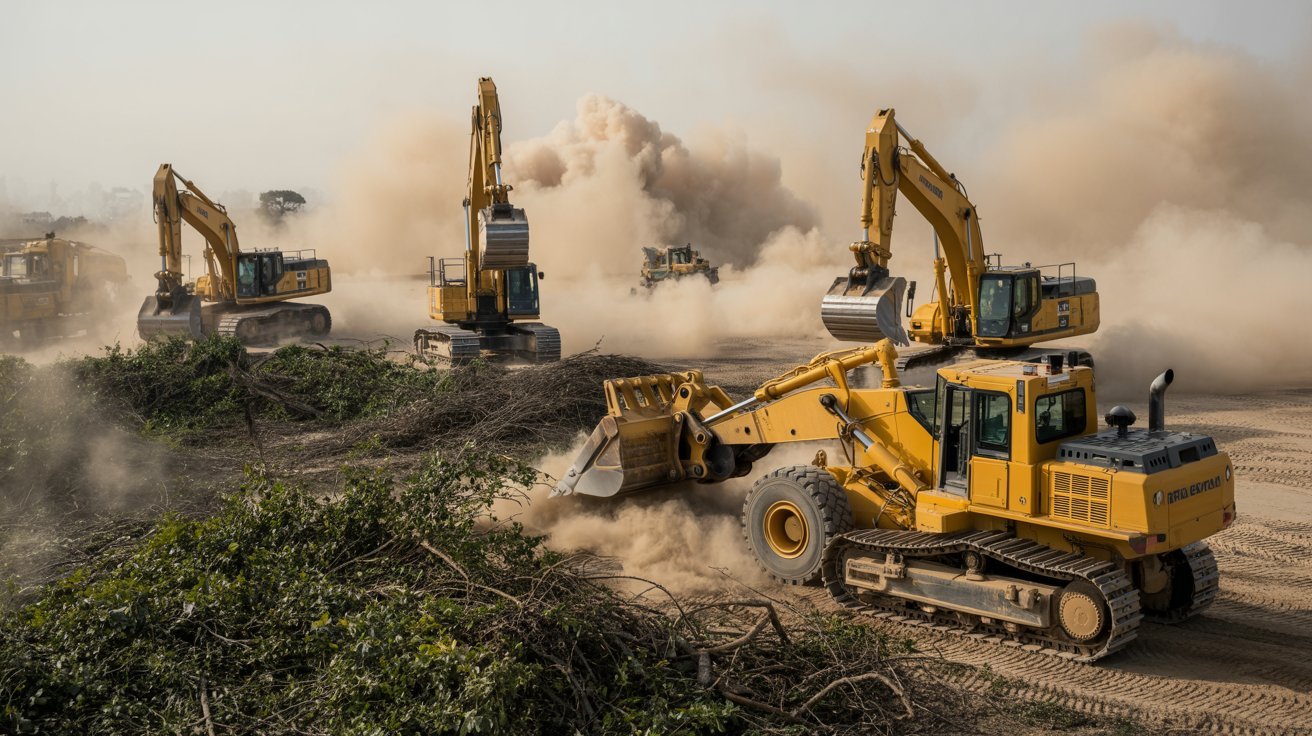
Bulldozers, excavators, and brush cutters clear large areas quickly and efficiently. This is the most common clearing method used on construction sites today.
It saves time and reduces labor costs but can compact the soil and disturb the land more than other approaches.
Chemical Clearing
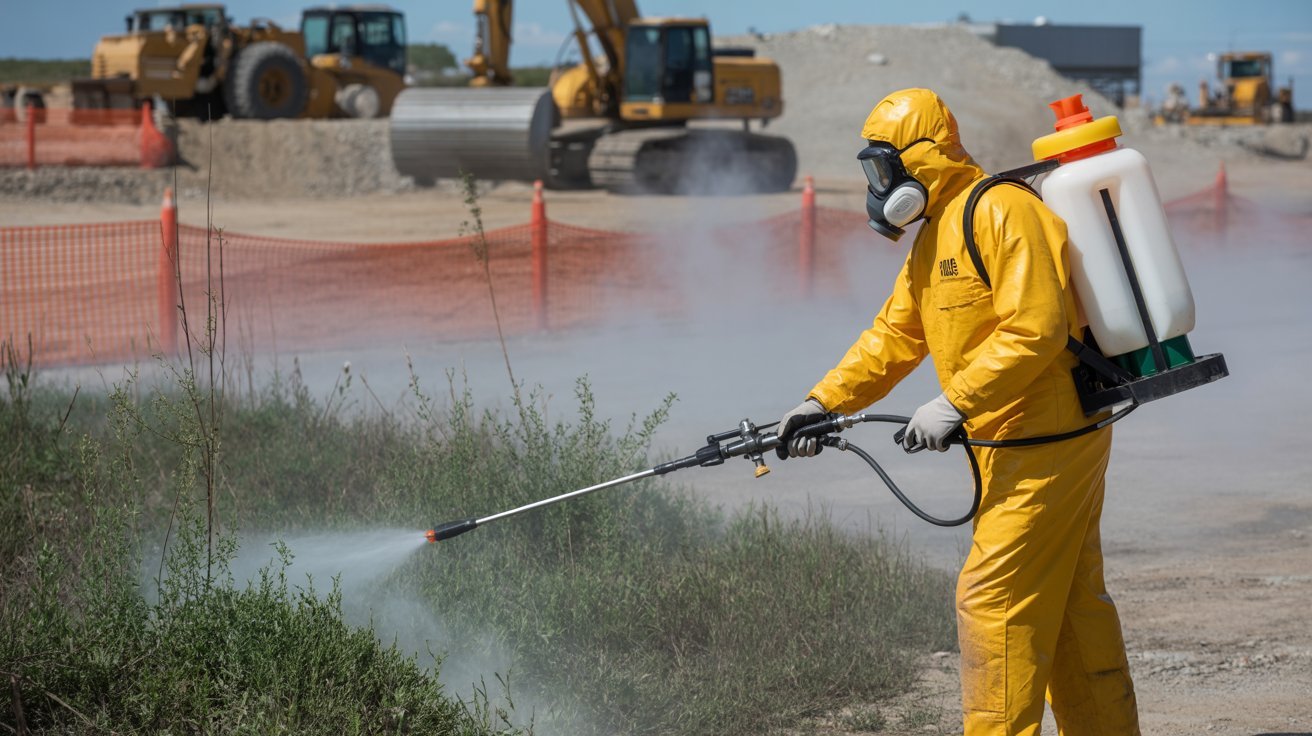
Herbicides are applied to kill unwanted plants, weeds, and shrubs before physical clearing starts. This method works well for managing thick vegetation across large areas.
Chemical use must follow local regulations to protect nearby soil and water sources.
Controlled Burning

Fire is used to clear dry brush, vegetation, and debris quickly at a low cost. It requires proper permits and close supervision to prevent spreading beyond the target area.
This method is not suitable near populated zones or in regions with high fire risk.
Equipment Used for Site Clearing
The right equipment makes site clearing faster, safer, and more effective across different land types and project sizes.
Bulldozers and Excavators

Bulldozers are powerful machines used to push down trees, remove stumps, and level uneven ground.
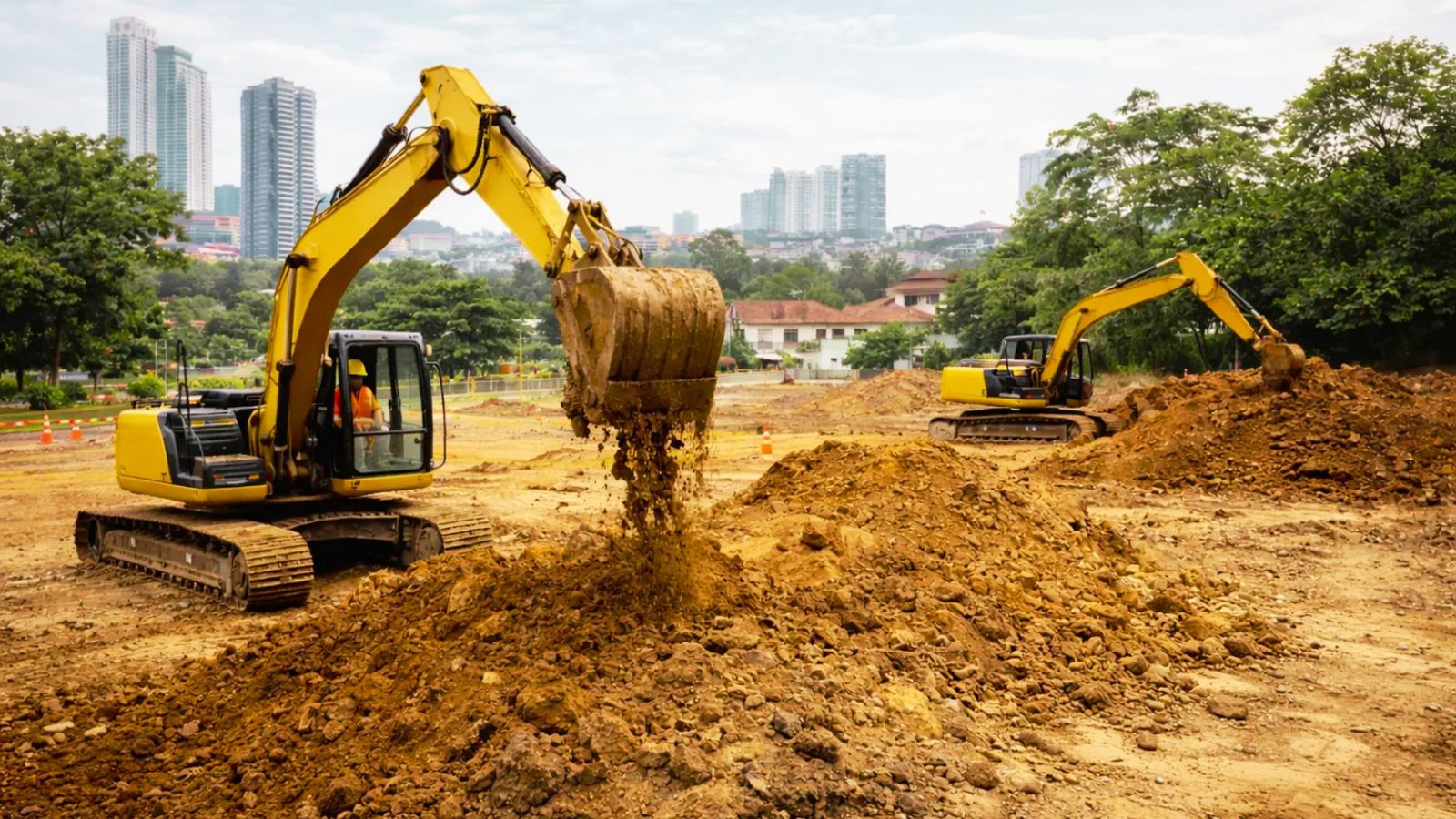
Excavators help dig out roots, move heavy debris, and prepare the land for construction.
Both machines work well on large sites where manual clearing is not practical. They speed up the clearing process and handle tough terrain with ease.
Loaders and Backhoes

Loaders are used to scoop up and move large amounts of soil, rocks, and debris from the site. Backhoes combine a loader at the front and a digging arm at the back, making them very useful on mixed tasks.
They work well in areas that need both lifting and digging without switching between machines. These machines are common on mid sized construction projects where flexibility matters.
Brush Cutters and Chainsaws
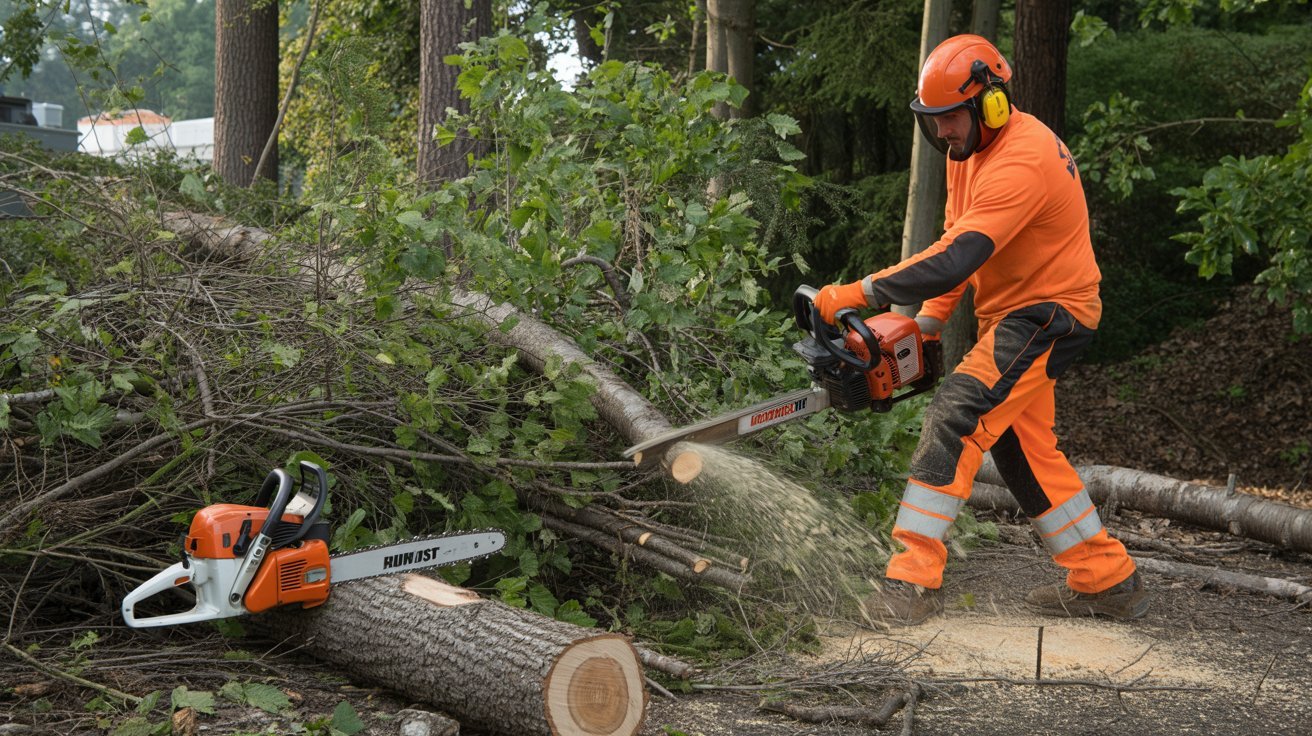
Brush cutters are used to cut through thick vegetation, tall grass, and small shrubs that block a construction site.
Chainsaws handle larger trees and branches that need precise cutting before removal. Both tools are often used in areas where heavy machinery cannot fit or would cause too much ground damage.
They give workers better control in tight or sensitive spots on the site.
Common Challenges and Mistakes
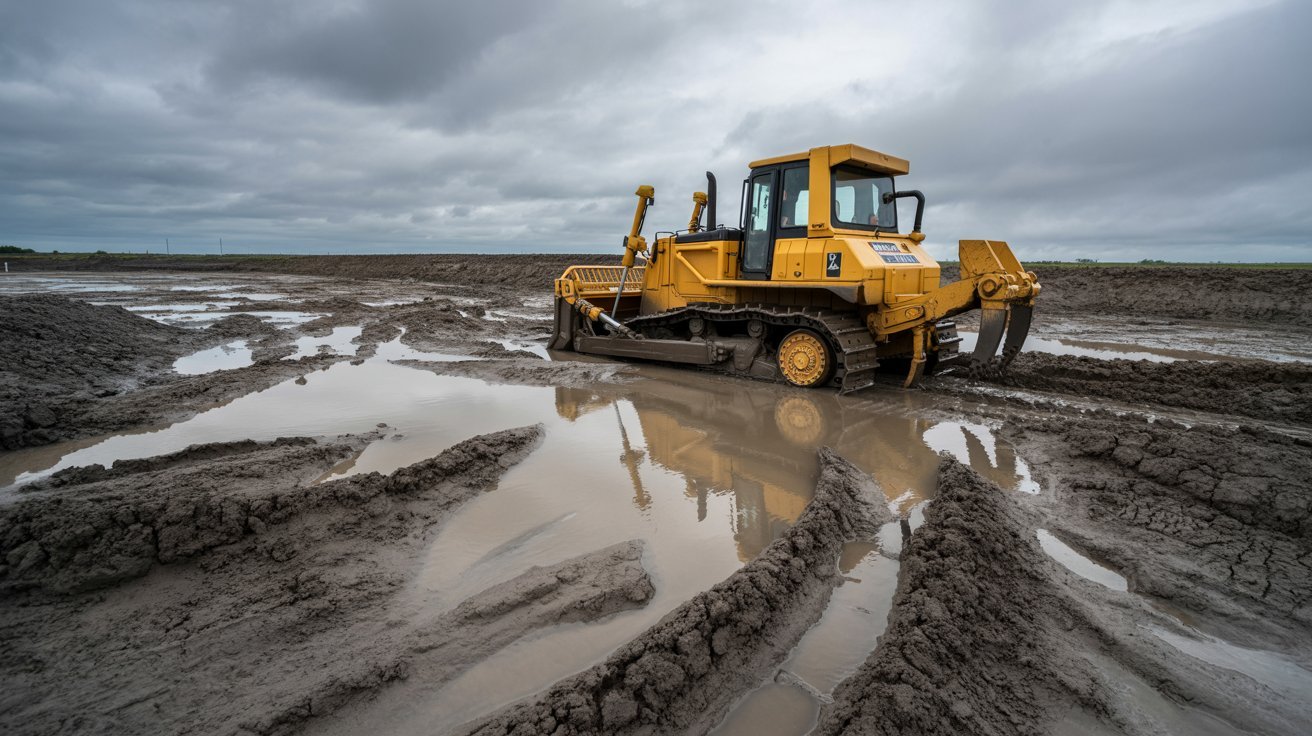
Every excavation project can go wrong in different ways. Knowing the common mistakes helps you avoid them.
Drainage and Soil Problems
Clay soil shifts with moisture, and sandy soil loses shape during digging. Always check soil conditions first and have a water management plan ready before work begins.
Underground Utilities
Never dig without checking for buried gas lines, water pipes, and electrical cables. Call your local utility marking service and use hand tools near marked lines.
Using the Wrong Equipment
Heavy equipment in a tight space can damage foundations and utility lines. Match the machine to the job and make sure the operator is properly trained.
Should You Hire a Site Clearing Contractor?
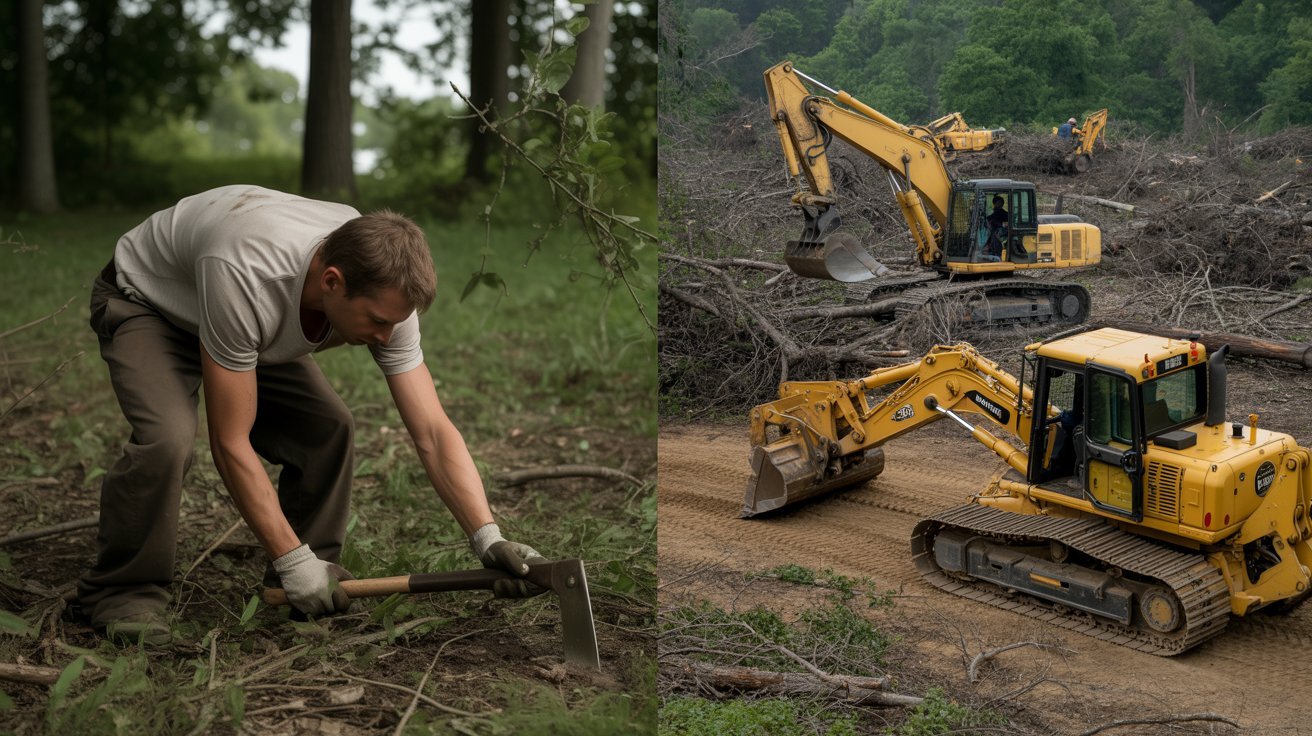
Deciding between doing the work yourself and hiring a professional can affect your project timeline, budget, and safety.
DIY vs Professional Clearing
DIY clearing works for small plots with light brush. Most jobs need heavy equipment that is costly to rent and hard to operate safely.
Benefits of Hiring Experts
A professional crew works faster, handles all debris removal, and follows local rules on land disturbance. For most property owners, hiring a contractor saves time, reduces stress, and costs less in the long run.
Tips for Clearing a Construction Site the Right Way
A few smart steps before and during the job can keep your site clearing project on track and within budget.
- Walk the site and note everything that needs to go. Mark trees, old structures, rocks, and uneven ground. Get your permits sorted before any work begins to avoid fines and delays.
- Always check for buried gas lines, water pipes, and electrical cables before digging. Call your local utility marking service to get everything flagged before any work starts.
- Match the equipment to the size and condition of your site. Using heavy machinery in a tight space can damage nearby structures and utility lines.
- Do not let debris pile up on site. Sort and haul away waste regularly during the clearing process. A clean site is safer and easier to work on.
- Once the land is clear, compact the soil properly before building. Loose or unstable ground can cause foundation problems that are costly to fix later.
Conclusion
Clearing a site the right way makes every stage after it so much easier. From my experience, the projects that skip the planning step are always the ones that run into the biggest problems later.
If you are about to start a clearing job, take a breath, make a plan, and do not rush the process. Small steps done right save big headaches later.
Have questions about how to clear a construction site? Drop them in the comments. We are happy to help you move forward with confidence.
Frequently Asked Questions
What is the first step in clearing a construction site?
The first step is to survey the land and mark trees, structures, and utility lines. Getting the right permits before work begins is just as important.
How long does it take to clear a construction site?
The time depends on the size of the site and the amount of vegetation or debris present. A small plot may take a day, while a larger site can take several weeks.
Do I need a permit to clear land for construction?
In most areas, yes. Local authorities require permits before you remove trees or disturb the land. Always check with your local government before starting any clearing work.
Can I clear a construction site on my own?
DIY clearing is possible for small areas with light brush and minimal obstacles. For larger or more complex sites, hiring a professional crew is the safer and smarter option.
How much does construction site clearing cost?
Costs vary based on site size, location, and the amount of work involved. On average, land clearing can range from a few hundred to several thousand dollars depending on the project scope.