Building a home is one of the biggest decisions you will ever make. I know because I have been through it myself.
When I started, I had no idea where to begin. There was so much to think about land, permits, budgets, and materials.
In this blog, I will walk you through how to start building a home the right way.
From setting your budget to getting legal approvals, I will cover each step clearly. You will also learn the common mistakes to avoid so you save time and money.
Understand Your Budget Before Anything Else
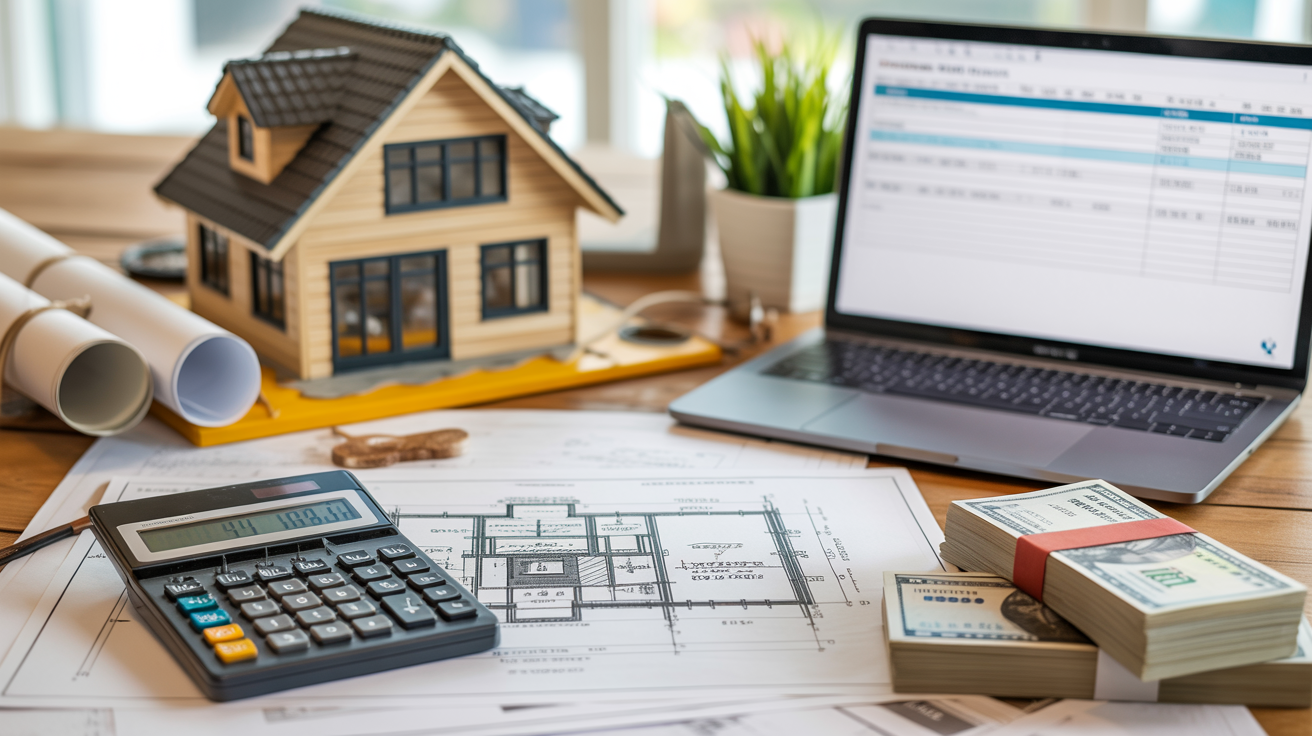
Before you pick land or draw a single plan, you need to know your numbers. A clear budget is the foundation of your entire build.
Start by listing your total savings and how much loan you can get.
Then break it down:
- Land Cost: Factor in the full price of the plot, including registration and stamp duty fees. This is usually the biggest single expense in your build.
- Construction Cost per Square Foot: Get a rate estimate from local contractors based on your area and build type. Multiply this by your planned area to get a rough total.
- Permits and Legal Fees: These include building plan approvals, zoning clearances, and legal documentation charges. They are easy to forget but add up fast.
- Interior Finishing and Fittings: Flooring, paint, kitchen cabinets, bathroom fittings, and lights all cost more than most people expect. Plan for these from day one.
- Buffer Fund (at least 10–15% extra): Prices change, materials go up, and workers charge more in peak seasons. Always keep extra funds ready so construction never stalls halfway.
Choose the Right Location for Your Home
The land you choose shapes everything your daily life, property value, and even the ease of construction.
Check Zoning and Permit Rules
Not all land can be used for residential buildings. Local bodies have zoning rules that decide what can be built where. Check with your local municipal office before buying any plot.
Some areas are zoned for commercial use only. Others may have height limits or setback rules that affect your design.
Compare Nearby Amenities
Good location means easy access to schools, hospitals, markets, and public transport. Visit the area at different times of day.
Check road conditions, noise levels, and water availability. A plot that looks perfect in photos may have issues in person.
Test Land and Soil Conditions
Soil quality directly affects your foundation. Soft or waterlogged soil needs extra work and cost.
Get a soil test done before purchase. This simple step can save you from major structural problems later.
Choose Materials for Your Home
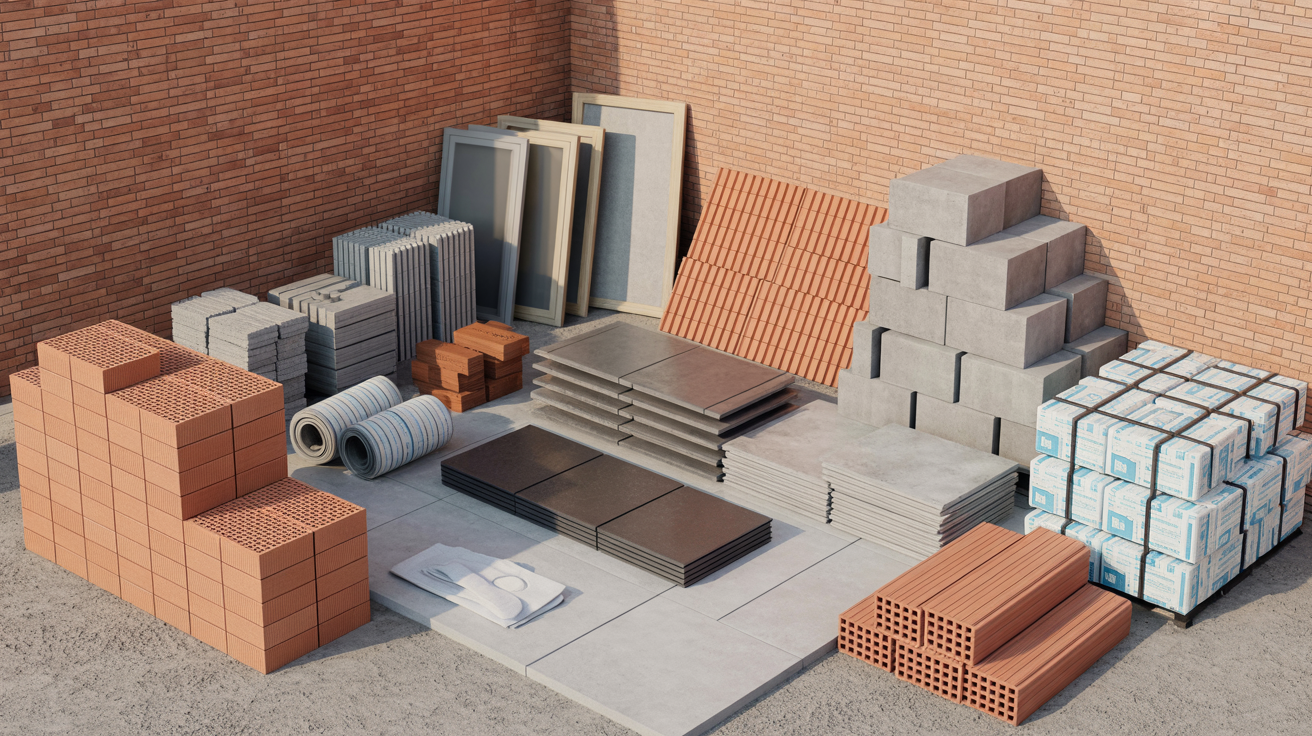
Picking the right materials affects your home’s strength, cost, and long-term upkeep.
Here are the key material choices to consider:
- Foundation: Use concrete with the right grade as per local soil conditions
- Walls: Red brick, AAC blocks, or hollow concrete blocks, each has different costs and insulation values
- Roof: Reinforced cement concrete (RCC) is common; sloped roofs work well in heavy rain areas
- Flooring: Vitrified tiles for living areas, anti-skid tiles for bathrooms and kitchens
- Doors and windows: Teak wood for durability; UPVC for low maintenance
- Insulation: Add thermal or acoustic insulation in walls and roof to reduce heat and noise
- Waterproofing material: Apply in bathrooms, rooftops, and basements to prevent leaks
Always buy from trusted suppliers. Cheap materials may look fine at first but cause problems within a few years. Balance cost with quality
Create a Home Plan
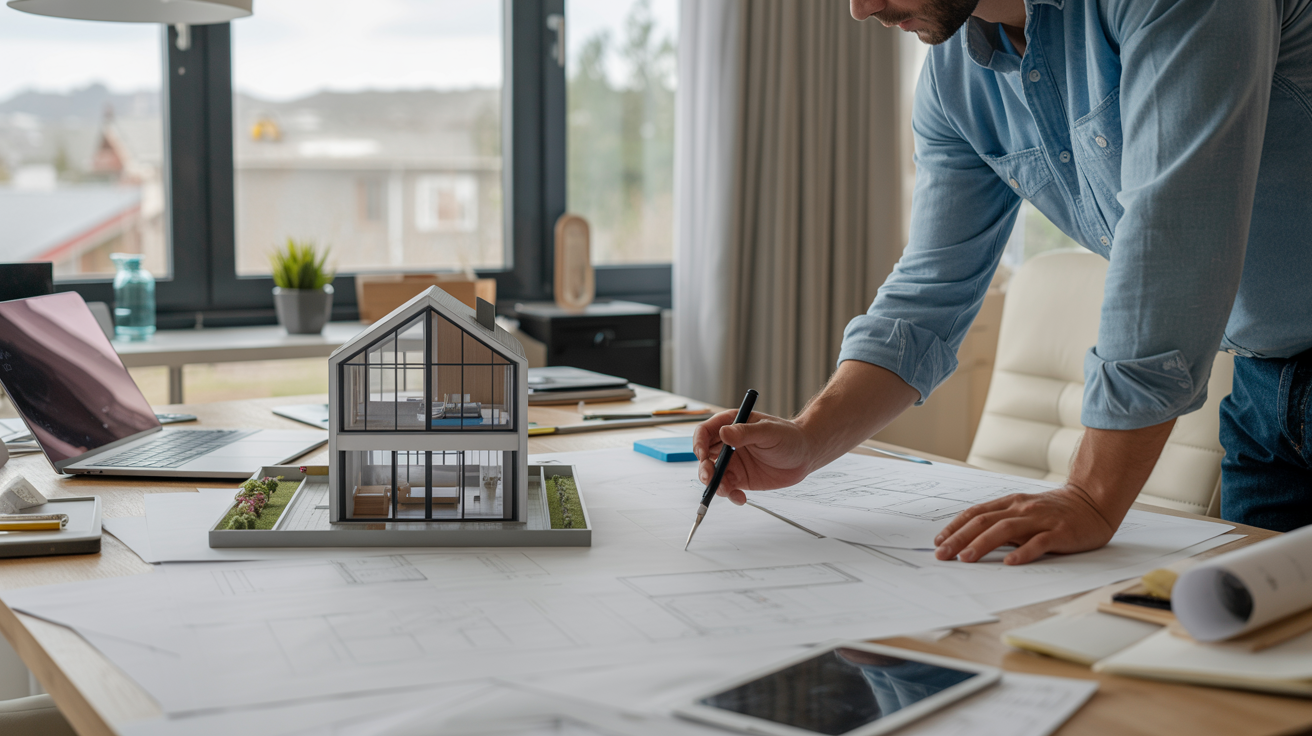
A good plan saves you from costly changes during construction. Spend time here before any work begins.
Decide Your Layout and Room Count
Think about how many people will live in the home now and in the next 10 years. Decide the number of bedrooms, bathrooms, kitchen size, and living areas.
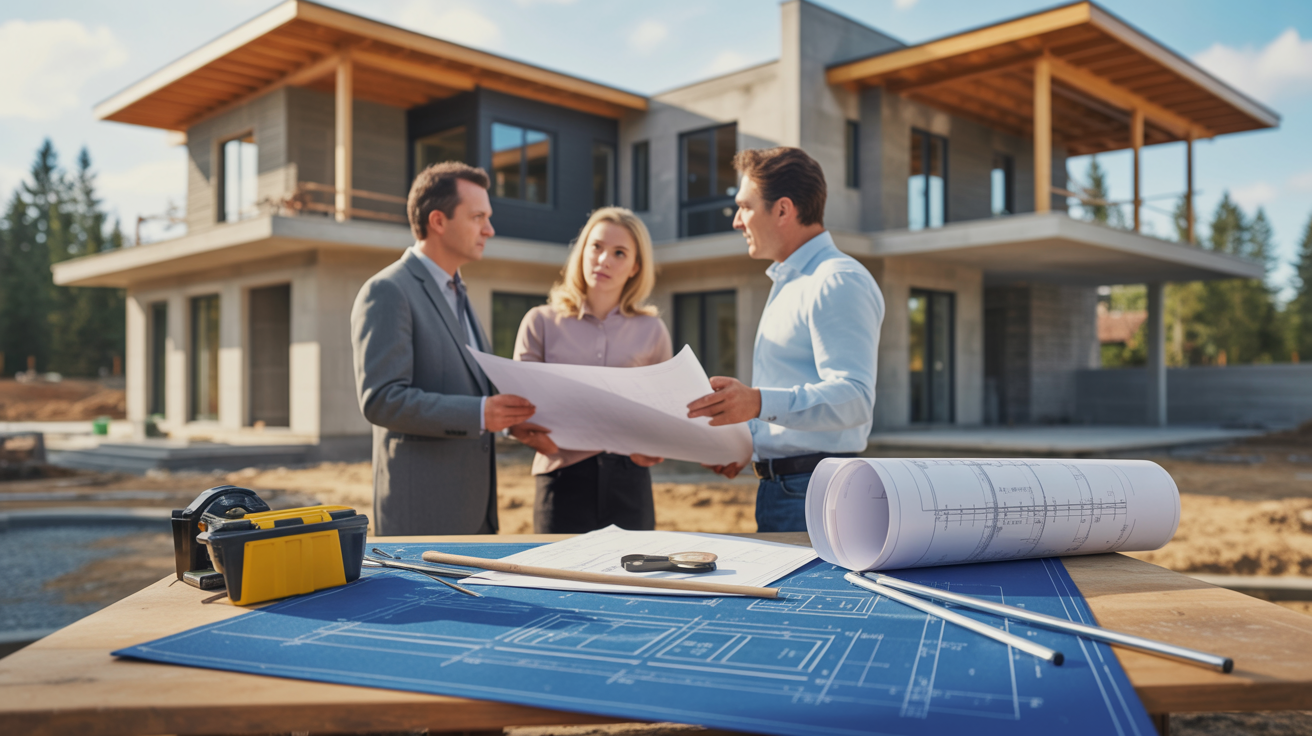
Share this with your draftsman or civil engineer. Make sure the layout gets good natural light and airflow.
Plan Storage and Parking Areas
Storage is often forgotten during planning. Add built-in wardrobes, utility rooms, and kitchen cabinets to your plan.
If you own a vehicle, plan covered parking from the start. Retrofitting parking later is expensive and sometimes not possible.
Think About Future Needs
Will your family grow? Will you need a home office? Is there an elderly parent who may need a ground-floor room?
Plan for these things now. Adding provisions for a lift shaft or an extra room shell costs very little during construction but a lot after.
Get Permits and Legal Approvals
Skipping this step can lead to fines or even demolition orders. Always build legally.
Prepare Required Documents
You will typically need:
- Proof of land ownership
- Site plan and building drawings
- Soil test report
- ID and address proof
Check with your local civic body for the full list. Requirements vary by state and city.
Follow Local Building Rules
Every area has rules on building height, floor area ratio (FAR), setbacks from the road, and fire safety.
Your engineer should design the plan within these rules. Violating them can result in heavy penalties.
Schedule Inspections
Most authorities require inspections at key stages: foundation, plinth level, and roof. Schedule these on time. Delays here can stall your whole project.
Start the Construction Process
Once your permits are ready, construction begins. Here is what happens at each stage.
Foundation and Framing

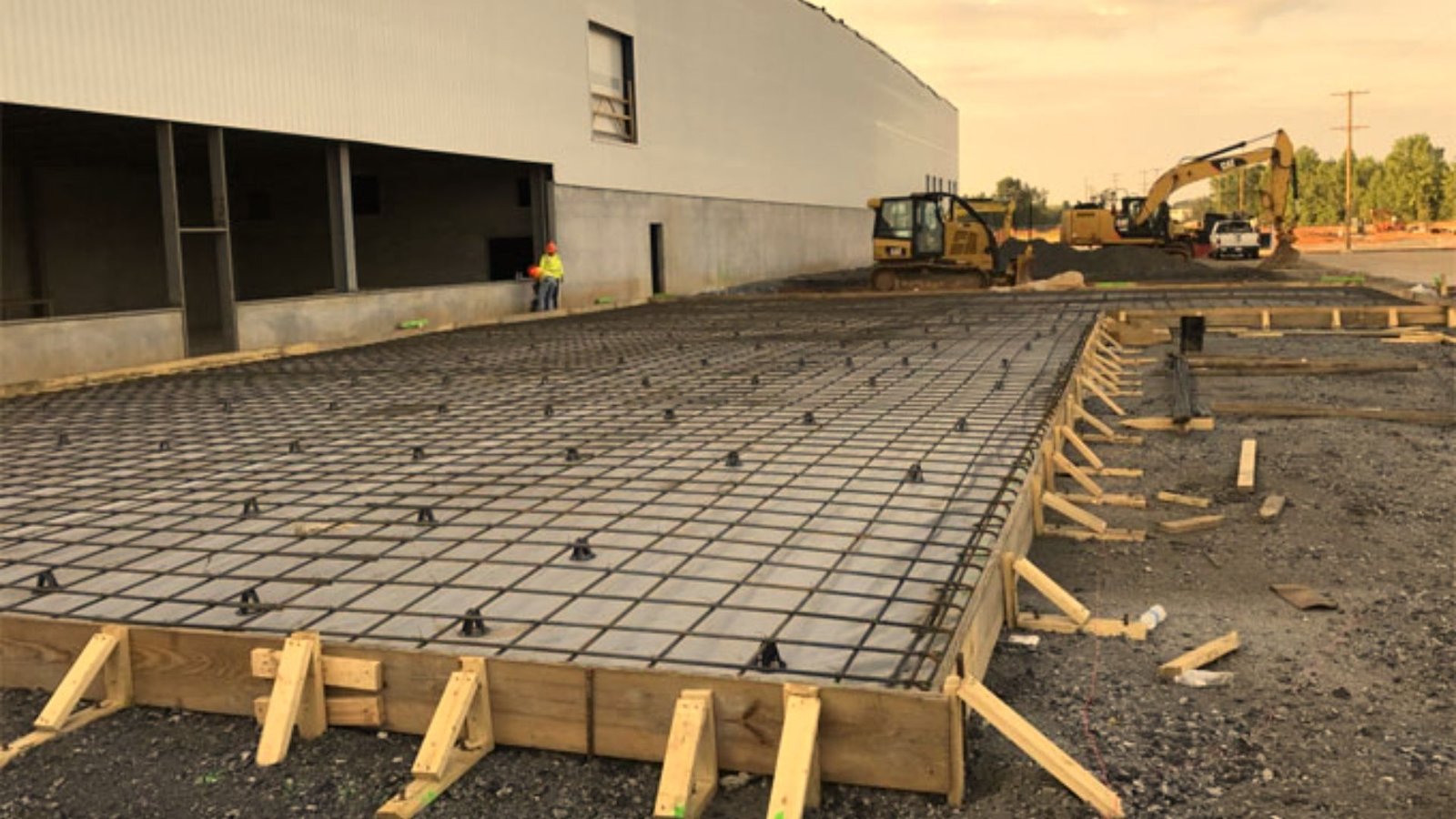
The foundation is the most critical part of your home. The type depends on soil conditions and the number of floors.
Common types include strip foundation, raft foundation, and pile foundation.
Once done, the structural frame goes up: columns, beams, and slabs form the skeleton of your home.
Plumbing and Electrical Work

These systems are built into the walls and floors before finishing. Plan all pipe routes and electrical points early.
Changes after walls are plastered are messy and expensive. Use ISI-marked wires and good quality pipes to avoid leaks or short circuits later.
Interior and Exterior Finishing

This is where your home starts to look like a home.
Interior work includes plastering, flooring, tiling, painting, and fitting doors and windows. Exterior work includes the outer wall finish, waterproofing, and landscaping.
Fixtures and Fittings

Install bathroom fittings, kitchen cabinets, lights, fans, and switches.
Choose products that match your budget and are easy to service. Keep records of model numbers for future repairs.
Safety and Ventilation Systems

Install smoke detectors, fire exits if needed, and proper exhaust fans in kitchens and bathrooms.
Good ventilation keeps the home healthy and reduces moisture damage over time.
Final Inspection and Move-In
You are almost there. But do not rush the last step.
Fix Remaining Issues
Walk through every room with your contractor. Make a snag list, a written list of things to fix.
This could include uneven tiles, paint touch-ups, leaky taps, or doors that don’t close properly. Get everything fixed before the final payment.
Complete the Final Walkthrough
Once fixes are done, do a final check. Test all taps, switches, and doors. Check for dampness or cracks.
Get the completion certificate from your local authority. This document is important for insurance, loans, and future resale.
Common Mistakes to Avoid
Here are the key mistakes to keep in mind throughout your build.
- Starting without a clear budget: Many builds stall midway because funds run out. Always plan your finances with a buffer before construction starts.
- Ignoring permit requirements: Building without proper approvals can lead to legal trouble, fines, or forced demolition. Get every clearance in place.
- Choosing low-quality materials: Cheap materials save money upfront but cost more in repairs. Invest in good quality where it matters foundation, roof, and plumbing.
- Not planning for the future: Ignoring long-term needs like extra rooms or aging-friendly features leads to expensive changes later.
- Poor contractor selection: Always check references and sign a written agreement. Verbal commitments often lead to disputes.
Conclusion
I hope this guide makes the process of how to start building a home feel less overwhelming. When I built my first home, I wished someone had laid it out this simply.
Start with your budget, choose the right land, plan well, and always build legally. Take it one step at a time. You do not have to figure it all out at once.
If this helped you, share it with someone who is also planning to build. Drop your questions in the comments, I read every one.
Frequently Asked Questions
How much money should I save before building a home?
Try to keep at least 10–15% extra beyond your estimated budget. Construction costs often increase due to material price changes or unexpected work.
Do I need a soil test before construction?
Yes. A soil test helps determine the right foundation type and prevents future structural issues, especially on soft or waterlogged land.
How long does it usually take to build a house?
For a standard single-family home, construction usually takes around 8 to 18 months depending on size, weather, permits, and labor availability.
Can I make design changes during construction?
You can, but changes after construction starts often increase costs and delay timelines. It’s better to finalize the layout before work begins.
What is the biggest mistake first-time home builders make?
One of the most common mistakes is underestimating the budget. Many people forget about finishing costs, permits, and emergency expenses.