If you’ve ever looked at an old brick building and wondered what holds it together inside, you’re not alone. I used to wonder the same thing.
Joisted masonry construction is one of the most common building types found in older cities and towns.
In this blog, I’ll break down what it is, how it works, and why it matters for property owners, builders, and insurance professionals.
You’ll also see how it compares to other construction types. With years of research into building construction topics, I’m here to give you clear, honest answers.
No confusing terms. Just simple facts you can actually use.
What Is Joisted Masonry Construction?
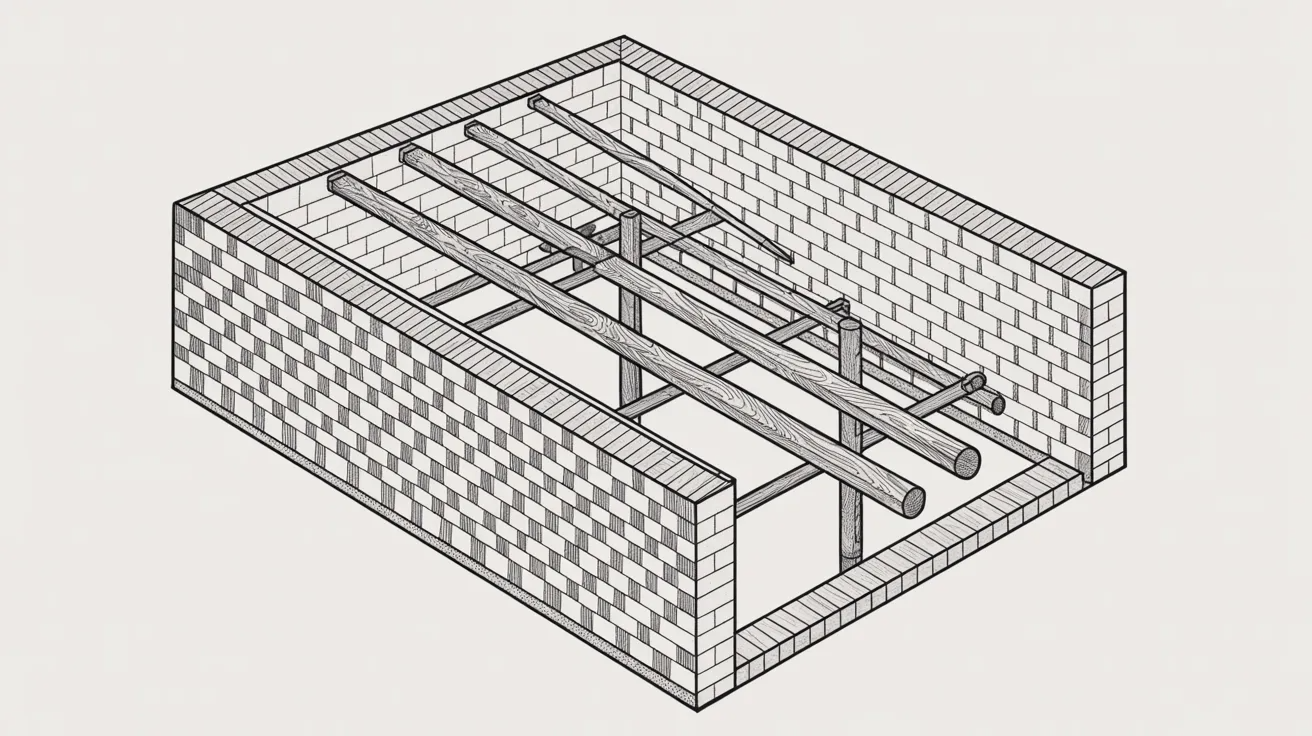
Joisted masonry construction is a building type where the exterior walls are made of brick, stone, or concrete block, while the interior floors and roof are built using wood joists or other combustible materials.
This is one of the older construction methods still widely found today.
You’ll often see it in older commercial buildings, warehouses, schools, and apartment buildings built before modern construction codes took over.
The name comes from two key parts. “Joisted” refers to the wooden floor and roof joists inside. “Masonry” refers to the solid exterior walls made of brick or stone.
Why does this matter? Knowing the construction type of a building affects everything from insurance rates to fire safety planning.
Insurance companies and fire departments use construction classifications to assess risk. Joisted masonry falls under ISO Construction Class 2.
Types of Materials Used in Joisted Masonry Construction
Joisted masonry buildings use two types of materials. The outside focuses on strength. The inside focuses on function.
Exterior walls are built with brick, stone, or concrete blocks. Brick is the most common choice. It resists fire and lasts for decades.
Stone is less common but very durable. Concrete blocks became popular in mid-20th century builds because they cost less.
Interior framing uses wood joists. These horizontal beams carry the weight of floors and ceilings above. Heavy timber shows up in older commercial buildings too.
Roofing typically involves wood decking laid over wood joists. Asphalt shingles or metal panels go on top.
The structural layer underneath is what determines the construction classification, not the finish.
How Joisted Masonry Differs From Other Construction Types
Joisted masonry uses solid masonry walls on the outside, but the wood interior is what sets it apart from newer, fully fire-resistant builds.
Joisted Masonry vs Frame Construction
Both types use wood joists inside, but masonry walls give joisted masonry a clear edge in fire resistance and long-term durability.
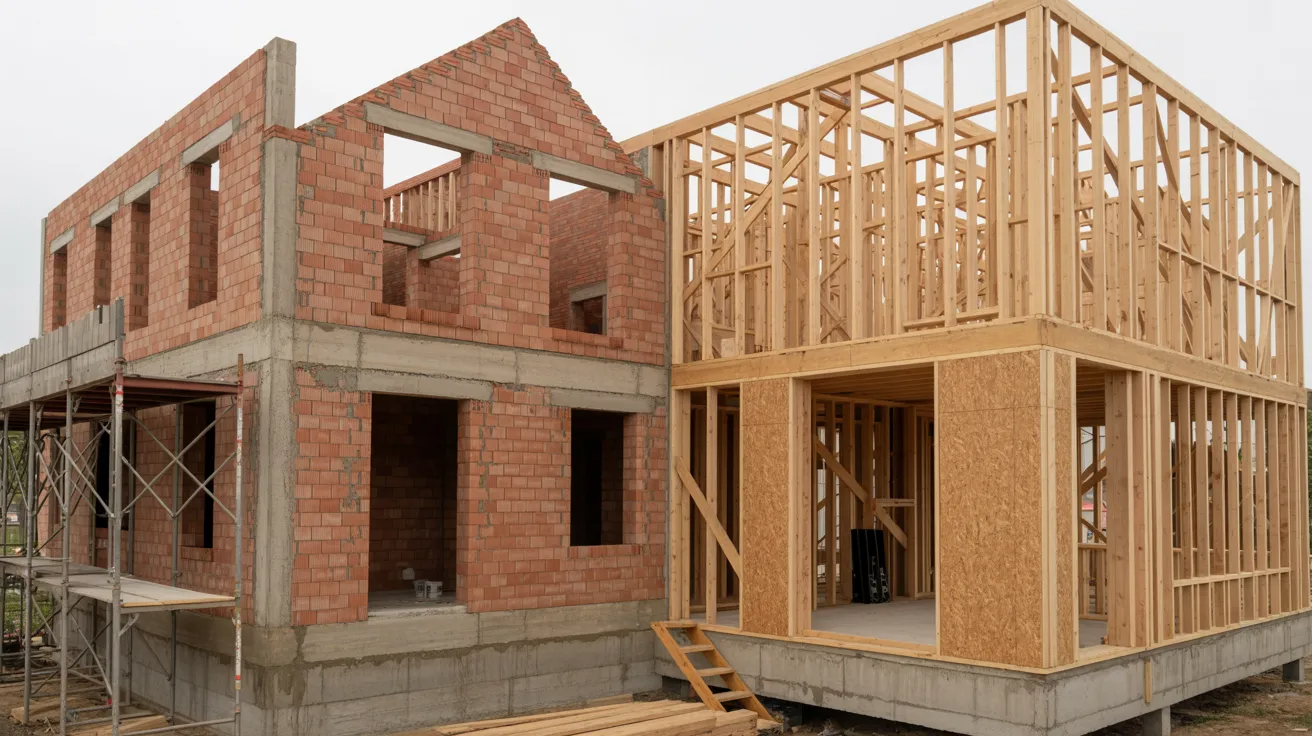
| Feature | Joisted Masonry | Frame Construction |
|---|---|---|
|
Exterior Walls |
Brick, stone, or masonry |
Wood frame with siding |
|
Interior Structure |
Wood joists |
Wood joists |
|
Fire Resistance |
Higher (masonry walls) |
Lower (all wood) |
|
Cost to Build |
Higher |
Lower |
|
Durability |
Higher |
Moderate |
|
ISO Class |
Class 2 |
Class 1 |
|
Common Uses |
Older commercial, apartments |
Residential homes |
Joisted Masonry vs Noncombustible Construction
Joisted masonry looks strong from the outside, but the wood interior makes it far more vulnerable during a fire than noncombustible builds.
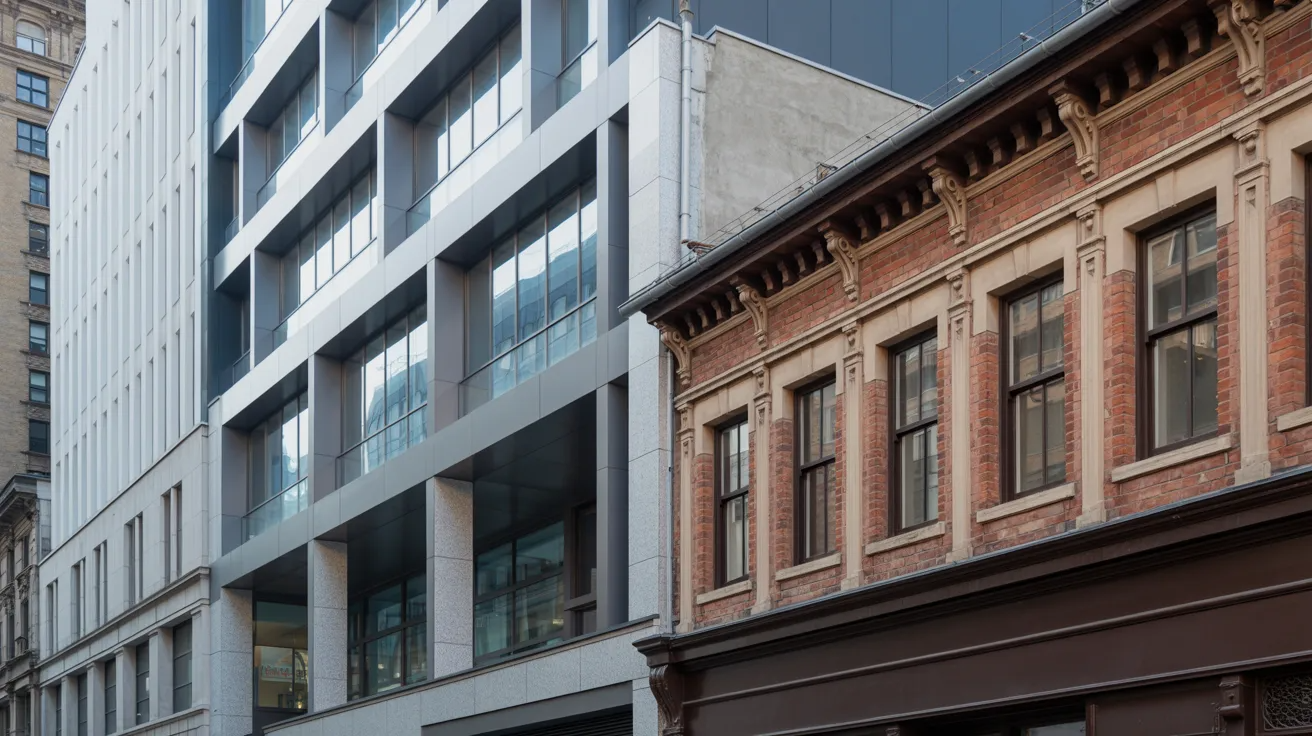
| Feature | Joisted Masonry | Noncombustible Construction |
|---|---|---|
|
Exterior Walls |
Masonry (brick, stone) |
Steel, concrete, or masonry |
|
Interior Structure |
Wood (combustible) |
Steel or concrete (non-combustible) |
|
Fire Risk |
Moderate to high inside |
Lower overall |
|
ISO Class |
Class 2 |
Class 3 |
|
Collapse Risk in Fire |
Higher |
Lower |
|
Common Uses |
Older buildings |
Modern commercial buildings |
Fire Resistance Comparison

Masonry walls slow the spread of flames from outside, but wood joists inside can still cause fast structural failure once a fire takes hold.
| Construction Type | Wall Fire Resistance | Interior Fire Resistance | Overall Fire Risk |
|---|---|---|---|
|
Frame (Class 1) |
Low |
Low |
High |
|
Joisted Masonry (Class 2) |
High |
Low |
Moderate to High |
|
Noncombustible (Class 3) |
High |
High |
Low to Moderate |
|
Masonry Noncombustible (Class 4) |
High |
High |
Low |
|
Modified Fire Resistive (Class 5) |
Very High |
High |
Very Low |
|
Fire Resistive (Class 6) |
Very High |
Very High |
Lowest |
Advantages of Joisted Masonry Construction
Joisted masonry buildings have stayed relevant for a reason. They offer solid, proven benefits that builders relied on for decades.
- Strong and long-lasting exterior: Brick walls don’t rot, warp, or attract insects. A well-built brick wall can last over 100 years with little upkeep.
- Good sound insulation: Thick masonry walls block outside noise well. This makes these buildings comfortable for offices, apartments, and schools.
- Better fire containment at the perimeter: Solid masonry walls slow fire from spreading between buildings. This is a big plus in densely packed urban areas.
- Lower insurance premiums than frame buildings: Masonry exteriors carry less risk than wood frame walls. Insurers reflect this through lower rates under the ISO classification system.
- Historical character: Older brick buildings found in historic districts carry a lasting appeal that modern builds rarely match.
Disadvantages of Joisted Masonry Construction
No construction type is without flaws. Joisted masonry comes with some real concerns.
- High fire risk inside: Wood floors and roofs burn fast. Collapse during a fire is a serious danger for both occupants and firefighters.
- Costly to renovate: Modifying masonry walls takes more labor, time, and specialized tools compared to frame construction.
- Heavy structure: Thick masonry walls put more load on foundations and perform poorly in earthquake-prone areas.
- Moisture problems: Water seeps into old brick and mortar over time, leading to rot and interior damage.
- Difficult to insulate: Brick walls alone don’t meet modern energy standards, and retrofitting insulation is both costly and complex.
Common Uses of Joisted Masonry Buildings

You’ll find joisted masonry buildings across a wide range of settings.
They were especially popular from the mid-1800s through the mid-1900s, which means many older buildings in American cities fall into this category.
Commercial Buildings
Retail stores, small office buildings, and mixed-use buildings are among the most common examples.
Many downtown storefronts in older cities were built using joisted masonry and are still in use today.
Apartment Buildings
Older multi-family buildings in urban areas often use this construction type.
The brick exterior gave these buildings a solid, lasting quality that made them popular for housing working-class and middle-class residents.
Warehouses and Industrial Buildings
Before modern steel and concrete construction became standard, warehouses were often built with masonry walls and heavy wood interior framing.
Many of these old warehouses have since been converted into loft apartments or offices.
Schools and Institutional Buildings
Many older public schools and government buildings used joisted masonry.
The thick walls provided durability and sound control, both of which were important for educational settings.
Churches and Religious Buildings
Many historic churches are joisted masonry structures.
The brick or stone exterior walls gave these buildings a sense of permanence, while the wood interior supported large open spaces and high ceilings.
Conclusion
Joisted masonry construction is something I find genuinely interesting the more I look into it. These buildings carry history in their walls, literally.
If you own or work in one, knowing its strengths and fire risks helps you make smarter decisions. I hope this blog made the topic feel approachable and easy to follow.
If you found it helpful, drop a comment below and share it with someone curious about building construction.
I’d love to hear what you think about joisted masonry or any questions you still have.
Frequently Asked Questions
What does “joisted masonry” mean in simple terms?
It means a building with solid masonry exterior walls and combustible wood floors and roofs inside.
Is joisted masonry the same as brick construction?
Not exactly. All joisted masonry buildings have masonry walls, but brick is just one option since stone and concrete blocks also qualify.
What ISO construction class is joisted masonry?
Joisted masonry falls under ISO Construction Class 2.
Are joisted masonry buildings safe to live or work in?
Yes, but they carry higher interior fire risk than noncombustible buildings because of the wood framing inside.
Why do insurance companies care about construction type?
Construction type directly affects how a building performs in a fire, which helps insurers estimate risk and set premium rates accurately.