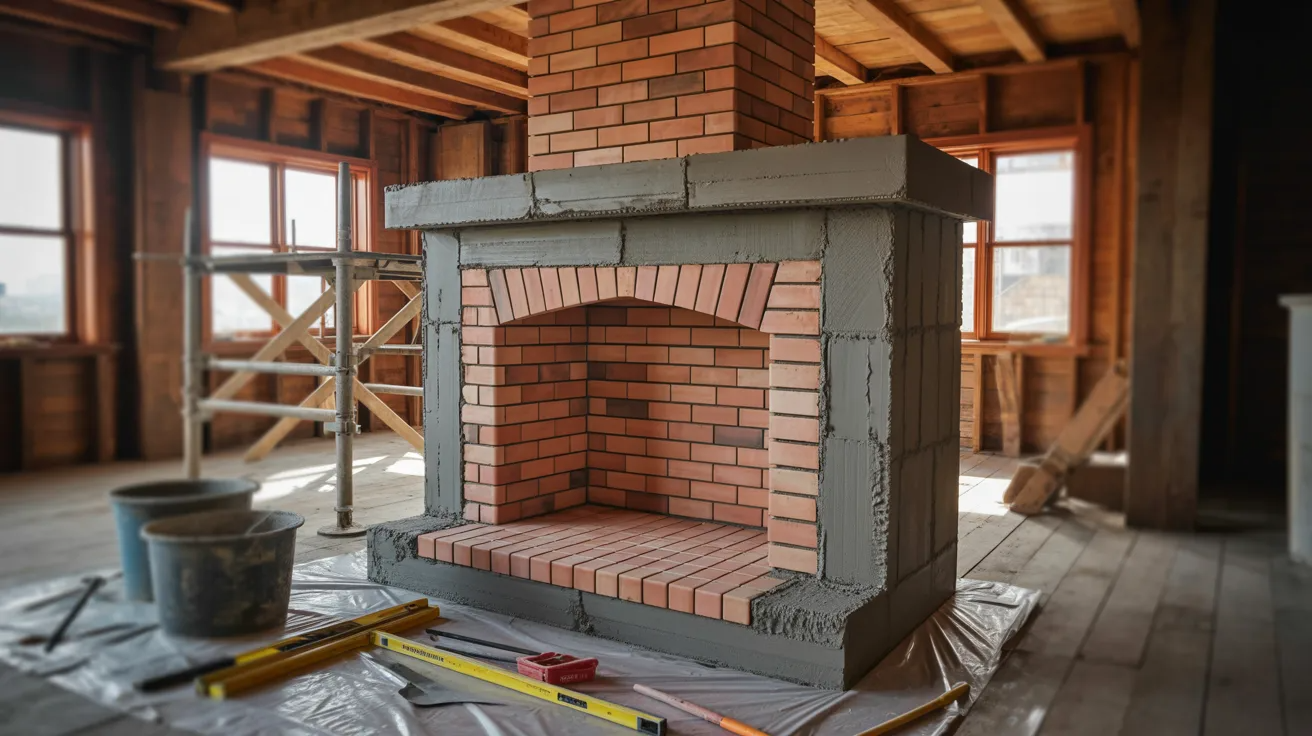
Building a masonry fireplace is not as simple as stacking bricks. It takes planning, the right materials, and a solid understanding of how each part works together.
I have helped people figure out the right steps, and I know how confusing it gets without a clear guide.
In this blog, I will cover everything from the foundation to the chimney. You will learn about firebox construction, mortar ratios, flue options, and the most common mistakes to avoid.
I have put this together based on real construction knowledge so you can build with confidence.
Whether planning a new fireplace or fixing an existing one, this guide gives you a strong starting point.
Masonry Fireplace Basics
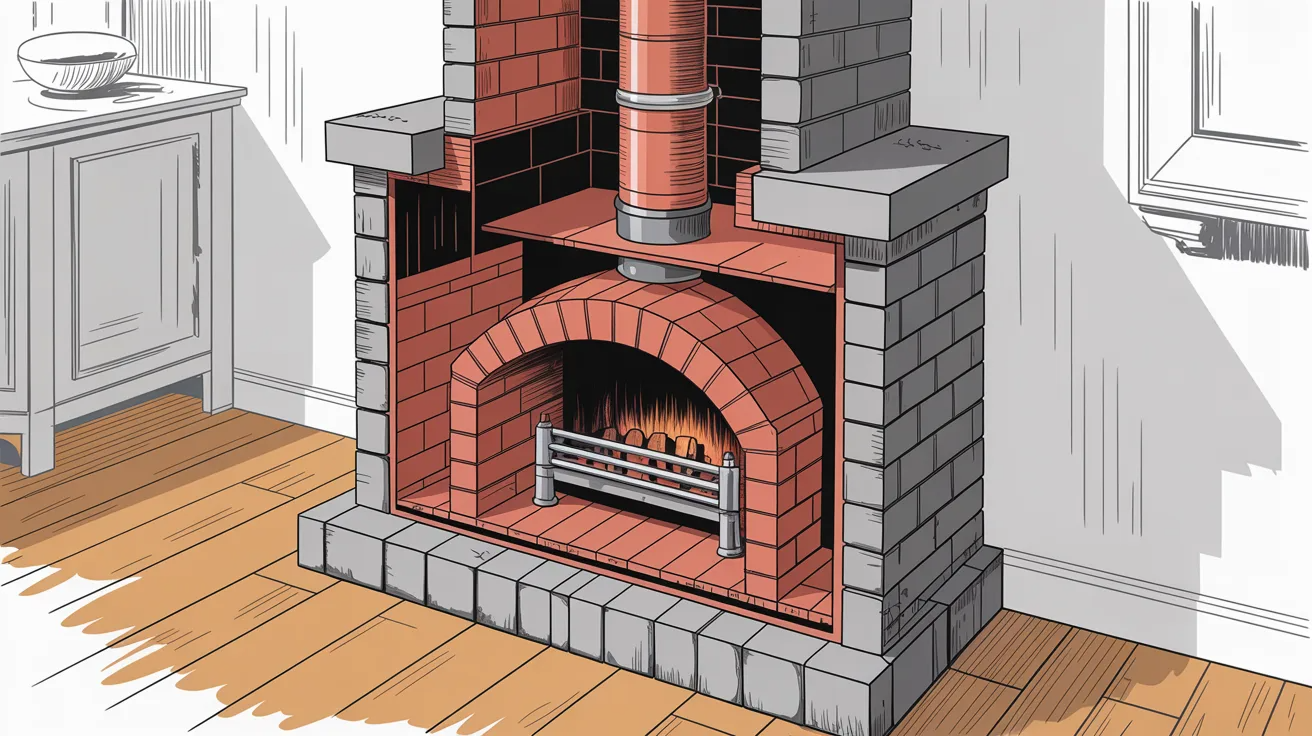
A masonry fireplace is a permanent structure built from brick, stone, or concrete block. Unlike prefab units, it is built on-site and designed to last for decades.
The main parts include the firebox, smoke shelf, smoke chamber, damper, flue, and chimney cap. Each part plays a specific role in how the fireplace draws air and moves smoke out of your home.
The firebox holds the fire. The smoke shelf catches debris falling from the chimney. The damper controls airflow.
The flue carries smoke upward and out. If any of these parts are sized or built incorrectly, the fireplace will not work right. You may deal with smoke backing into the room, poor draft, or even fire hazards.
Understanding how all these parts connect helps you build a fireplace that is safe and functional from day one.
Masonry Fireplace Construction Standards
Masonry fireplaces must meet local building codes and national standards like those from the National Fire Protection Association (NFPA 211). These rules exist to keep your home safe.
Standard requirements cover wall thickness, clearance from combustibles, flue sizing, and mortar type.
For example, firebox walls must be at least 8 inches thick using solid masonry or 4 inches with firebrick lining.
Combustible materials like wood framing must stay at least 2 inches away from the fireplace structure.
Always pull a permit before you start. Inspectors check your work at key stages, which protects you in the long run.
Skipping this step can cause problems when you sell your home or file an insurance claim. Following standards from the start saves you time, money, and stress.
Foundation and Footing Construction
The foundation is the base of your entire fireplace. If it fails, everything above it can crack or shift. Getting this right is non-negotiable.
Reinforced Concrete Footings
Footings must be made from reinforced concrete. Use rebar placed in a grid pattern to add strength. The footing should extend at least 6 inches beyond the fireplace base on all sides.
Load and Depth Requirements
A full masonry fireplace can weigh between 1,000 and 6,000 pounds depending on size. The footing must be thick enough to handle that weight without settling.
In most cases, a minimum of 12 inches thick works for standard residential builds.
Depth depends on your local frost line. In colder regions, footings may need to go 36 to 48 inches below grade to prevent frost heave.
Building the Firebox
The firebox is where the fire burns. It needs to handle extreme heat and reflect it into the room efficiently.
Firebrick Installation Methods
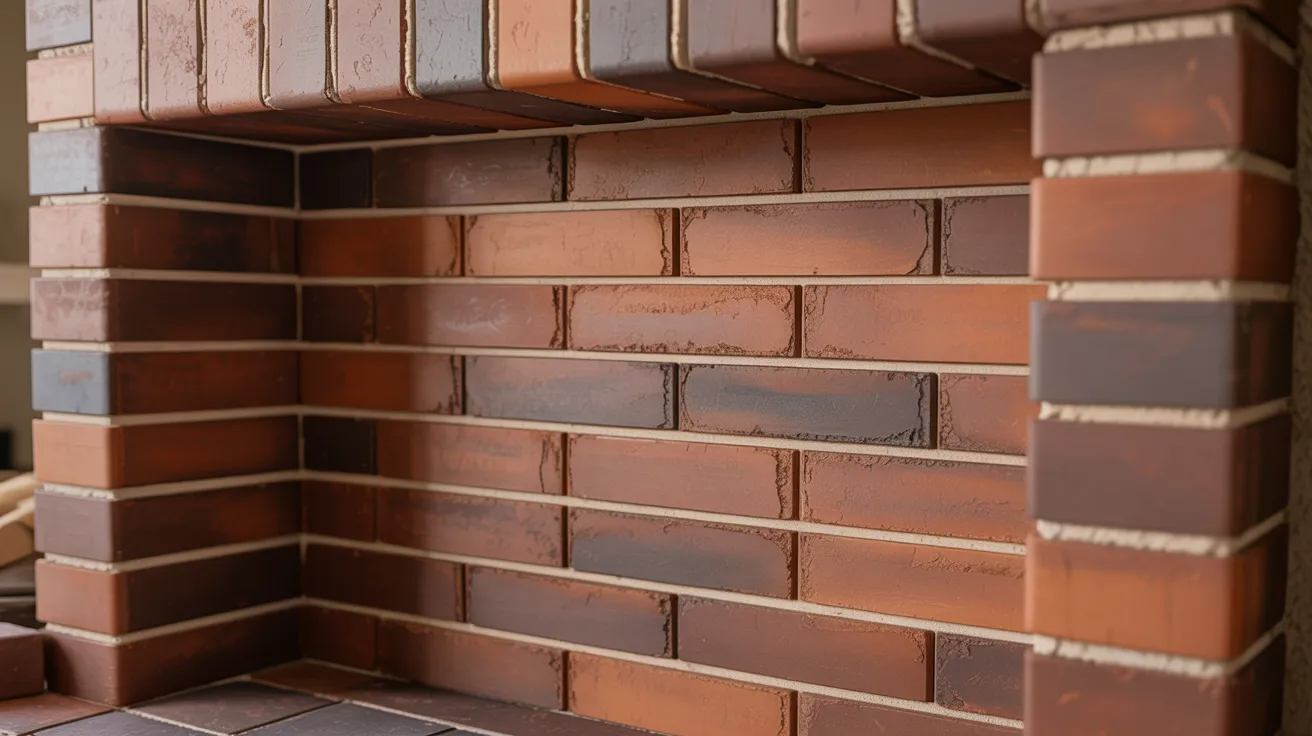
Use firebrick for all surfaces inside the firebox. Firebrick is made to handle temperatures above 2,000 degrees Fahrenheit.
Lay firebrick flat for the floor and soldier-course or flat for the walls depending on your design. Keep joints tight, no wider than 1/4 inch.
Fire Resistant Mortar Mix Ratios

Standard mortar cannot handle the heat inside a firebox. Use refractory mortar, also called fire clay mortar.
A common mix ratio is 1 part portland cement, 1.5 parts fire clay, and 3 parts fine sand. Some builders use pre-mixed refractory cement for convenience.
Either way, apply it thin and let each course set before adding the next.
Smoke Chamber and Chimney Construction
The smoke chamber sits above the firebox and below the flue. It compresses rising smoke and directs it into the flue liner.
Damper and Smoke Shelf Design
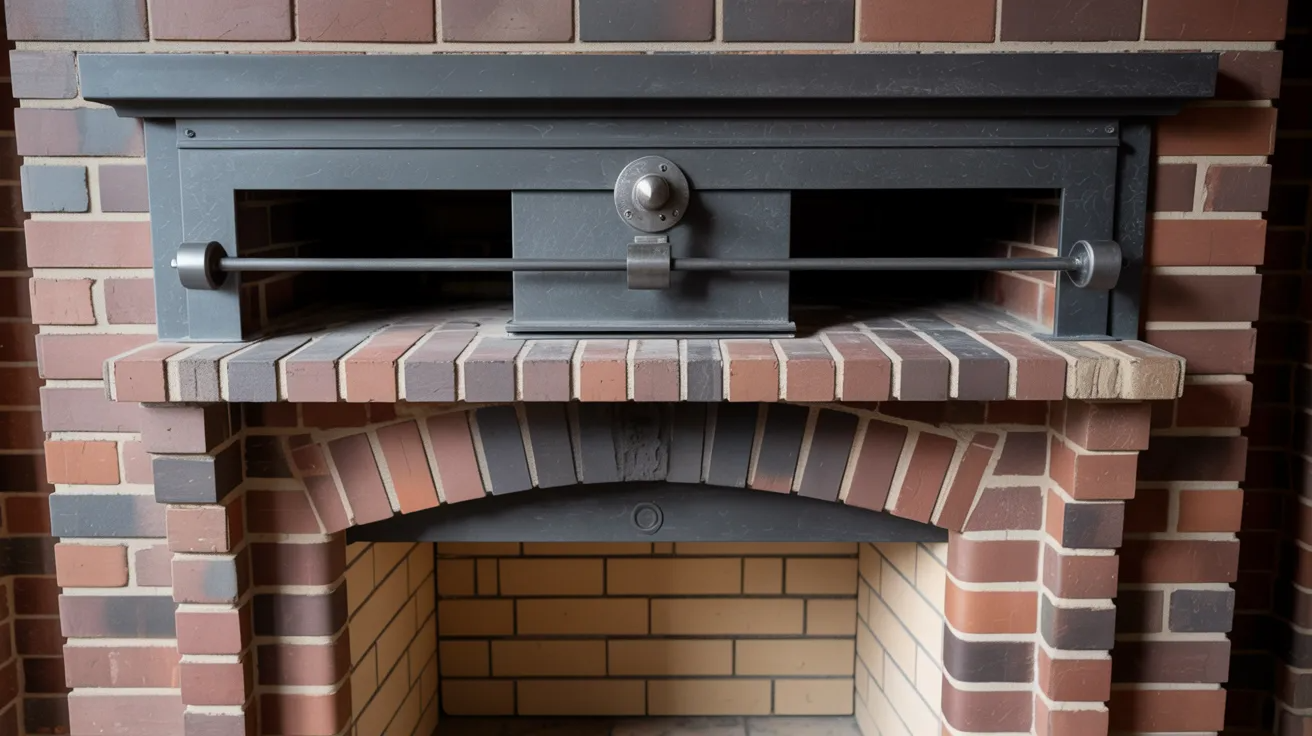
The damper sits at the top of the firebox opening. It opens and closes to control airflow. A correctly placed smoke shelf catches rain, debris, and downdrafts before they reach the firebox.
The shelf should be flat and at the same level as the top of the firebox opening.
Clay Flue and Steel Flue Options
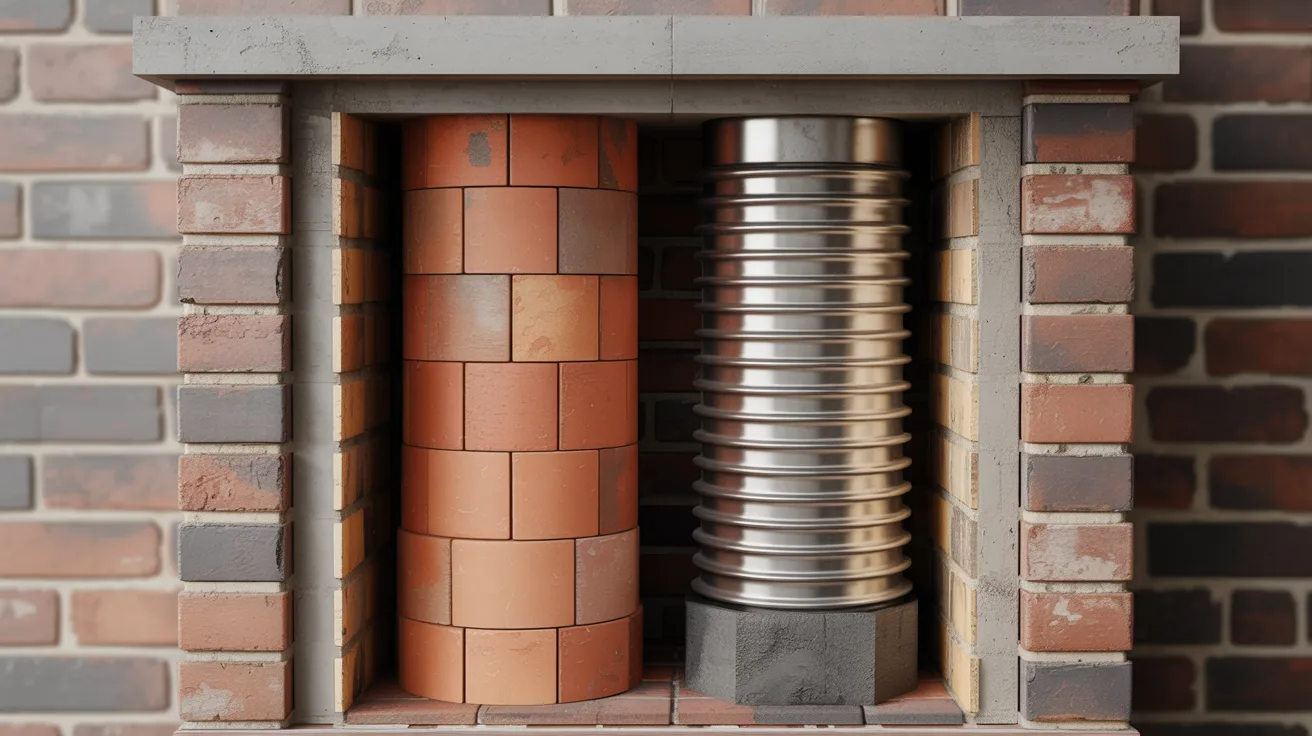
Clay tile flues are the traditional choice. They are durable, affordable, and widely available in standard sizes.
Stack them with refractory mortar and keep joints tight.
Steel flues, specifically stainless steel liners, are a good option for retrofits or when a clay tile does not fit your chimney dimensions. Both options work well when sized correctly for your firebox.
Standard Masonry Fireplace Dimensions
Getting the dimensions right affects how well your fireplace draws and how much heat it produces.
Most standard residential fireplaces have a firebox opening between 24 and 36 inches wide, 24 to 30 inches tall, and 16 to 20 inches deep.
For flue sizing, the flue area should be at least 1/10 of the firebox opening for a round flue, or 1/8 for a square or rectangular one. So an 800 square inch firebox opening needs at least an 80 square inch round flue.
Smaller fireplaces need smaller flues, while larger ones need more airflow and a bigger flue to work properly.
Common Construction Mistakes
Even experienced builders make mistakes on masonry fireplaces. Here are the ones that show up most often.
- Using the wrong mortar is a big one. Standard mortar inside the firebox will crack from heat. Always use refractory mortar in high-heat areas.
- Poor flue sizing is another common issue. If the flue is too small, smoke backs up into the room. If it is too large, the draft is weak.
- Forgetting clearances from combustibles is a serious safety risk. Wood framing too close to the firebox or chimney is a fire hazard.
- Skipping the smoke shelf also causes problems. Without it, downdrafts push smoke and debris directly into the firebox.
- Taking your time with each step and double-checking dimensions before you lay brick saves a lot of rework.
Masonry Fireplace Maintenance
A masonry fireplace needs regular care to stay safe and work well.
Have the chimney inspected and cleaned at least once a year, especially if you use the fireplace often.
Creosote builds up inside the flue and is a leading cause of chimney fires. A certified chimney sweep can remove it safely.
Check the mortar joints every spring. Freeze-thaw cycles crack mortar over time. Repointing damaged joints keeps moisture out and extends the life of your chimney.
Also check the chimney cap. A cracked or missing cap lets in rain, animals, and debris.
Inside the firebox, look for cracks in the firebrick or mortar. Small cracks can be repaired with refractory caulk. Larger damage may need a section of brick to be replaced.
Conclusion
Building a masonry fireplace is one of the most rewarding home projects you can take on. I remember the first time I helped plan one from the footing up.
Seeing it finished and working properly felt like a real accomplishment. It is not just a fireplace. It is something that adds warmth to a home for generations.
Start with a solid plan, follow the standards, and do not cut corners on materials.
If this guide helped you, drop a comment below and share what you are building. I would love to hear about it. Share this post with someone who is planning their own fireplace build.
Frequently Asked Questions
How thick should firebox walls be in a masonry fireplace?
Firebox walls must be at least 8 inches thick with solid masonry or 4 inches with a firebrick lining. This thickness handles the heat and protects the surrounding structure.
What mortar should I use inside a masonry firebox?
Use refractory mortar, not standard mortar. A mix of Portland cement, fire clay, and fine sand handles the extreme heat inside a firebox without cracking.
How deep should masonry fireplace footings be?
Footings should sit below the frost line in your area, which ranges from 12 inches in warmer climates to 48 inches in colder regions. Minimum thickness is 12 inches.
What is the correct firebox-to-flue ratio?
For a rectangular flue, the flue area should be at least 1/8 of the firebox opening area. For a round flue, use 1/10 as the minimum ratio to ensure proper draft.
How often should a masonry fireplace be inspected?
You should have the chimney inspected and cleaned at least once a year. If you use the fireplace heavily, consider two inspections per year to stay ahead of creosote buildup.