I have worked with enough construction projects to know that picking the right building method can make or break your budget.
If you are looking into tilt-up construction, you are in the right place. This guide covers everything you need to know, from how it works to where it falls short.
We will go over the full process, key components, real benefits, common uses, and how it compares to other methods.
By the end, you will have a clear answer on whether tilt-up is the right fit for your project.
No fluff. No confusing terms. Just straight, honest information you can actually use.
What Is Tilt Up Construction?
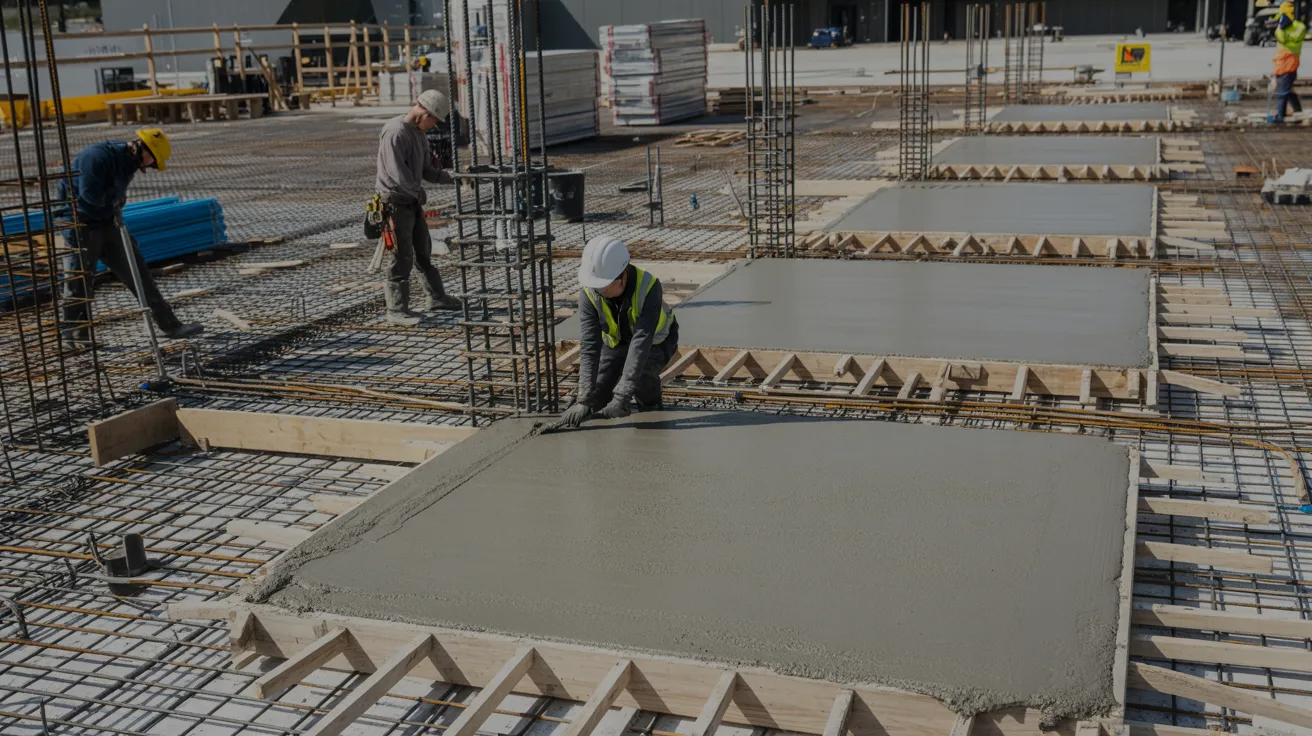
Tilt up construction is a building method where concrete wall panels are cast flat on-site and lifted into place.
Tilt up construction is a process where large concrete panels are poured flat on the ground at the job site. Once the concrete hardens, cranes lift the panels upright to form the building’s walls.
It is different from traditional methods where walls are built piece by piece. Here, full wall sections are made at once, which saves time and keeps costs lower.
This method works best for warehouses, factories, retail stores, and office buildings.
Since everything happens on-site, there is no need to transport panels from a factory, which keeps the process simple and cost-effective.
How Tilt Up Construction Works
Tilt up construction builds concrete walls flat on the ground, then lifts them upright into place.
Preparing the Site and Foundation
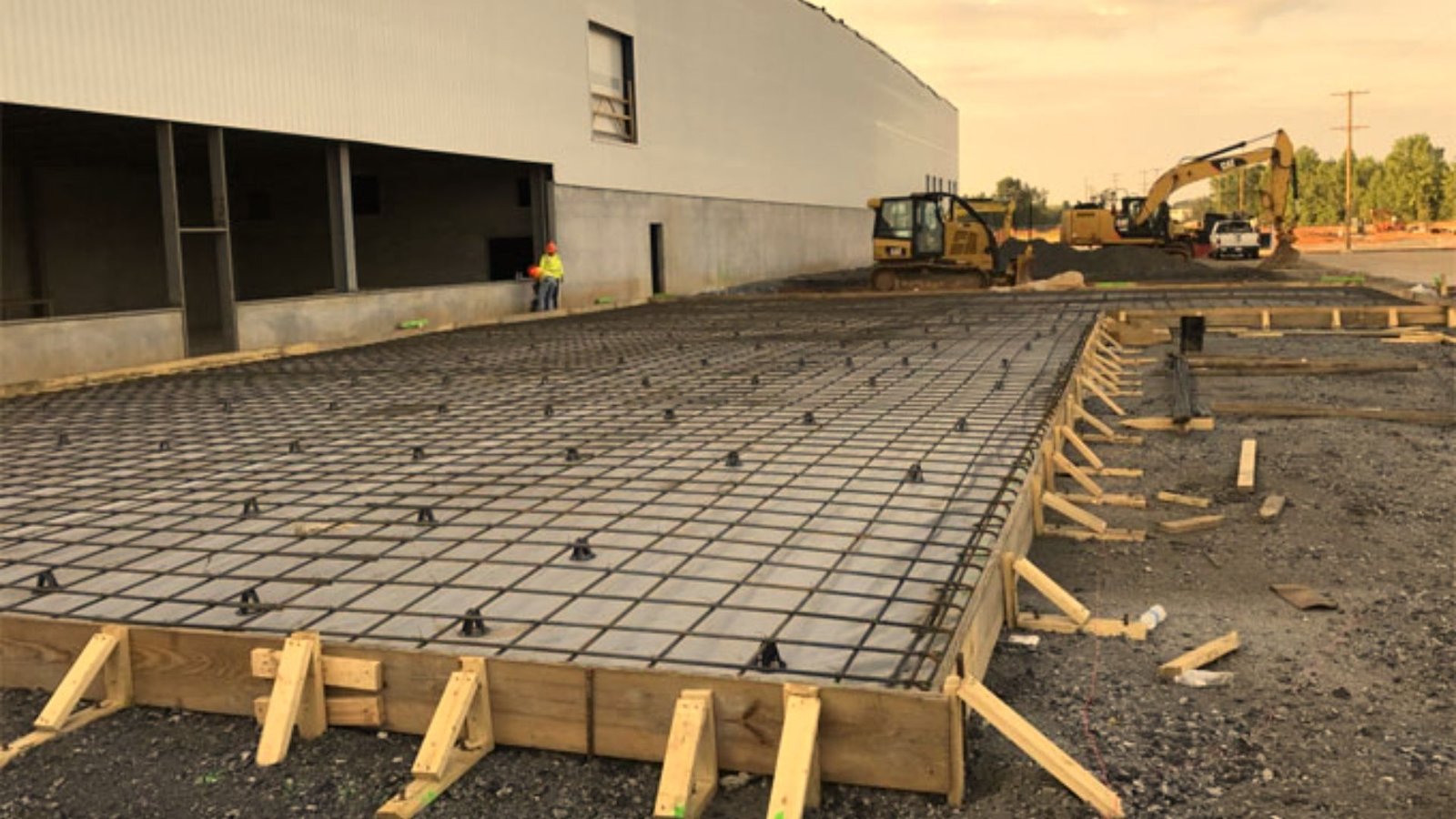
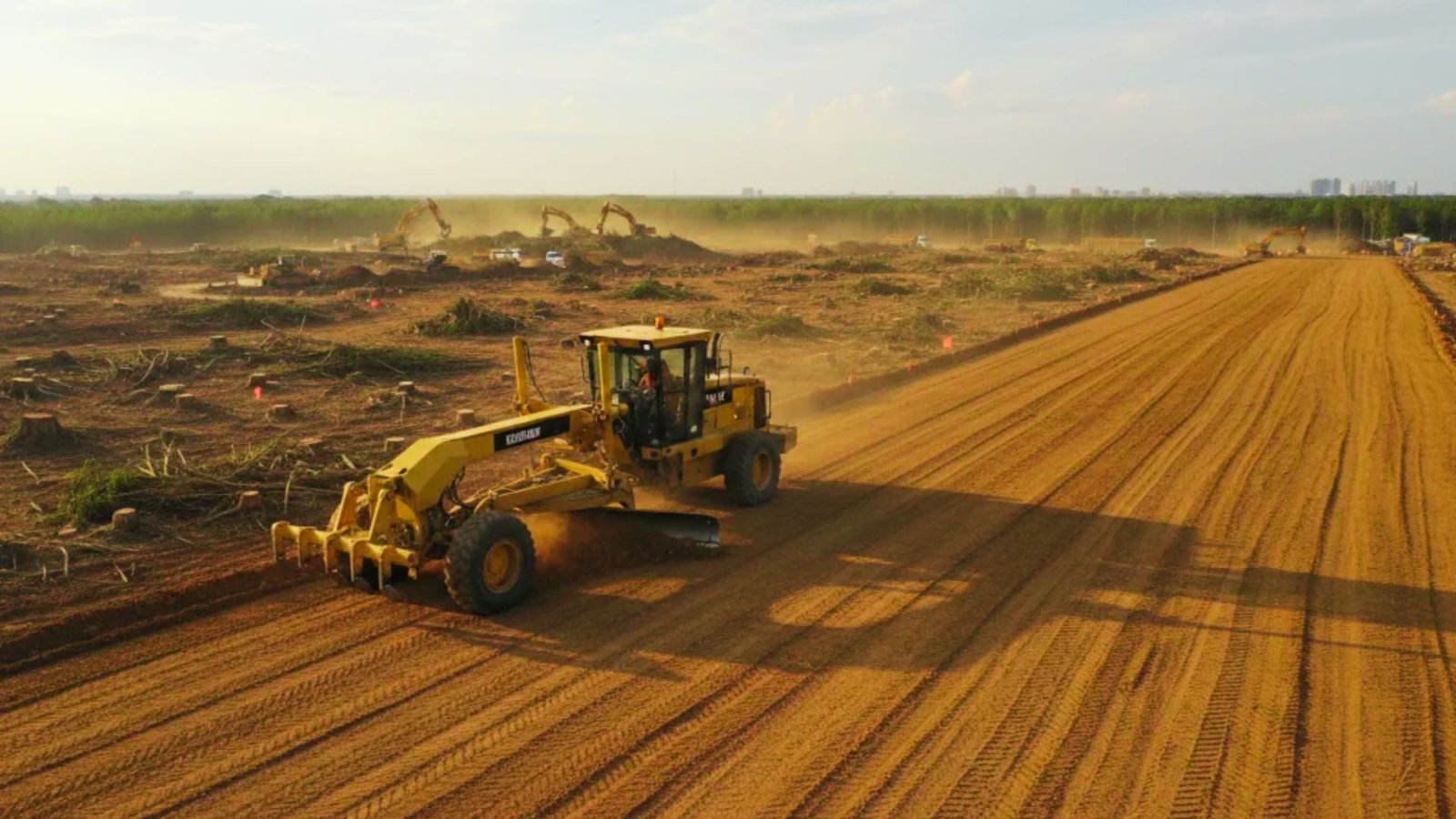
The ground is cleared and leveled before anything else. Workers pour a concrete slab that acts as both the floor and the casting surface for the panels.
A bond breaker is then applied to the slab. This chemical coating stops the panels from sticking to the floor once the concrete cures.
Pouring Concrete Wall Panels
Forms are set up on the slab to shape each panel. Rebar goes inside for strength, then the concrete is poured flat.
Embed plates and anchor bolts are added before the mix sets. These pieces connect everything once the panels go vertical. The concrete cures for several days before the next step begins.
Lifting Panels Into Position
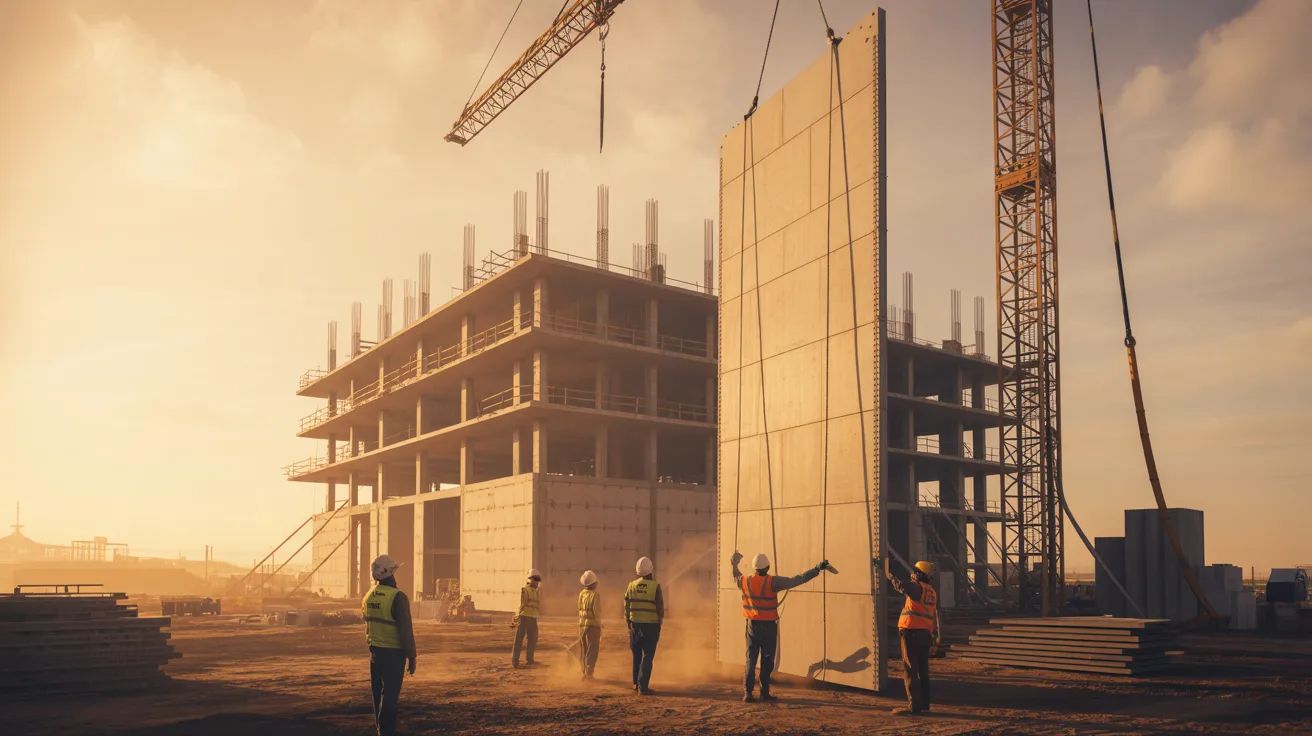
A crane attaches to the embed plates in each panel and slowly tilts it from flat to upright. This tilting motion is where the name comes from.
Workers guide each panel into place while the crane holds the load. One panel can be lifted and positioned in under an hour.
Securing the Structure
Temporary steel braces hold each panel in place right after lifting. Once all panels are up, they are welded and bolted together at the joints.
The roof goes on last. That ties the whole structure together. Once it is in place, the braces come down and the building shell is complete.
Main Components of Tilt Up Construction
Tilt up construction relies on a few core parts that work together to raise strong, lasting concrete walls on-site.
The Concrete Slab

The floor slab is poured first. It acts as the casting surface where all wall panels are formed flat on the ground.
Wall Panels

Workers pour concrete into forms laid on the slab. Steel rebar goes inside for strength. Once the concrete cures, the panels are ready to lift.
Steel Reinforcement
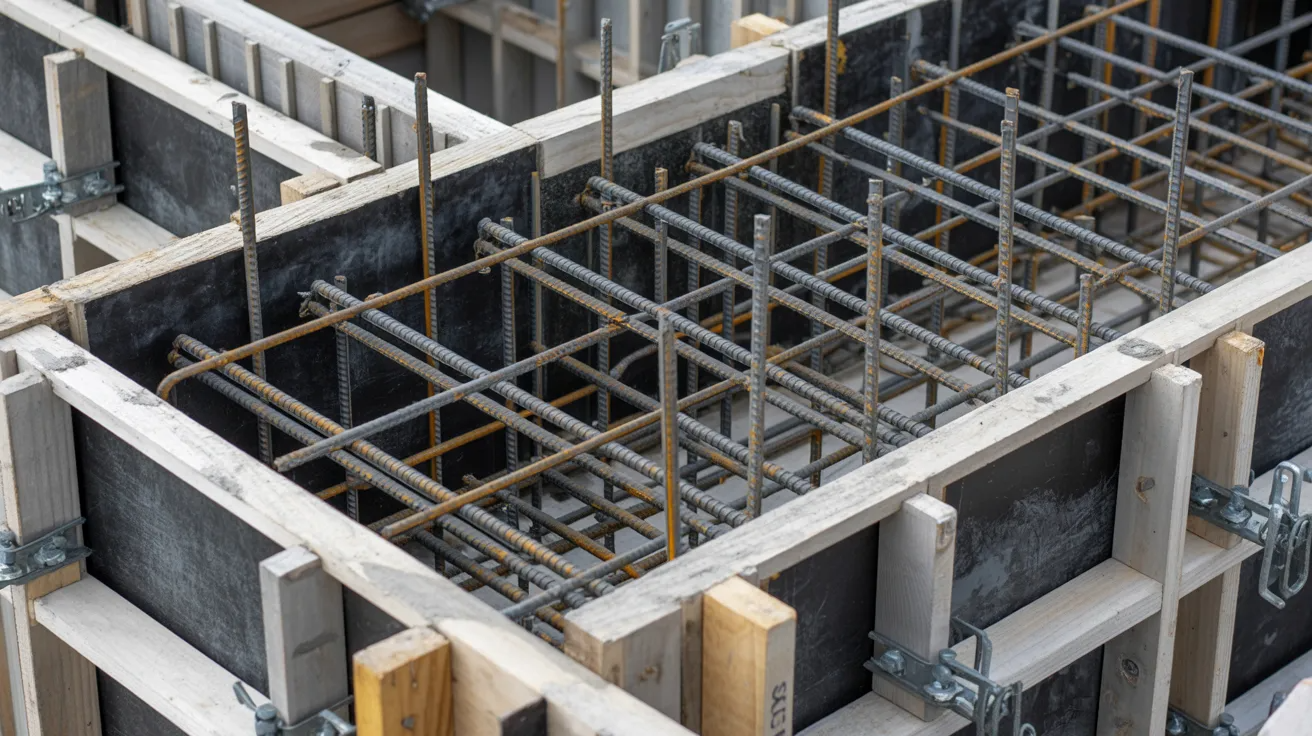
Rebar runs through every panel to prevent cracking. Proper placement keeps panels strong during lifting and after installation.
Lifting Hardware
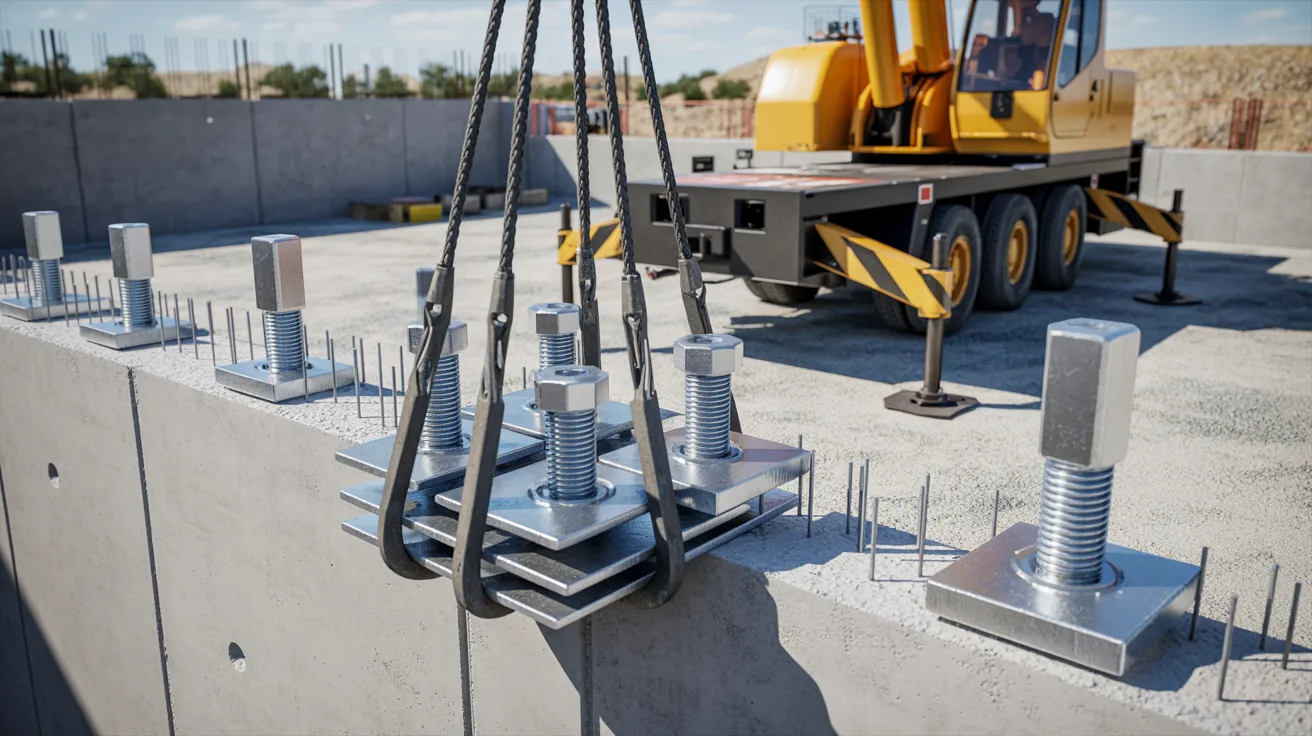
Crane inserts and anchors are cast directly into each panel. The crane hooks onto these anchors to lift the panel upright safely.
Braces and Support
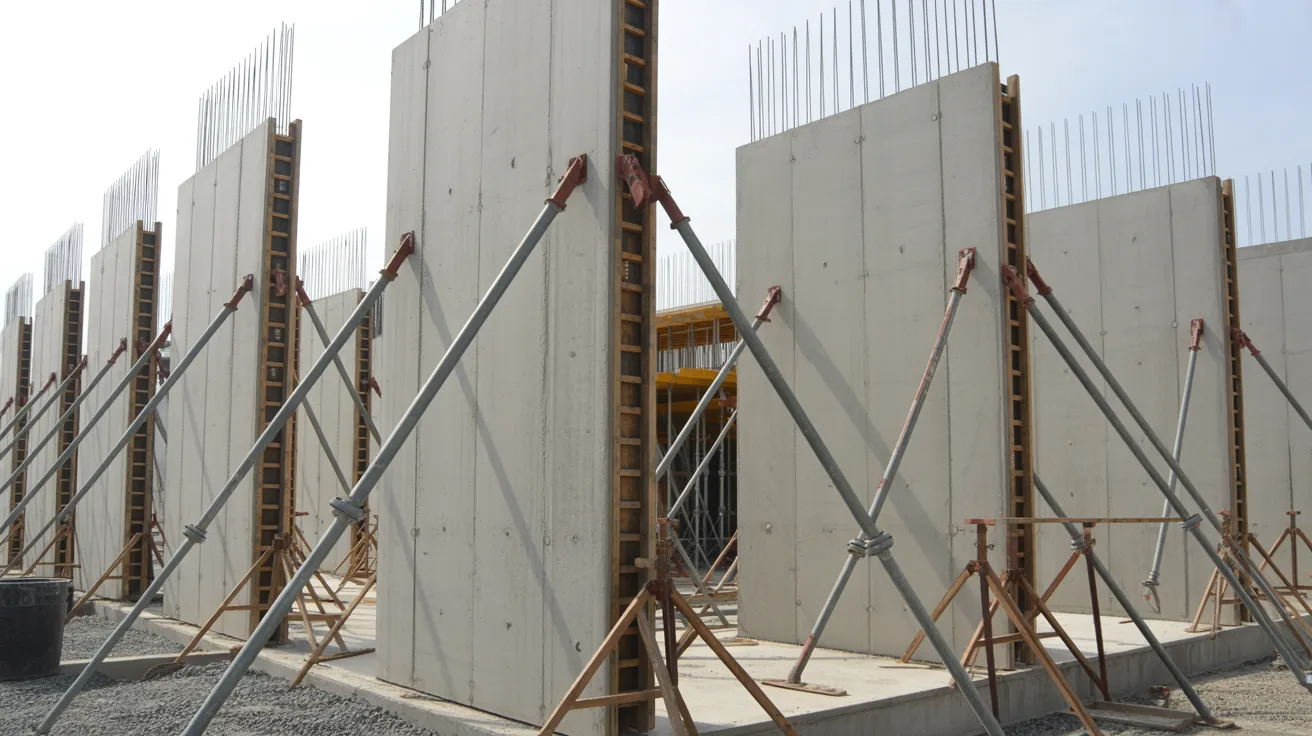
Temporary steel braces hold each panel in place after lifting. They stay up until the roof structure is installed and locks everything together.
Benefits of Tilt Up Construction
Tilt up construction offers speed, savings, and design freedom that few other building methods can match.
Faster Construction Speed
Workers pour concrete panels on-site, let them cure, then crane them into place. Walls go up in days, not weeks. That means shorter project timelines and lower labor costs overall.
Energy Efficiency
Thick concrete panels hold temperature naturally. They absorb heat during the day and release it slowly at night. Your HVAC works less, and your energy bills stay lower month after month.
Lower Long-Term Maintenance Costs
Concrete does not rot, warp, or attract pests. Tilt up walls hold up against harsh weather and heavy daily use. You spend less on repairs and more time focused on running your business.
Flexible Design Options
Concrete does not have to look plain. You can add textures, patterns, color, and window cutouts to the panels. Inside, the open floor plan gives you full control over your layout as your needs grow.
Common Applications of Tilt-Up Buildings
Tilt-up buildings are used across many industries because they are fast to build, cost-effective, and very strong.
Warehouses and Distribution Centers
Most large warehouses are tilt-up buildings. The wide open floor plans work well for forklifts and heavy equipment. Tall ceiling heights let you stack goods higher and use vertical space well.
The thick concrete walls also help keep indoor temperatures stable. That is useful for storing products that are heat or cold sensitive. And since tilt-up builds faster than most methods, companies can open new distribution hubs much sooner.
Retail and Commercial Buildings
You will find tilt-up construction in strip malls, big-box stores, office buildings, and clinics. The panels can be finished in different textures and colors, so the look does not have to feel industrial.
Open floor plans give retail spaces room to change layouts over time. The cost per square foot is also lower than steel or masonry, which makes it a smart pick for commercial developers.
Manufacturing Facilities
Factories are a natural fit for tilt-up buildings. The solid concrete walls handle heavy machinery, vibrations, and daily industrial wear without breaking down.
Large door openings for loading docks and oversized equipment can be planned from the start. And since the build is faster, manufacturers can get production running sooner.
Tilt Up Construction vs Other Building Methods

Picking the right building method can save you time and money. Here is a quick comparison to help you see how tilt-up stacks up.
| Factor | Tilt-Up | Steel Frame | Wood Frame | Masonry |
|---|---|---|---|---|
|
Speed |
Fast |
Moderate |
Moderate |
Slow |
|
Cost |
Cost-effective |
High |
Low to moderate |
High labor cost |
|
Durability |
Very strong |
Strong |
Less durable |
Very durable |
|
Design Flexibility |
Good |
High |
Moderate |
Limited |
|
Maintenance |
Low |
Moderate |
High |
Low to moderate |
|
Best For |
Warehouses, retail, factories |
High-rise buildings |
Homes, small buildings |
Schools, government buildings |
Tilt-up wins on speed, durability, and value for large commercial builds. Other methods work better for smaller or specialized projects.
Challenges and Limitations of Tilt Up Construction
Tilt-up construction comes with real trade-offs that can affect your budget, site, and design options.
Space and Equipment Needs
You need a large, flat area to pour and cast the panels on-site. On top of that, heavy cranes are required to lift them into place. Smaller or tight sites make this method very difficult to pull off.
Weather Delays
Cold weather slows down concrete curing. If you are building in a colder region, you may face project delays until conditions improve.
Limited Design Options
Tilt-up works best for simple, large layouts. Complex curves or multi-story designs with detailed features are hard to pull off with this method.
Higher Upfront Costs
The early costs are heavy. Slab work, casting setup, and crane rentals all add up before the walls even go up. For smaller projects, this can be a dealbreaker.
Conclusion
Tilt up construction is not perfect, but honestly, no building method is. What I find interesting is how much ground it covers for large commercial projects.
The speed alone makes it hard to ignore. Yes, the upfront costs and site requirements are real concerns.
But for the right project, the payoff is worth it. If you are planning a commercial build, this method is worth a serious look.
Drop a comment below with your thoughts, or share this post with someone in construction.
Frequently Asked Questions
What is tilt up construction used for?
It is mostly used for warehouses, factories, retail stores, and large commercial buildings.
How long does tilt up construction take?
Wall panels can go up in just a few days once the concrete has fully cured.
Is tilt up construction expensive?
The upfront costs are high, but the long-term savings on maintenance and labor make it cost-effective.
Can tilt up buildings handle bad weather?
Yes, thick concrete walls hold up well against harsh weather, heavy wind, and daily wear.
Is tilt up construction good for small projects?
No, it works best for large-footprint buildings where the setup and equipment costs make more sense.