Buying a new home is a big deal. And if you are looking at new construction, you probably have a lot of questions.
I have helped many people work through this process, and I know how confusing it can get. This guide breaks it all down for you.
We will cover what new construction actually means, the key features you should know, the different types of homes available, and the real pros and cons.
I will also walk you through what to check before you buy so you do not get caught off guard.
By the end, you will know exactly what to expect.
What Is New Construction in Real Estate?
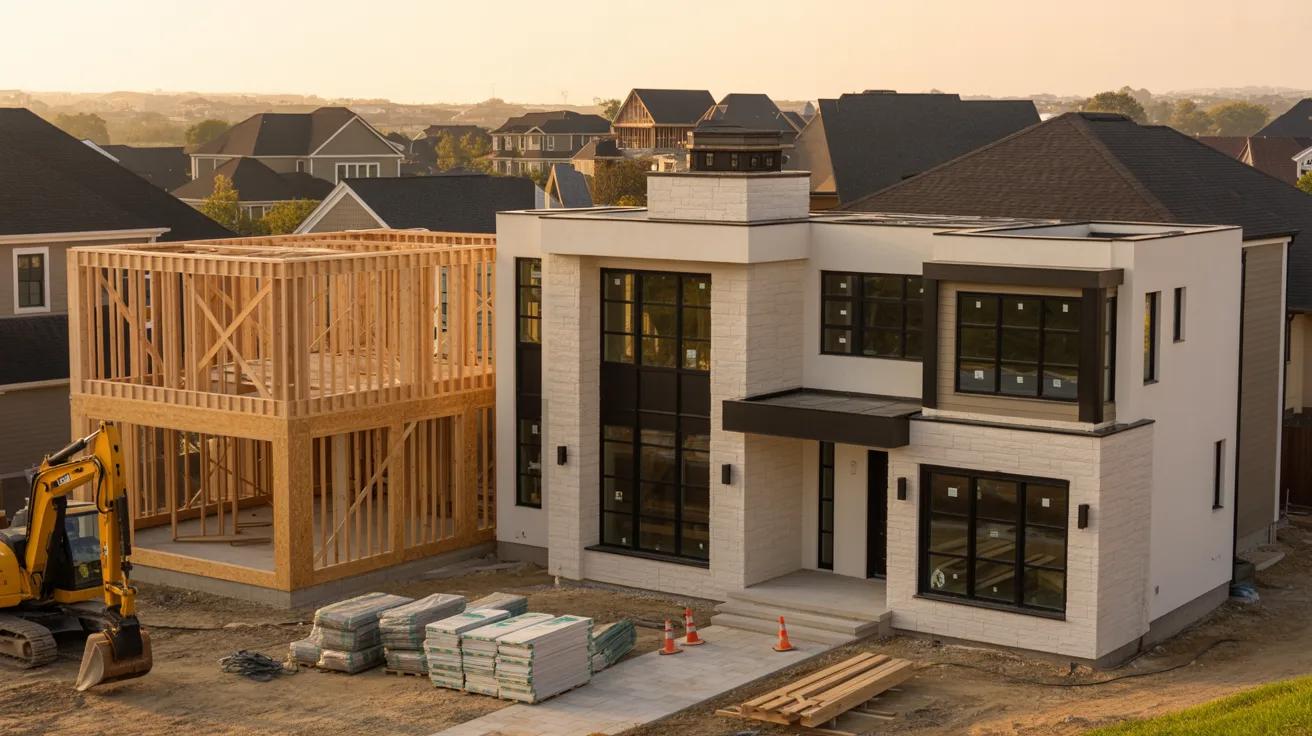
New construction in real estate means buying a home that has never been lived in before.
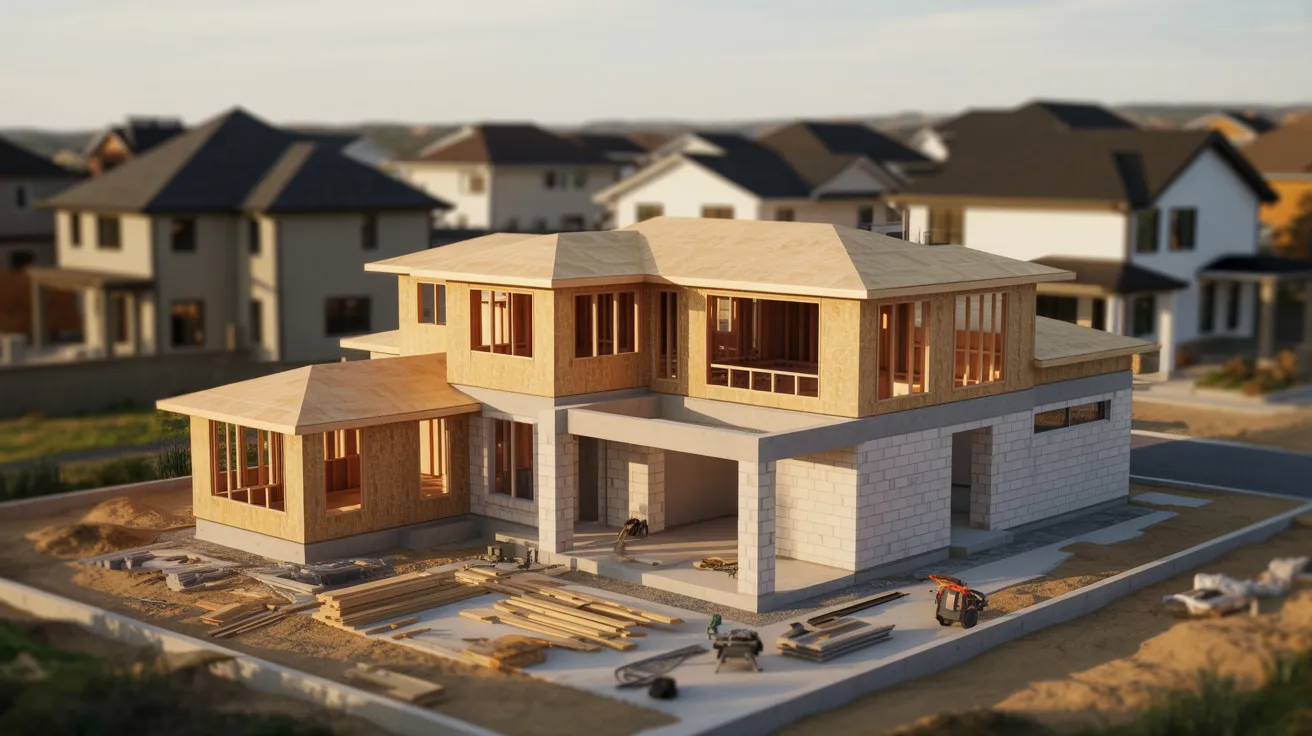
New construction in real estate refers to properties built from the ground up. These are brand-new homes, condos, or townhouses that no buyer has ever lived in.
There are a few ways this works. Some builders let you buy before the home is even built. You pick your lot, choose a floor plan, and wait for it to finish. Others sell homes that are already complete and ready to move in.
The key difference from a resale home is condition. Everything inside is fresh, from the plumbing and electrical to the flooring and appliances.
Builders also offer warranties on new construction homes. This covers structural defects or system failures for a set number of years, giving you added peace of mind.
Key Features of New Construction Homes
New construction homes come packed with modern features that make daily living more comfortable and stress-free.
Brand-New Materials and Systems
Everything in a new construction home is fresh. New plumbing, new wiring, new roofing, and new appliances. Nothing has been patched or passed down from a previous owner.
You are not inheriting someone else’s maintenance backlog. That means fewer surprise repair bills in the first few years.
Modern Layouts and Energy Efficiency
New construction homes are built for how people live today. Open floor plans are standard, with wide kitchens that flow into living spaces.
Builders also focus on energy efficiency. Better windows, smarter insulation, and tighter construction cut down on heat loss. Your monthly utility bills reflect that.
Customization and Design Options
Many builders let you pick your flooring, cabinet finishes, countertops, paint colors, and fixtures before the walls go up. You are not stuck with someone else’s taste.
Some builders even offer structural upgrades like adding a bedroom or extending the garage. That kind of flexibility is hard to find in a resale home.
Types of New Construction Homes
New construction homes come in three main types, each with different costs, timelines, and levels of customization.
Custom Homes
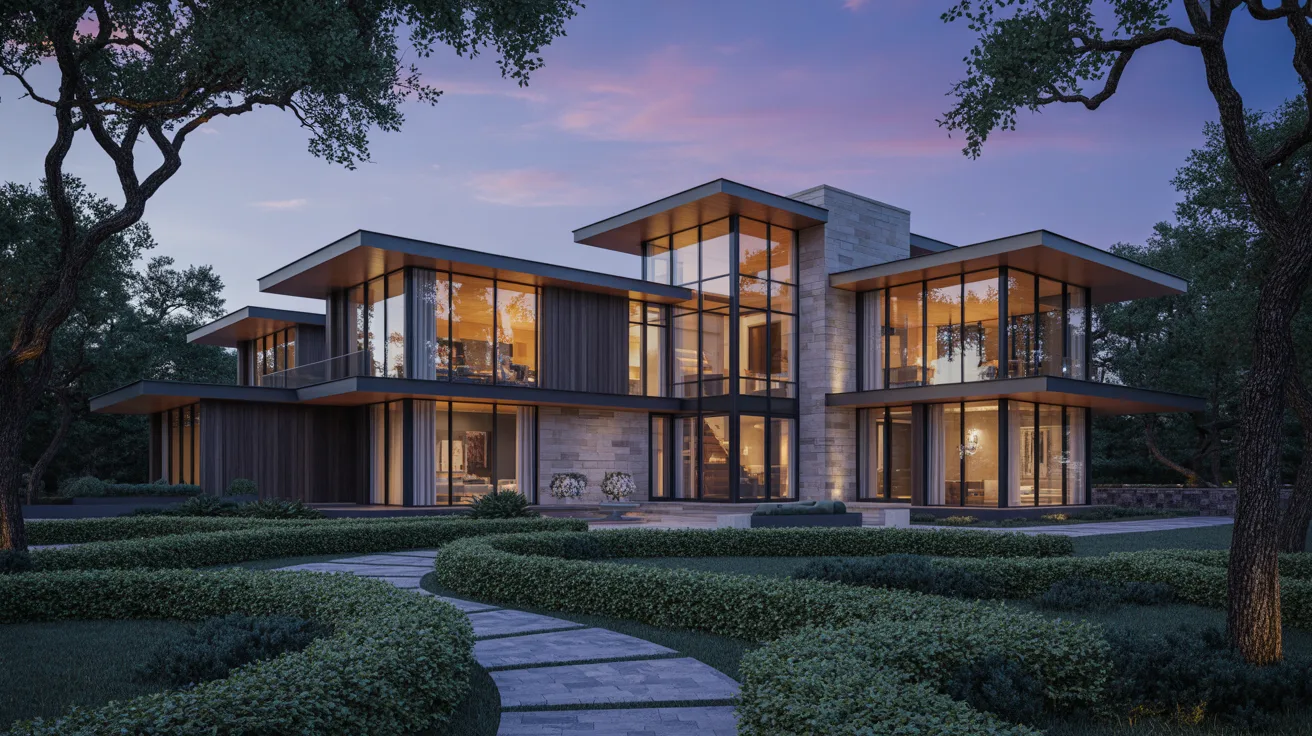
A custom home is built from scratch based on your exact plans. You choose the lot, layout, materials, and finishes.
It takes longer to build and costs more, but you get full control over every detail.
Production Homes
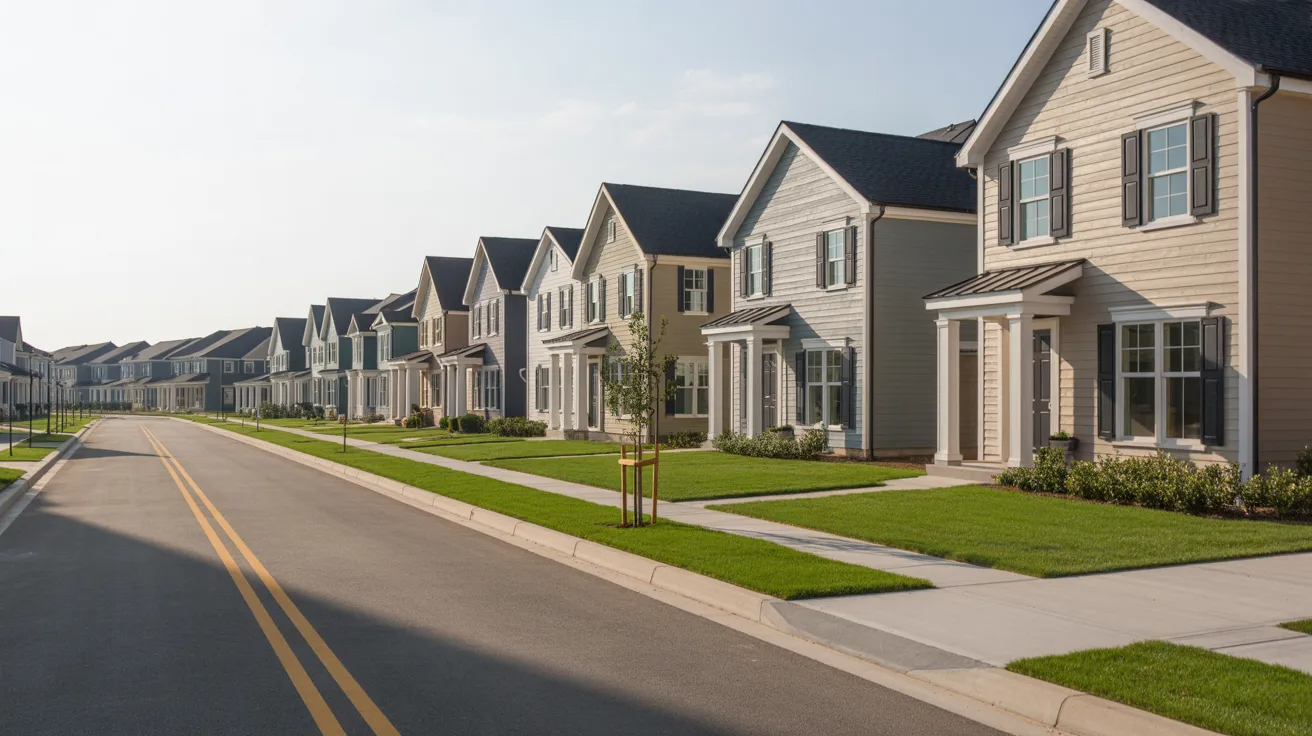
Production homes are built by large developers in planned communities. You pick from a set of pre-made floor plans, with limited options to personalize finishes.
These homes are faster to build and easier on the budget.
Modular Homes
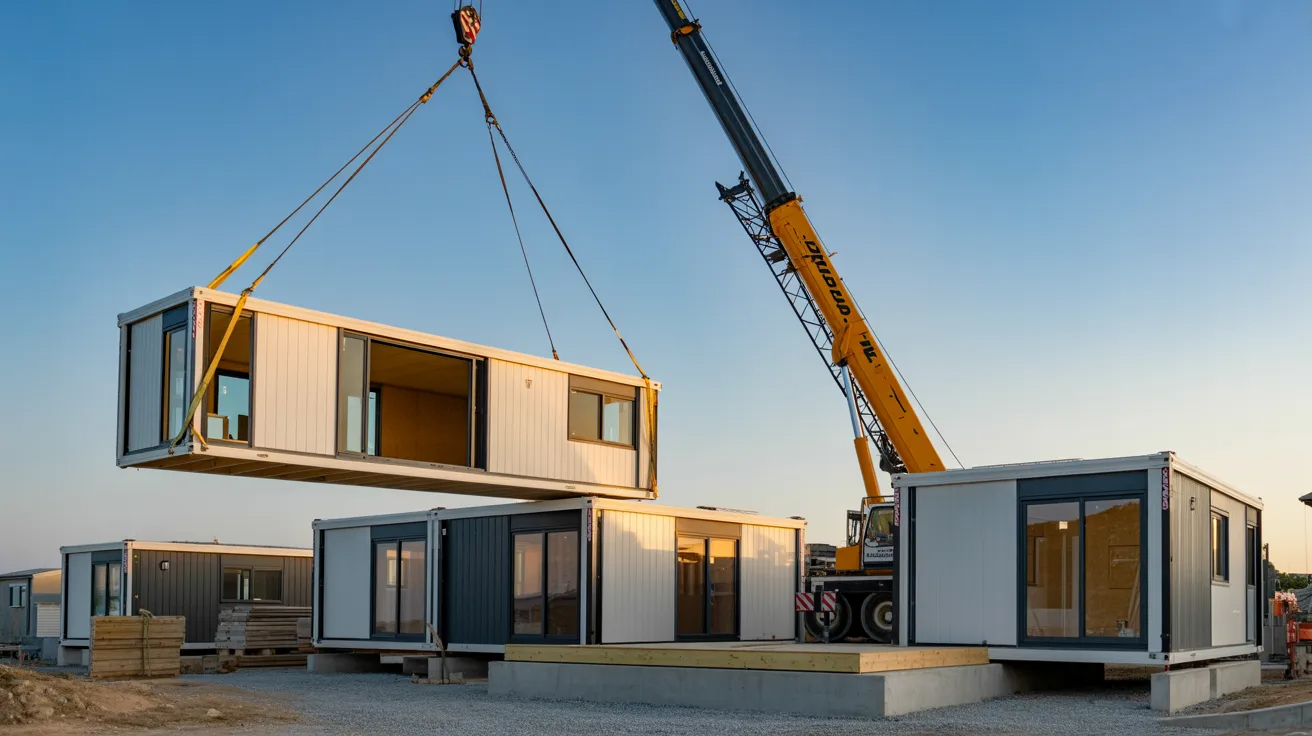
Modular homes are built in sections inside a factory, then assembled on your lot.
The indoor build process is faster and less affected by weather. They follow the same building codes as site-built homes and hold their value well.
Pros and Cons of New Construction
Buying a brand-new home sounds exciting, but it comes with real trade-offs you should know before signing anything.
| Pros | Cons |
|---|---|
|
Everything Is Brand New : The roof, plumbing, HVAC, and appliances are all fresh. Fewer repair bills in the early years and no hidden damage to worry about. |
The Price Tag Is Higher : New construction homes cost more per square foot than resale homes. Upgrades add up fast and the base price can climb quickly. |
|
Builder Warranties Have You Covered: Most new homes come with a builder warranty covering structural issues, systems, and workmanship. You are not paying out of pocket for early problems. |
Build Timelines Can Drag : Supply chain issues, weather, and labor shortages can push your move-in date back by weeks or months. This unpredictability can be very stressful. |
|
You Get to Pick the Finishes : Many builders let you choose flooring, cabinets, countertops, and paint colors. You get a home that feels like yours from day one. |
The Neighborhood Is Still Being Built : You may move in before the community is finished. Construction noise, muddy lots, and workers coming and going can last for months. |
|
Better Energy Efficiency : New homes follow current energy codes with better insulation, tighter windows, and modern HVAC systems. Monthly utility bills tend to run lower. |
Lot Sizes Are Often Smaller : Newer developments pack homes closer together. If you want a big yard or space between neighbors, new construction may not deliver that. |
|
No Bidding Wars : You buy directly from the builder with no competing offers. The process is more straightforward than fighting over a resale home in a hot market. |
Upgrade Costs Catch Buyers Off Guard : Builders show upgraded model homes but sell the base version. Every step up costs extra and it is easy to overspend without realizing it. |
Things to Consider Before Buying
Buying a new construction home takes more than liking the floor plan. These key factors help you make a smart, confident decision.
Budget and Financing
Know your numbers before you fall in love with a home. New construction often comes with extra costs like HOA fees, upgrades, and landscaping that are not in the base price. Get pre-approved early and always compare mortgage rates on your own.
Builder Reputation and Warranties
Do your research before signing anything. Read reviews, visit completed communities, and ask about warranties. A good builder stands behind their work and offers clear coverage for both workmanship and structural issues.
Location
Think about your daily commute, nearby schools, and access to stores. Also check if property values in the area are growing. A great home in the wrong spot can make everyday life harder than it should be.
Community Amenities
Pools, parks, and walking trails sound great, but they come with HOA fees. Find out what those fees cover and what rules apply. Knowing this upfront saves you from surprises down the road.
Conclusion
New construction homes are not perfect, but they come pretty close when you know what to look for. I think the biggest mistake buyers make is rushing the process.
Take your time, ask hard questions, and do not let a model home’s fancy finishes distract you from the real details.
If you are thinking about buying a new construction home, I hope this guide helped you feel more prepared.
Drop a comment below and let me know what questions you still have. Share this with someone who needs it too.
Frequently Asked Questions
What is new construction in real estate?
New construction means buying a brand-new home that no one has ever lived in before.
Are new construction homes more expensive than resale homes?
Yes, they typically cost more per square foot, and upgrades can add up quickly.
Can I negotiate the price with a builder?
Yes, builders may offer incentives like free upgrades or closing cost help, especially on unsold inventory.
How long does it take to build a new construction home?
It depends on the type, but most homes take anywhere from six months to over a year to complete.
Do new construction homes come with a warranty?
Yes, most builders offer warranties covering workmanship, systems, and structural defects for a set number of years.